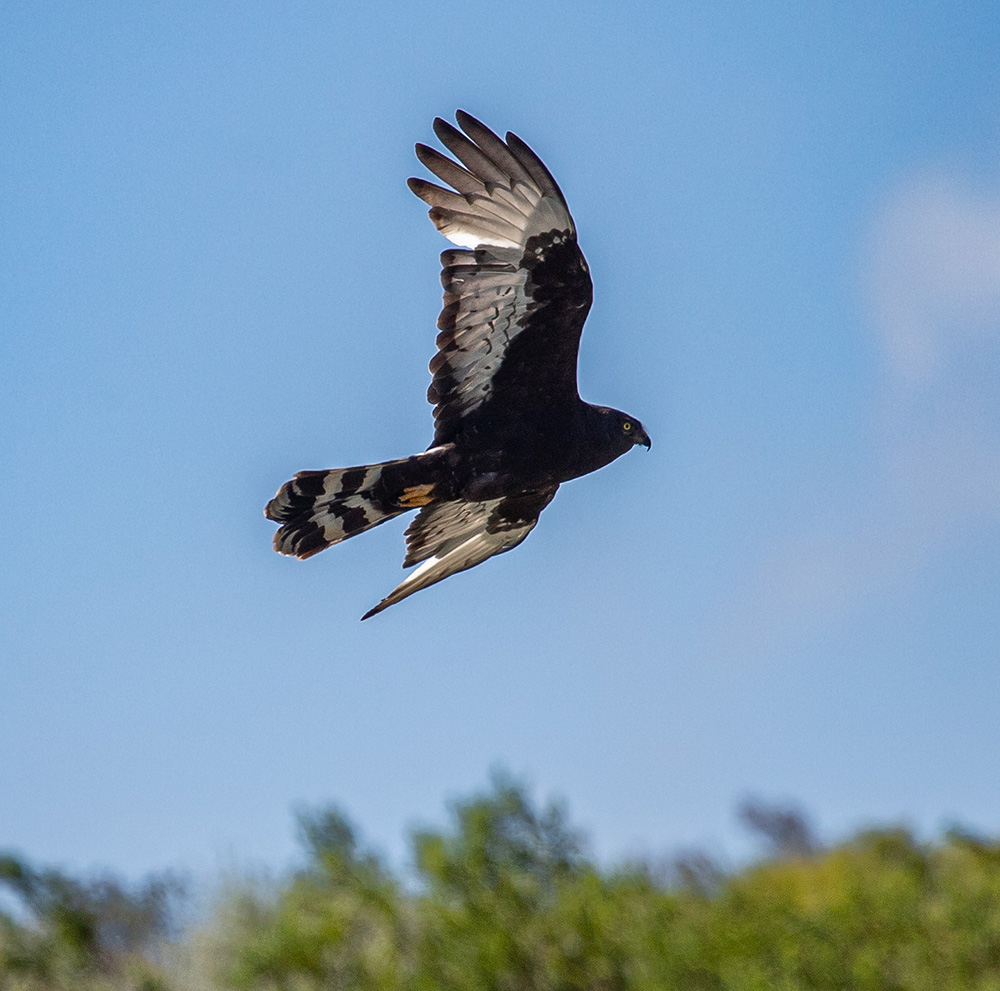
This year has been exceptional for Black Harriers in the Overberg – with a big influx of observed birds thanks to the extraordinarily high rainfall experienced in the region, which has led to large numbers of prey species.
Increased numbers of birds in the Overberg means there is now a crucial opportunity to gather more data on these birds, which are moving ever closer to extinction.
That’s why the Overberg Renosterveld Trust is urgently calling for renewed help for satellite tags and to undertake additional surveys via a new campaign.
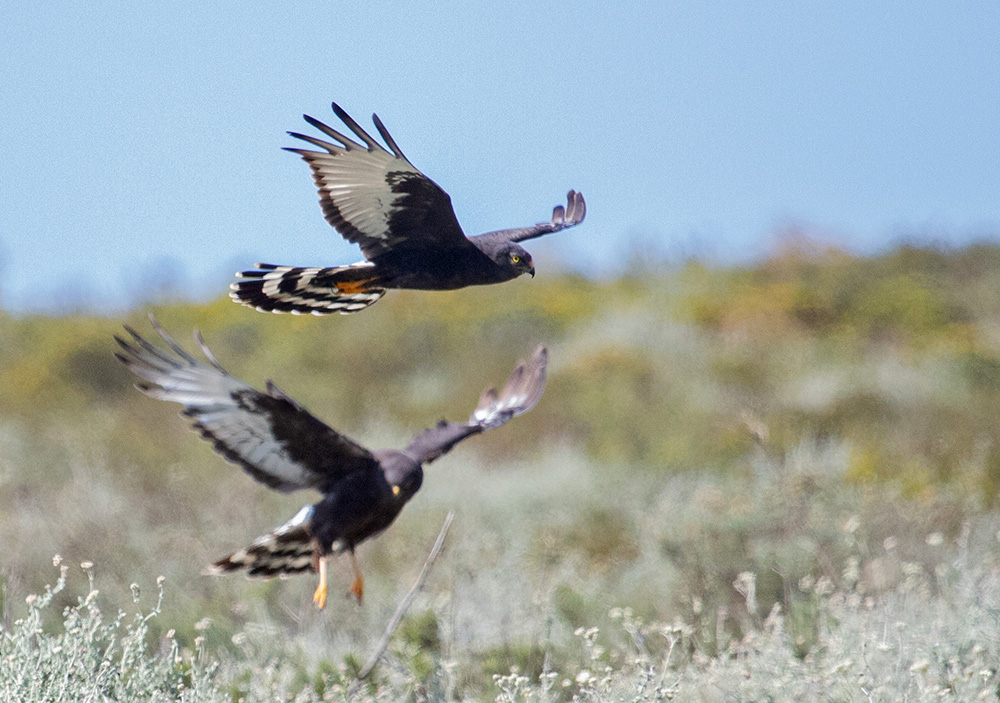
There are only around 1,300 Black Harriers left on Earth. And given the threats they face, including habitat loss, climate change and wind turbines, modelling suggests they could be extinct in 50 to 75 years’ time.
To address these threats, the Overberg Renosterveld Trust, working with partners, launched the Black Harrier Project. We’ve placed satellite tags on 15 Black Harriers in the Overberg while also contributing to the tagging of an additional five birds outside the Overberg with Dr Rob Simmons around other future wind farms. We have also partnered with Dr Megan Murgatroyd at HawkWatch International and Prof Arjun Amar at the FitzPatrick Institute of African Ornithology, UCT, to double our sample size, as Megan has also been tagging Black Harriers.
To date, we’ve gathered the most incredible data on what the birds are doing inside and outside the breeding season, as well as in different habitats and situations. And we’re also learning about adult mortalities.
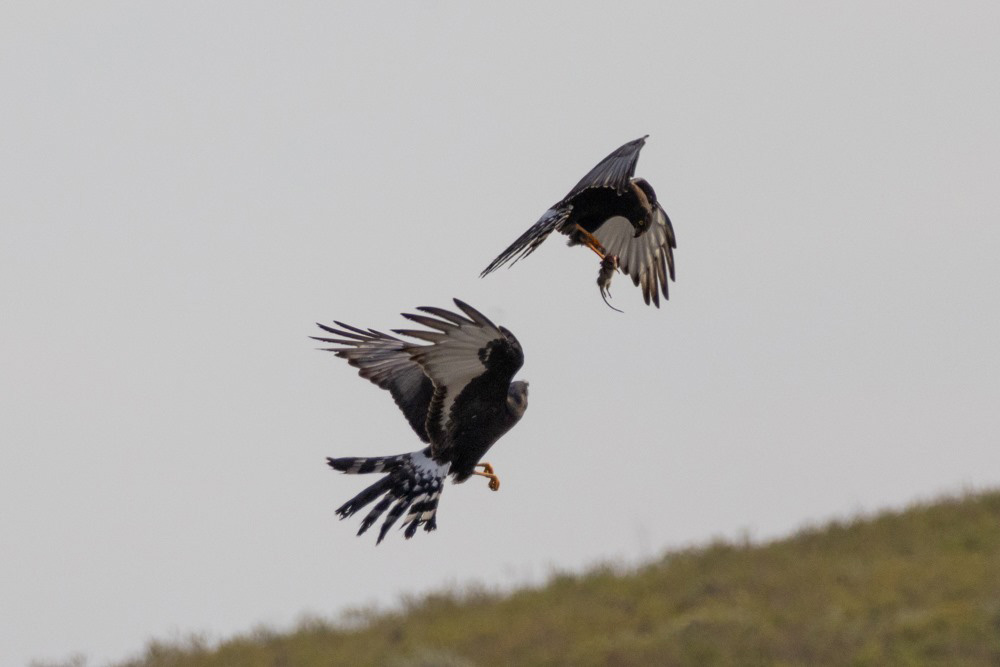
Here’s what we’ve learnt so far:
– Out of our 15 Overberg birds, two were killed by wind turbines, one by a wheat-cutter and one by an aerial predator.
– The data are also showing us where the harriers go after they breed, with many surprises: some went east, while others stayed on their breeding territories year-round. In fact at the moment, seven of the 15 tagged Black Harriers are currently in the Overberg. Aside from the four that were killed, the remaining tags placed on birds have gone offline (which is known to happen).
– Habitat loss and climate change remain the two greatest threats to the species, but with at least 13 known deaths of harriers by wind farms (science shows that this number is more likely to be at least double) throughout the country, this new threat is becoming increasingly prominent. The more data we have, the more we can motivate to developers to implement higher levels of mitigation on wind farms to completely stop harrier (and other species’) collisions with turbines.
According to ORT Chief Executive Officer, Dr Odette Curtis-Scott,
“The data are also being used for exciting analyses to determine when and where Black Harriers are likely to be most vulnerable to wind turbine collisions. This could potentially help to bring in more effective mitigation measures at wind farms where harrier fatalities are an issue.”

More information is needed
It is now critical to keep fitting tags onto birds, especially around existing wind farms, as well as those areas being touted for wind farms in the future – with comments and objections to potential wind farms where necessary based on good science. Odette says, “We have already been able to use the data from our birds to appeal for approvals on some local wind farms. This resulted in some developers opting to amend their Environmental Management Programmes to ensure higher levels of mitigation for the species.”
The ORT is also currently chairing the Black Harrier Task Force: a collaboration between various NGOs (including BirdLife South Africa and the Endangered Wildlife Trust) and specialists. This group is working towards a Species Action Plan for Black Harriers throughout their range. Odette says, “All the nesting and tracking data that Rob, Meg and myself are gathering are feeding into this plan. Thus the more data we have, the stronger the plan will be – and the better the species’ chance of survival.”
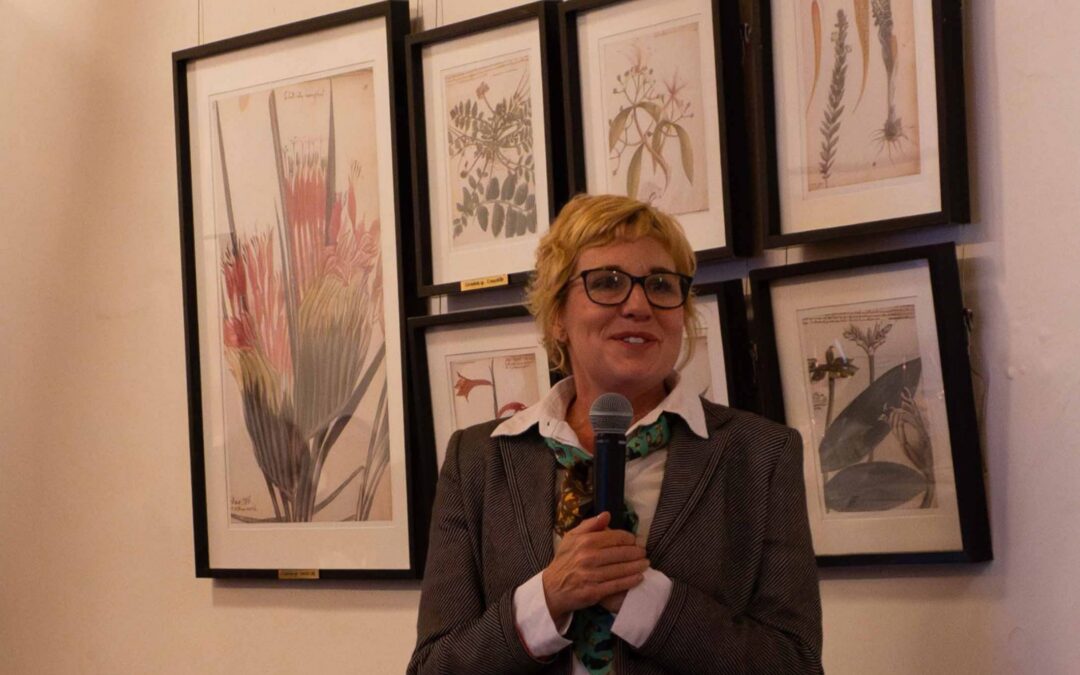
An evening for the Black Harrier: celebrating wings, words and wonder
Around 65 conservationists, researchers, supporters and bird lovers gathered at Vergenoegd Löw Wine Estate on Tuesday 29 September to celebrate one of South Africa’s most striking – and threatened – birds.

Healthy soils depend on the little things
When you think of farming, you might immediately think of crops, livestock, rainfall and pests. But some of the hardest-working members of a healthy farming system are almost invisible.

Latest Renosterveld News
OVERBERG RENOSTERVELD TRUST NEWSNewsletter 40 | April 2026 by Grant ForbesFrom Grant: Conservation, farmers and trust It’s not often that I have the opportunity to pop into your inbox. But with our CEO, Odette Curtis, away at the moment, I’m joining you in this...
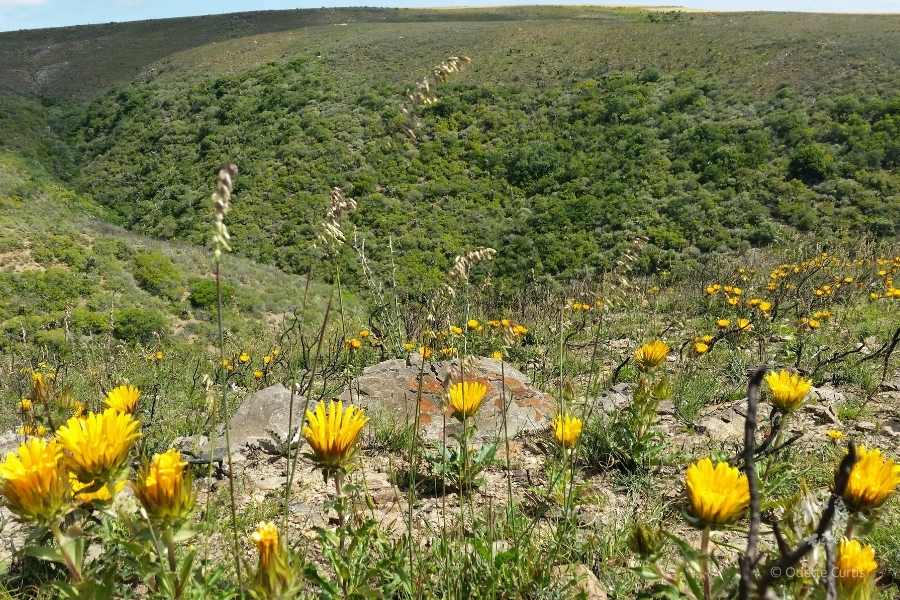
Why the ORT is part of the Overberg Conservation Alliance
That’s why we’re proud to be a founding member of the Overberg Conservation Alliance (OCA), a collaboration between four conservation organisations working across the Overberg.





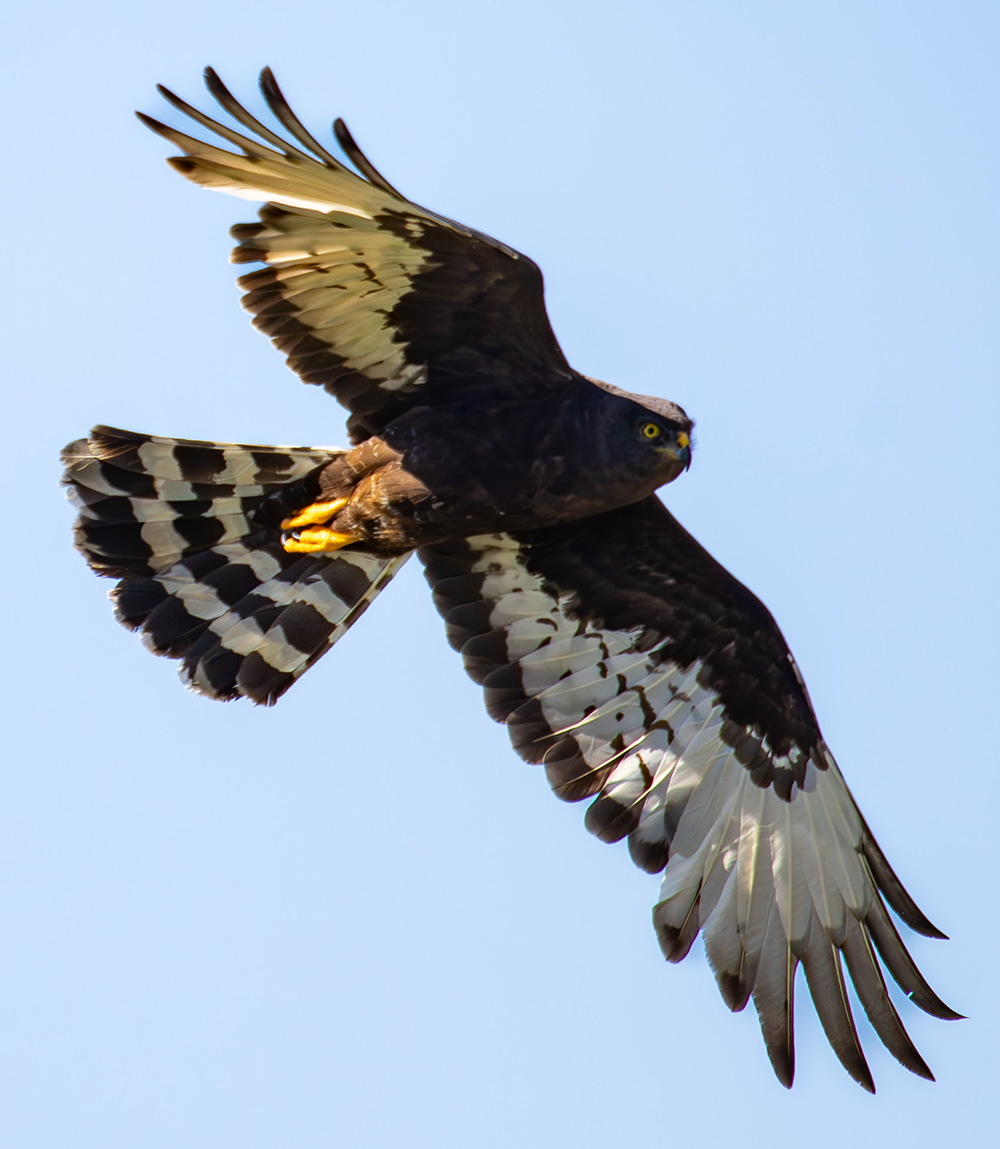
However, in order to do this, we need a steady supply of satellite tags and we need to undertake additional surveys.
Please consider donating to the Black Harrier Project, either directly via our online donation platforms, or by contacting the ORT directly. Those who are interested in sponsoring a tag (R25,000) will be able to name ‘their’ bird, and corporate or other sponsors’ logos will be displayed on the ORT’s website.
Odette says, “Black Harriers are rarer than rhinos! With only around 1,300 birds remaining, we could lose the species within our children’s lifetimes. We cannot let this happen on our watch. Please support this critical work.”
Latest Renosterveld Birding News
An evening for the Black Harrier: celebrating wings, words and wonder
Around 65 conservationists, researchers, supporters and bird lovers gathered at Vergenoegd Löw Wine Estate on Tuesday 29 September to celebrate one of South Africa’s most striking – and threatened – birds.
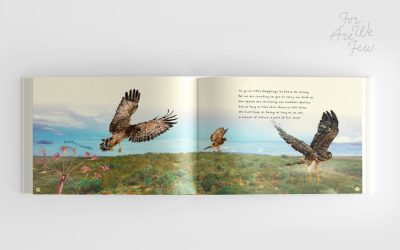
A book for all ages, to bring out the child in you
A new, richly illustrated children’s book is hoping to inspire a lifelong love of nature by telling the story of one of South Africa’s most threatened birds – the Black Harrier, BirdLife South Africa’s Bird of the Year for 2026.

Renewable energy the need for clearer direction
One of the greatest supposed solutions to climate change on a global scale is proving to be one of the greatest conservation challenges facing the Overberg today.