A book for all ages, to bring out the child in you
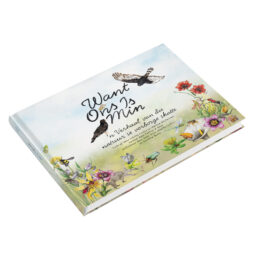
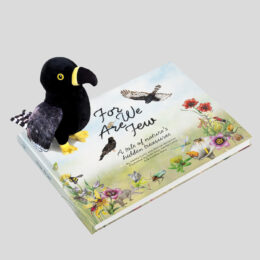
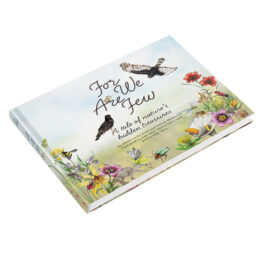
A new, richly illustrated book is hoping to inspire a lifelong love of nature by telling the story of one of South Africa’s most threatened birds – the Black Harrier, BirdLife South Africa’s Bird of the Year for 2026.
Published by Jacana Media’s Staging Post, For We Are Few brings together science, storytelling and art to introduce not only young readers but nature lovers of all ages to the remarkable wildlife of the Overberg’s renosterveld, one of the world’s most threatened ecosystems. While the story relates particularly to the biodiversity found near the southern tip of Africa, the message is universal: our natural ecosystems are shrinking and this affects all life.
The book is the creation of four conservationists, scientists and artists: Dr Odette Curtis, CEO of the Overberg Renosterveld Trust (ORT); Dr Melissa Whitecross, ORT Trustee; artist and graphic designer Sumi Gous and biologist and illustrator Suretha Dorse .


Meet Molly and Robert
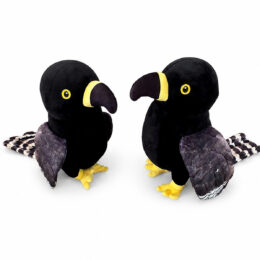
At the heart of the story are Molly and Robert, a pair of Black Harriers raising their chicks in an increasingly fragmented landscape. They share stories of the extraordinary diversity of life, from the tiniest insects and flowers to the larger birds and mammals that they’ve encountered along their own journey. But readers are also introduced to the growing challenges facing a species whose habitat has been significantly reduced and carved into smaller pieces, and the threats that the young fledglings will face on the ‘outside’, including monoculture crops, powerlines, wind turbines and expanding human activity.
For lead author Dr Odette Curtis, the project is deeply personal. “I’ve spent much of my career studying and protecting Black Harriers, as well as renosterveld, one of our most threatened yet richly diverse ecosystems. But when I became a mother, I also once again experienced the wonder of nature, beyond the science, through the eyes of my daughter. Our time spent in nature, reading about nature, and drawing together inspired me to tell a story that I hope will help children fall in love with the natural world.”
She adds, “We wanted to create a book that captures that sense of wonder and curiosity, while introducing readers to the importance of protecting the wild places that remain. Our greatest hope is that this book prompts readers to pause, take a closer look at the extraordinary life unfolding around them, and in doing so, cultivate a kinder, more empathetic connection with nature.”


SA’s Bird of the Year
The timing of the book’s release is particularly fitting. Shortly after work began, the Black Harrier was announced as BirdLife South Africa’s Bird of the Year for 2026, adding fresh momentum to completing the project.
Black Harriers are listed as Endangered, with fewer than 1 200 individuals remaining. They are also a truly South African species, occurring almost only in South Africa, migrating within the country and occasionally visiting Lesotho and southern Namibia.
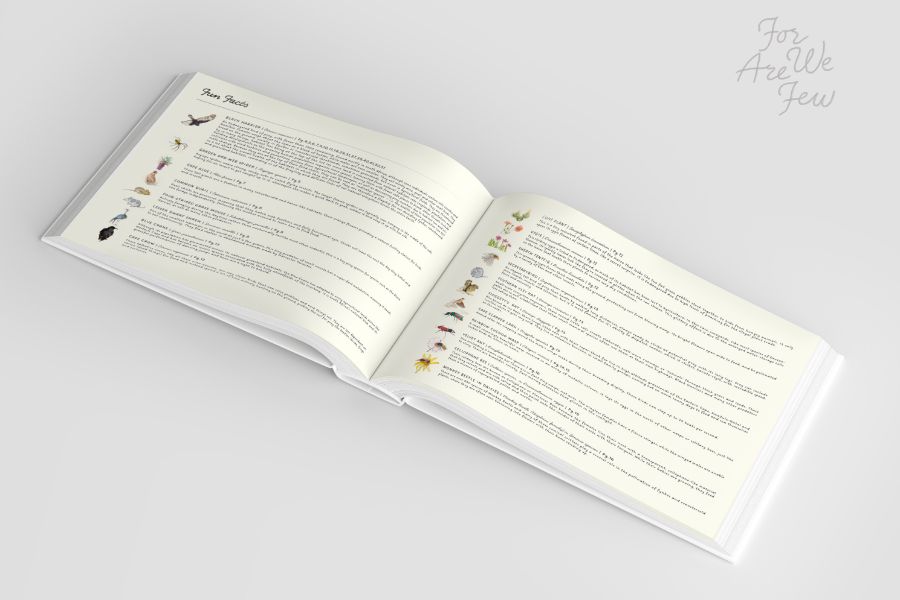
For We Are Few has broad appeal for readers of all ages. The richly textured illustrations weave together artwork and photographic elements to showcase the extraordinary beauty and biodiversity of the region, introducing readers to many of the remarkable species that share the Black Harrier’s home. Every one of the over 150 illustrated species appears in a list at the end of the book with its full name and a ‘fun fact’, adding substantially to the learning experience offered by the book.
Co-author Dr Melissa Whitecross says the book is ultimately about hope.
“Children instinctively connect with stories. We hope this book encourages curiosity, compassion and a sense of responsibility for nature. The Black Harrier may be one of our most threatened raptors, but through its story we’re celebrating an entire ecosystem that deserves to be known, valued and protected.”
For We Are Few has also been translated into Afrikaans.
The book is available for R290 through the Overberg Renosterveld Trust’s online shop and will soon be available at most major retailers.


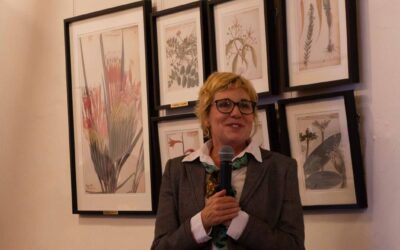
An evening for the Black Harrier: celebrating wings, words and wonder
Around 65 conservationists, researchers, supporters and bird lovers gathered at Vergenoegd Löw Wine Estate on Tuesday 29 September to celebrate one of South Africa’s most striking – and threatened – birds.

Healthy soils depend on the little things
When you think of farming, you might immediately think of crops, livestock, rainfall and pests. But some of the hardest-working members of a healthy farming system are almost invisible.

Latest Renosterveld News
OVERBERG RENOSTERVELD TRUST NEWSNewsletter 40 | April 2026 by Grant ForbesFrom Grant: Conservation, farmers and trust It’s not often that I have the opportunity to pop into your inbox. But with our...
More ways to support Black Harrier Conservation
Latest Renosterveld News
An evening for the Black Harrier: celebrating wings, words and wonder
Around 65 conservationists, researchers, supporters and bird lovers gathered at Vergenoegd Löw Wine Estate on Tuesday 29 September to celebrate one of South Africa’s most striking – and threatened – birds.
Latest Renosterveld News
OVERBERG RENOSTERVELD TRUST NEWSNewsletter 40 | April 2026 by Grant ForbesFrom Grant: Conservation, farmers and trust It’s not often that I have the opportunity to pop into your inbox. But with our...
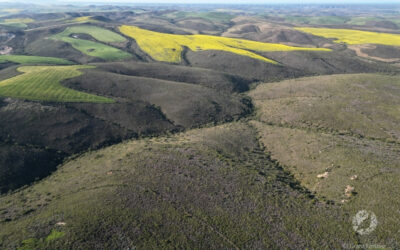
Regenerative farming: Do you really know your farm?
Speaking at a Regenerative Agriculture Landowner’s Day organised by the Overberg Renosterveld Trust in partnership with WWF South Africa in June