A new renosterveld species discovered at Haarwegskloof
In the heart of the Overberg, within one of the world’s most threatened ecosystems, a renosterveld species has waited for millennia to be officially recognised.
In May 2026, Lachenalia groenewaldii was formally described to science. It occurs only on the Haarwegskloof Renosterveld Reserve, and is known from just one population.
For the Overberg Renosterveld Trust (ORT), the discovery is especially important: the species was found on Haarwegskloof, and was first recognised by former Reserve Manager Jannie Groenewald, whose keen eye resulted in him querying his find.
It started with a question
In a recent paper published in Phytotaxa, botanist Graham Duncan explains that the first flowering plants were noticed in 2014 by Jannie. Although they resembled a member of the Lachenalia genus, something seemed different.
Jannie shared his thoughts with the ORT team and with Duncan, who investigated further. However, the species was only seen again years later, in October 2023. At this point the ORT’s Senior Conservation Manager Grant Forbes collected material from the population. The plants were subsequently studied by Duncan, who confirmed that this was a species previously unknown to science.
The new species has been named Lachenalia groenewaldii in recognition of Jannie’s role in identifying it.

A species with a very small home
At present, Lachenalia groenewaldii is known from only a single population on a hillside within the Haarwegskloof Renosterveld Reserve between Bredasdorp and Swellendam. Researchers estimate that only around 100 individuals occur in the wild.
The plants grow in Eastern Rûens Shale Renosterveld, one of South Africa’s most threatened vegetation types. More than 80% of this ecosystem has already been transformed, largely for agriculture.
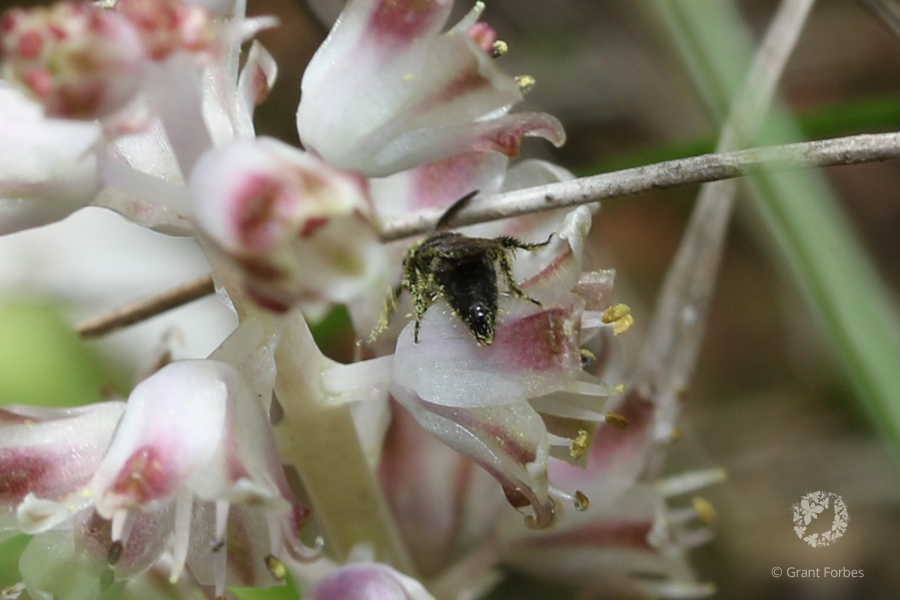
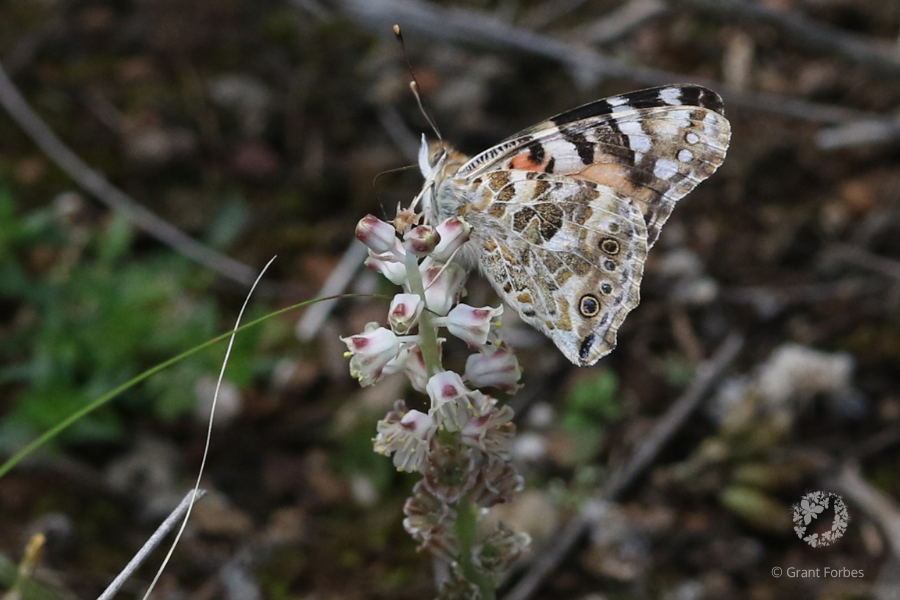
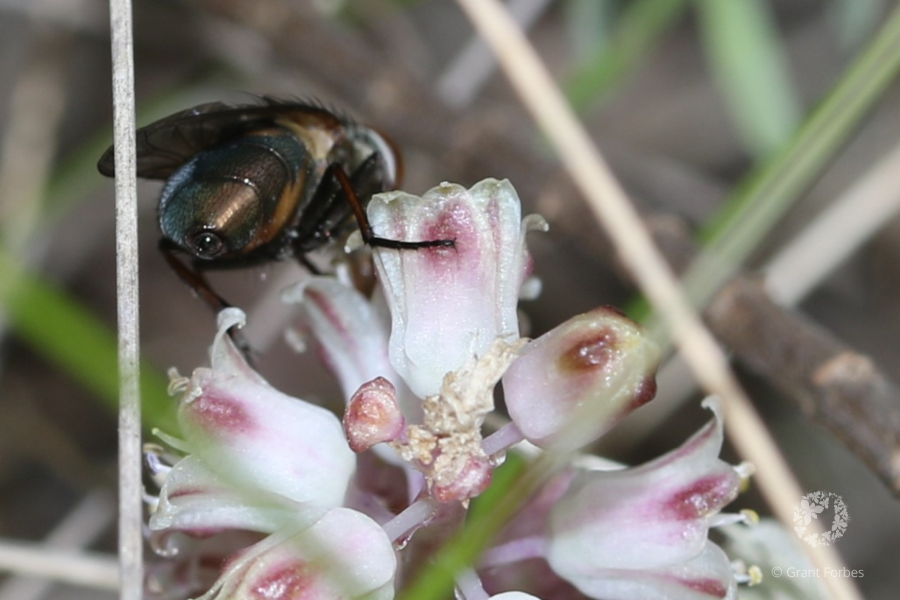
In spring, the plants produce delicate cream-coloured flowers tinged with soft pink. These blooms attract a range of insect visitors, including various flies, butterflies such as Painted Lady and Streaked Copper butterflies, the Small Black Sugar Ant, monkey beetles and as yet unidentified solitary wasps.
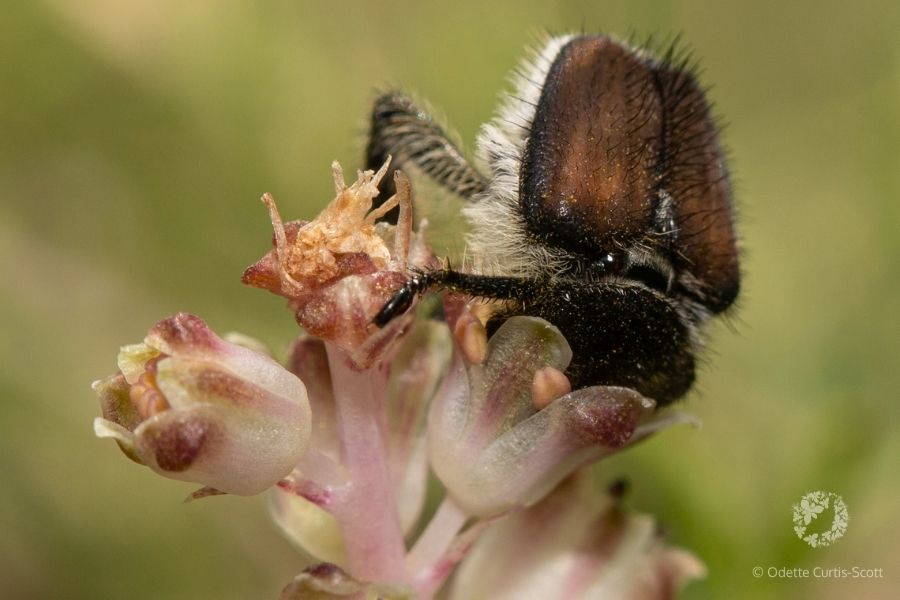
Renosterveld’s many surprises
Despite being one of the most transformed and fragmented ecosystems in South Africa, scientists continue to find species that have never before been described in renosterveld. In fact, Lachenalia groenewaldii is the second new species of Lachenalia to be described from Haarwegskloof in the past decade. Lachenalia barbarae was described nine years ago, and is found only a short distance from the newly described species, although L. barbarae appears to prefer quartz patches and a slightly higher elevation.
The discovery also highlights the value of long-term conservation. Without protected areas such as Haarwegskloof, species like this could easily disappear before they are documented.
For ORT, it is a proud moment: showing how conservation has helped to protect species that are already known, but also those that we are yet to discover.

Healthy soils depend on the little things
When you think of farming, you might immediately think of crops, livestock, rainfall and pests. But some of the hardest-working members of a healthy farming system are almost invisible.

Latest Renosterveld News
OVERBERG RENOSTERVELD TRUST NEWSNewsletter 40 | April 2026 by Grant ForbesFrom Grant: Conservation, farmers and trust It’s not often that I have the opportunity to pop into your inbox. But with our...

Why the ORT is part of the Overberg Conservation Alliance
That’s why we’re proud to be a founding member of the Overberg Conservation Alliance (OCA), a collaboration between four conservation organisations working across the Overberg.
Latest Renosterveld News
Latest Renosterveld News
OVERBERG RENOSTERVELD TRUST NEWSNewsletter 40 | April 2026 by Grant ForbesFrom Grant: Conservation, farmers and trust It’s not often that I have the opportunity to pop into your inbox. But with our...
Regenerative farming: Do you really know your farm?
Speaking at a Regenerative Agriculture Landowner’s Day organised by the Overberg Renosterveld Trust in partnership with WWF South Africa in June
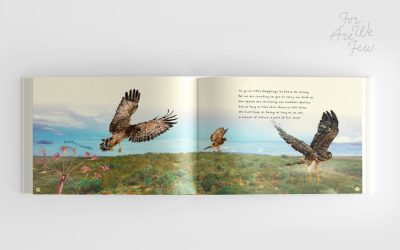
A book for all ages, to bring out the child in you
A new, richly illustrated children’s book is hoping to inspire a lifelong love of nature by telling the story of one of South Africa’s most threatened birds – the Black Harrier, BirdLife South Africa’s Bird of the Year for 2026.