Our Reserve
THE HAARWEGSKLOOF RENOSTERVELD RESERVE
WWF South Africa purchased this farm in late 2013 and handed it to the Overberg Renosterveld Trust for management and care-taking.
The ORT has since renovated infrastructure on the homestead and established the first-ever Renosterveld Research and Visitor Centre, as well as self-catering accommodation.
“The beautiful renosterveld reserve known as Haarwegskloof is a very special place: it forms part of the largest and most contiguous stretch of renosterveld left in the world and it contains many rare and endemic species.”
Dr Odette Curtis-Scott, Chief Executive Officer of the Overberg Renosterveld Trust
STAY IN THE RENOSTERVELD RESERVE
Enjoy the natural surroundings – the rich plant life, the animals and birds, and the crystal-clear country air. And contribute to the important work we are doing here. The reserve is close to De Hoop Nature Reserve and you can also take a trip down to visit our partners at Sijnn Wines on the Breede River at Malgas, where they are conserving renosterveld.
We have two accommodation options for you on the reserve. Our Old Dairy offers self-catering accommodation, with three bedrooms, two bathrooms, braai facilities and much more. The Renosterveld Research and Visitor Centre accommodates up to 10 people. It’s ideal for a fun group get-away into the renosterveld, and with its herbarium and large workspace, is ideal for students and researchers.
THE CONSERVATION SIGNIFICANCE OF HAARWEGSKLOOF
Haarwegskloof, together with its two neighbours, Luiperdskop and Plaatjieskraal, comprises the largest and most contiguous extant Lowland Renosterveld that remains in the Overberg and therefore on Earth. Together these three properties comprise about 1,500 ha Eastern Rûens Shale Renosterveld. Haarwegskloof is about 500 ha in size, with about 80% being virgin land, while the remainder is previously ploughed (recovering) lands. The reserve is home to a diversity of species and particularly many rare and threatened birds and plants.

PLANTS
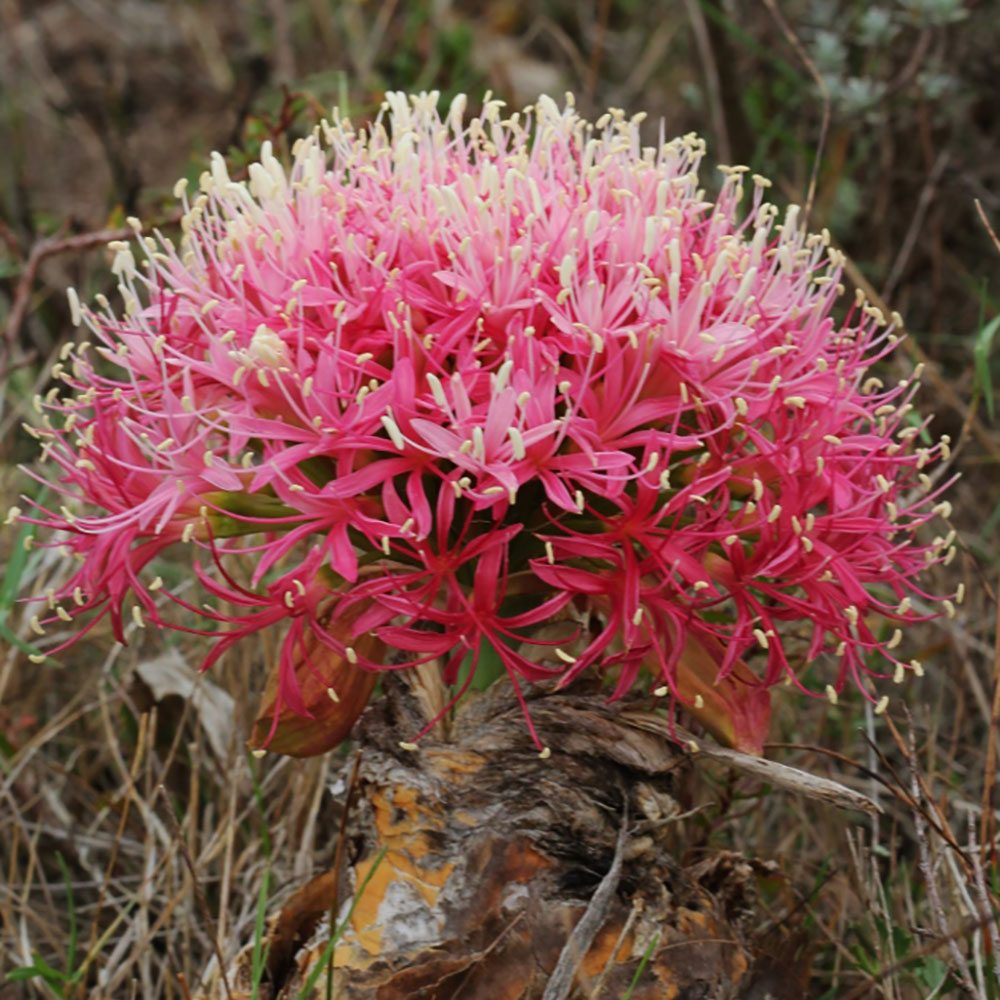
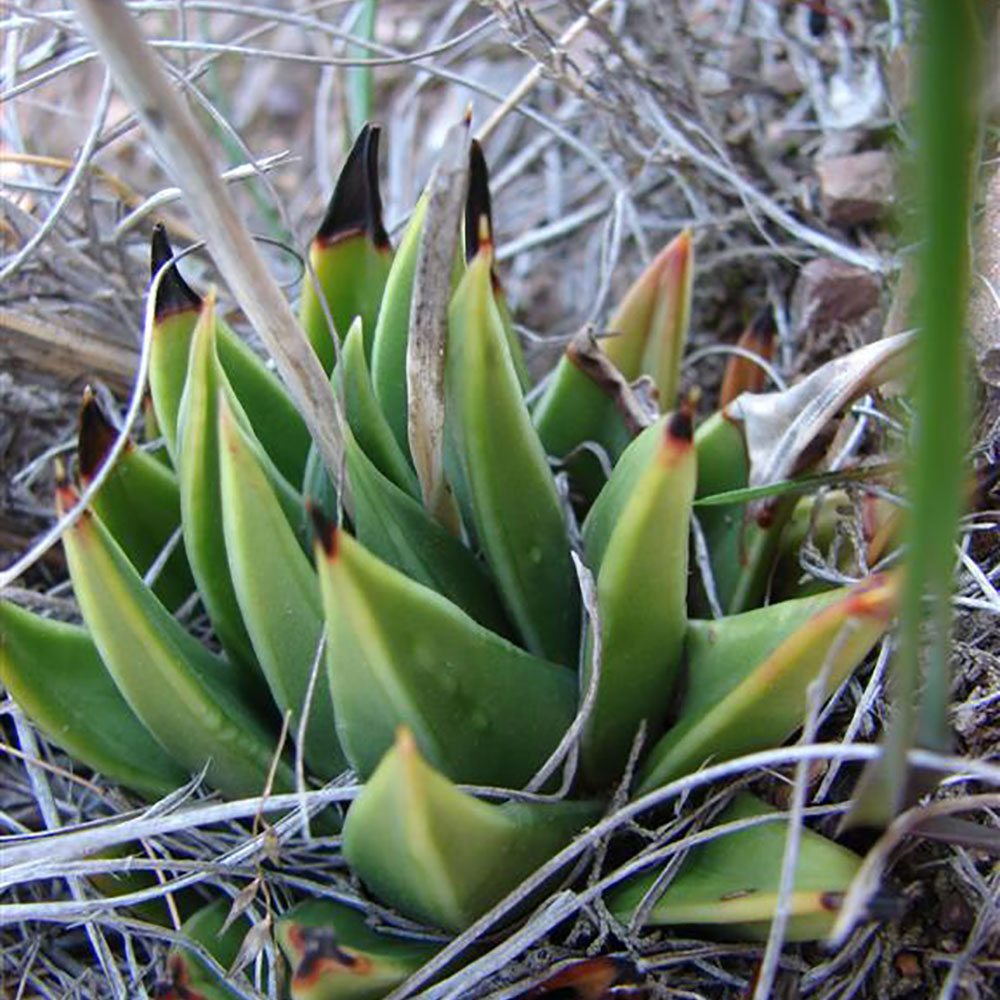
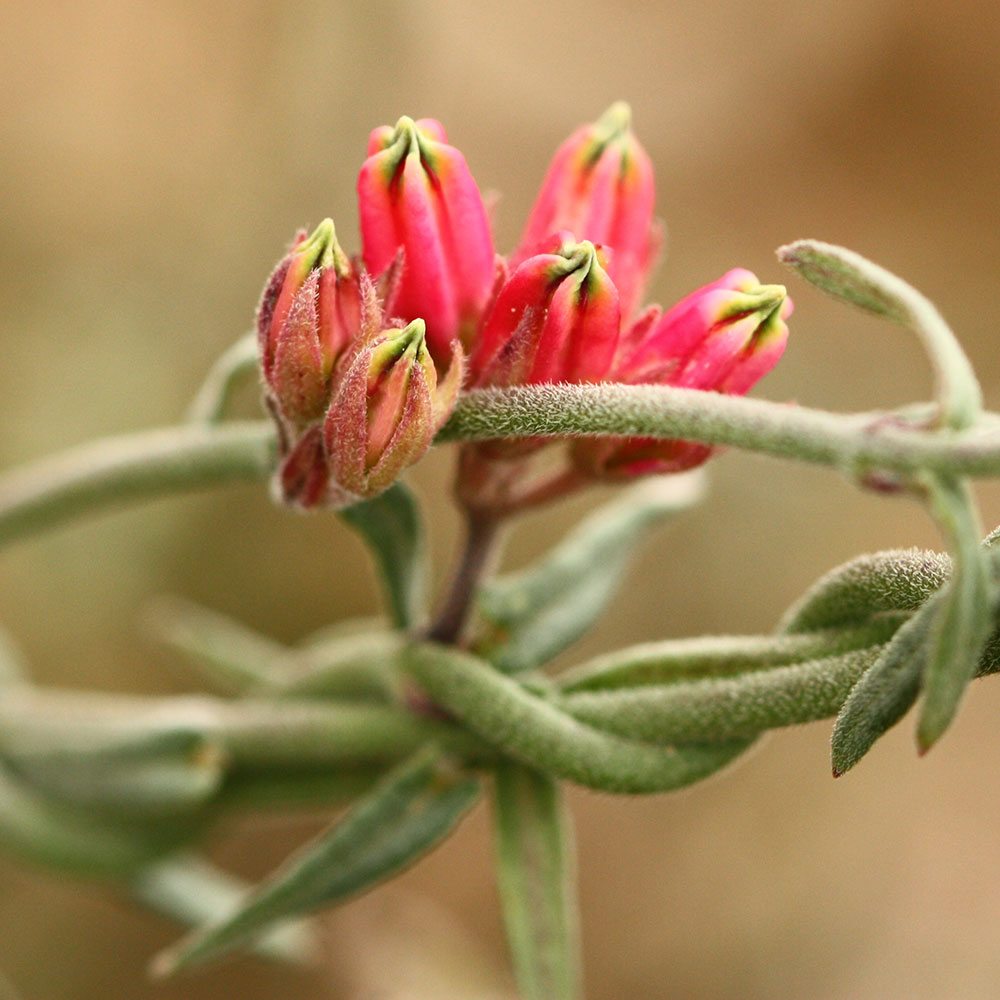
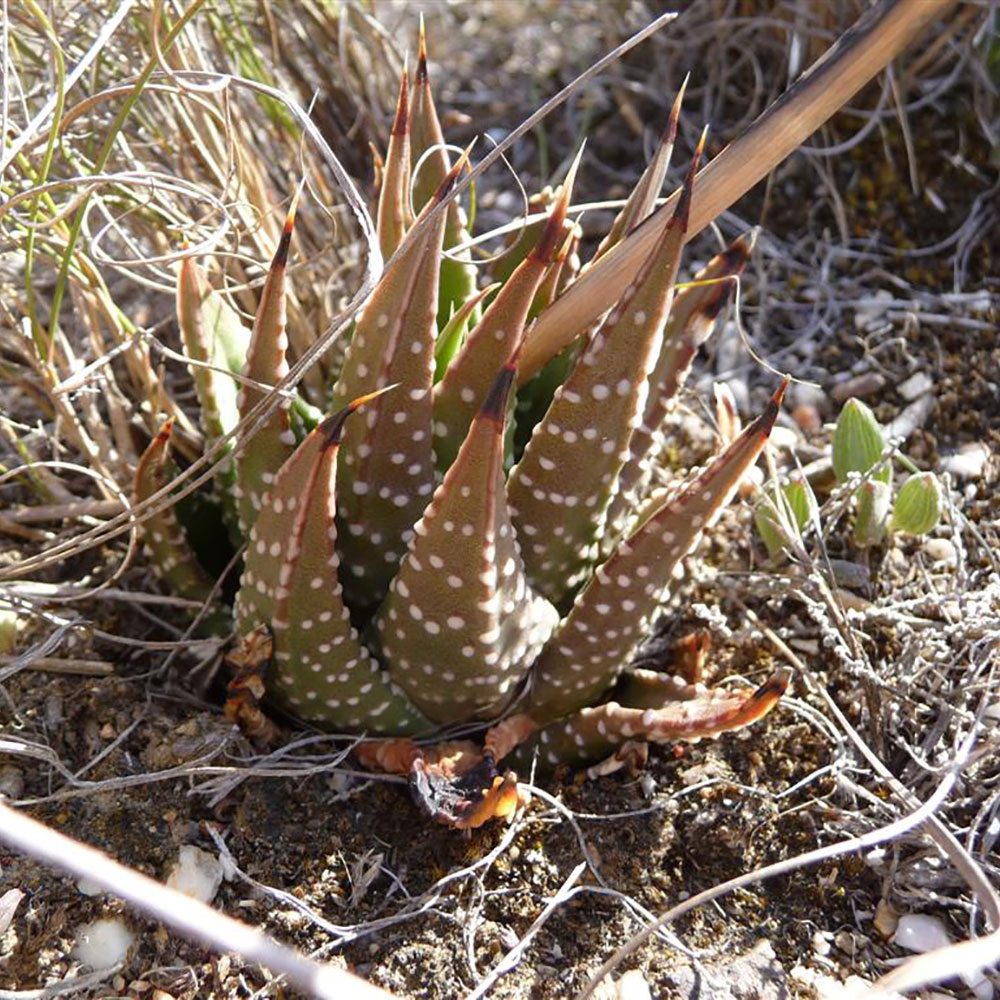
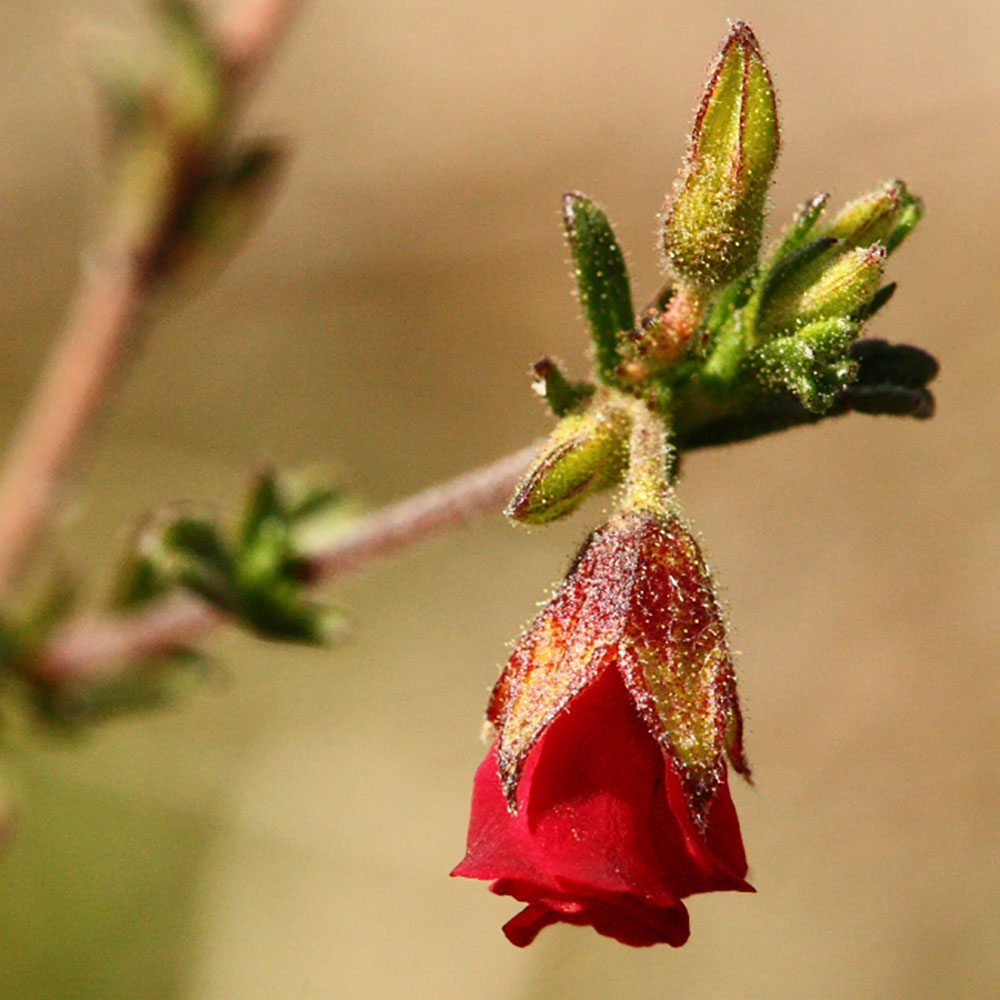
Three of the six recently discovered endemic plants are found on the reserve and one, Polhillia curtisiae, is only known to grow here. Many other rare and endemic species, particularly those occurring only in quartz outcrops, grow on Haarwegskloof.
BIRDS
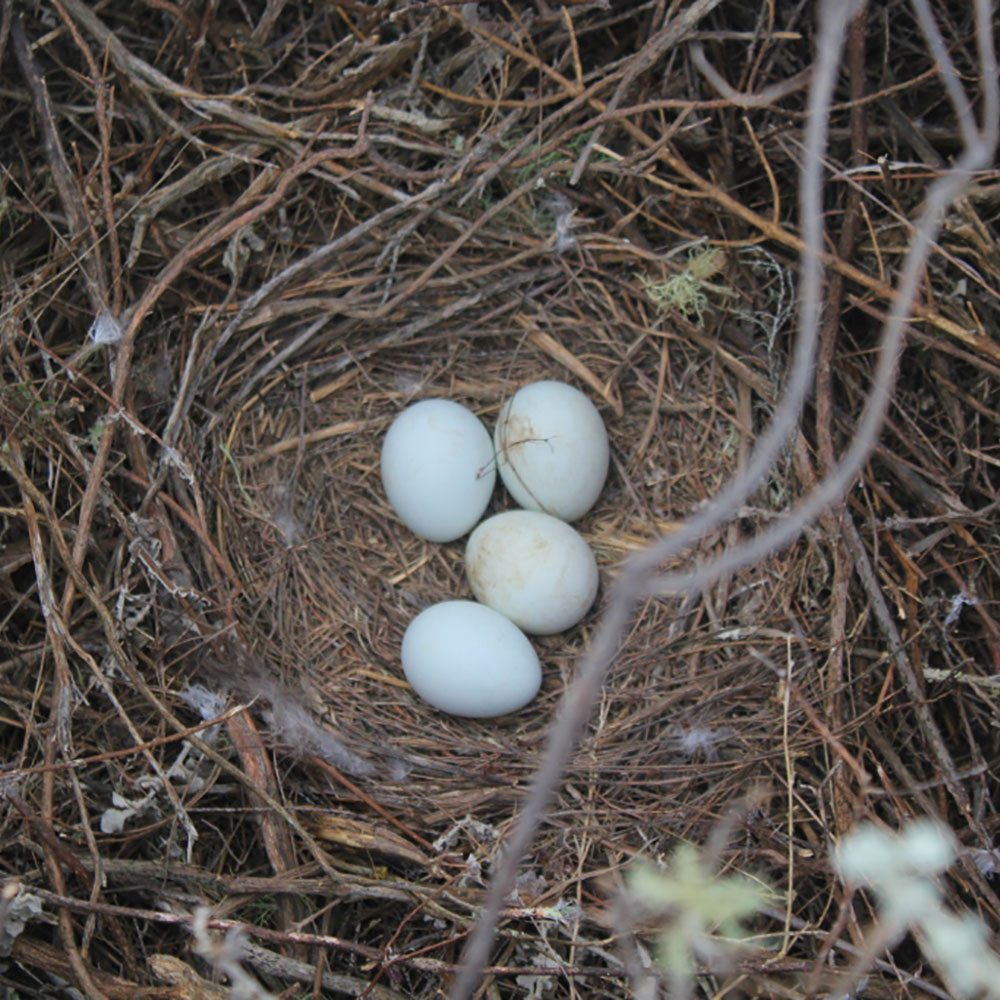
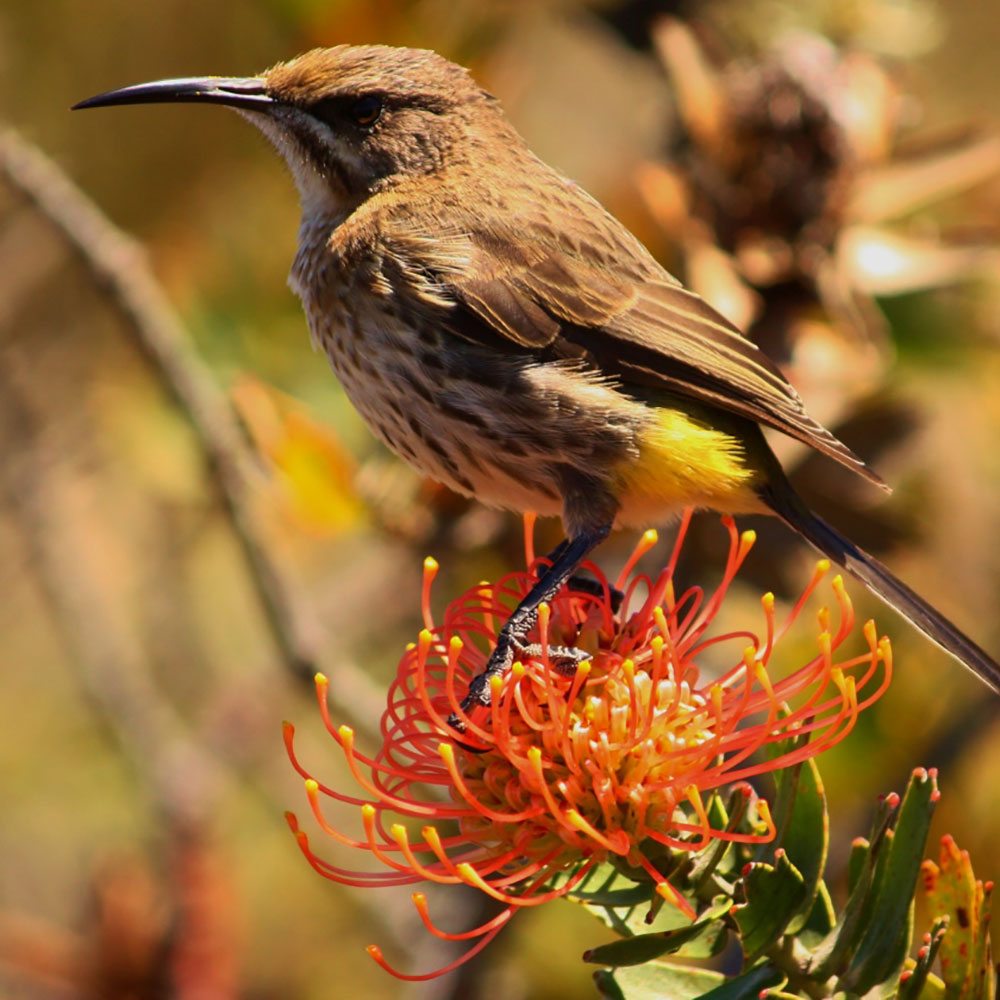
See birds like the Black Harrier, listed as Endangered, and the Denham’s Bustard, listed as Vulnerable. Their numbers have declined significantly over the years, due to habitat loss and other challenges. Our renosterveld offers the perfect habitat for these and a host of other birds. In fact, we’ve found many pairs of Black Harriers breeding on the reserve.
MAMMALS
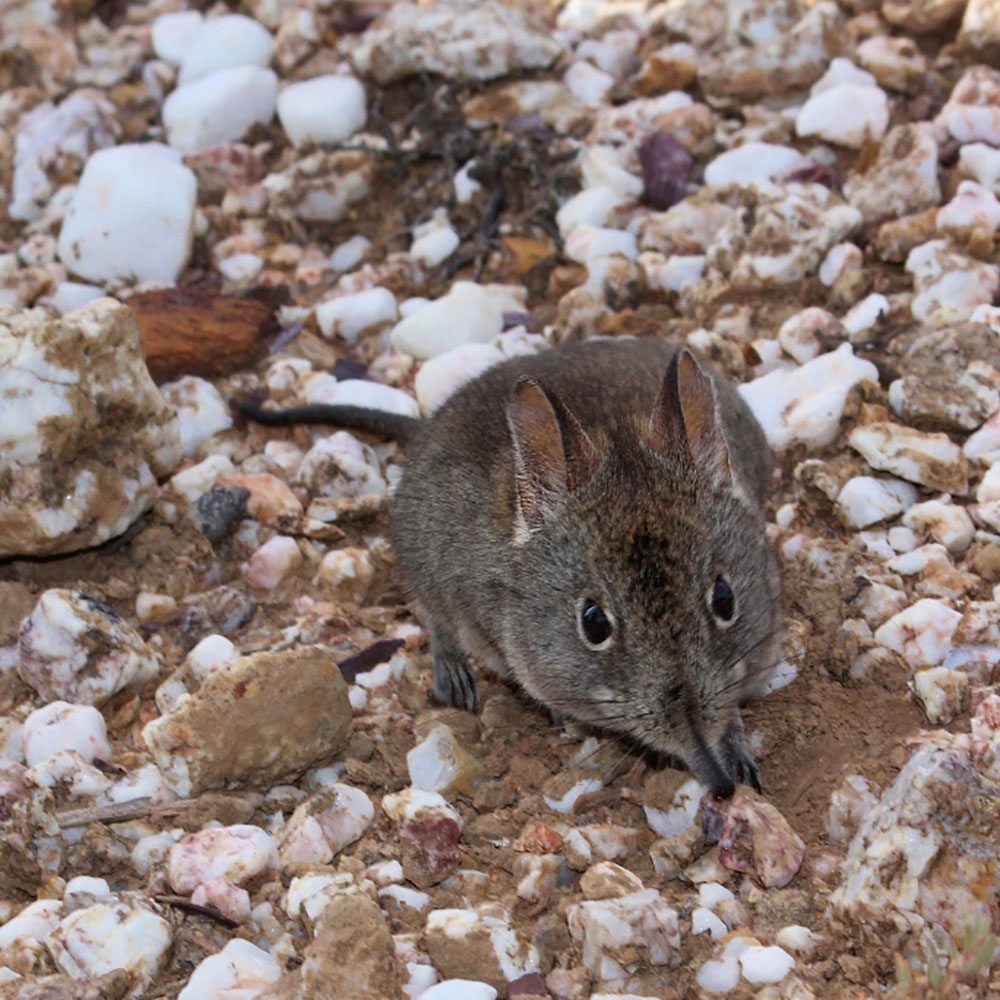
The reserve hosts a variety of wonderful and secretive mammals. Like the aardwolf – an elusive mammal that looks like a small hyena, but eats only insects. This species has been affected by habitat loss in the Overberg, and is now very rare in our region.
HISTORY & BACKGROUND
Haarwegskoof farm was historically owned by the Lourens family. In late 2013, WWF South Africa purchased the farm in order to ensure its protection in perpetuity. The Overberg Renosterveld Trust (ORT) has been elected as the Management Authority on this property and Fauna and Flora International in the UK (FFI) provided funding for the initial management planning and interventions, as well as the Nature Reserve declaration (through CapeNature’s Stewardship Programme).
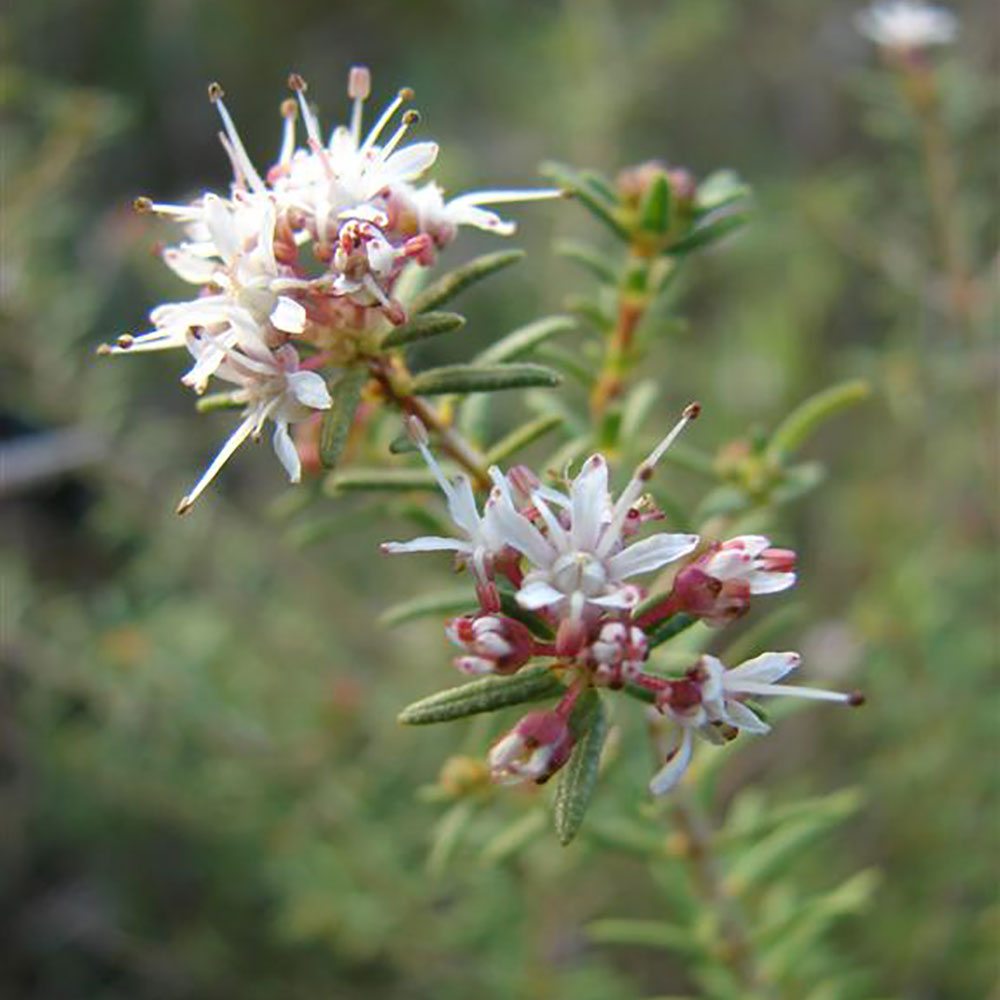
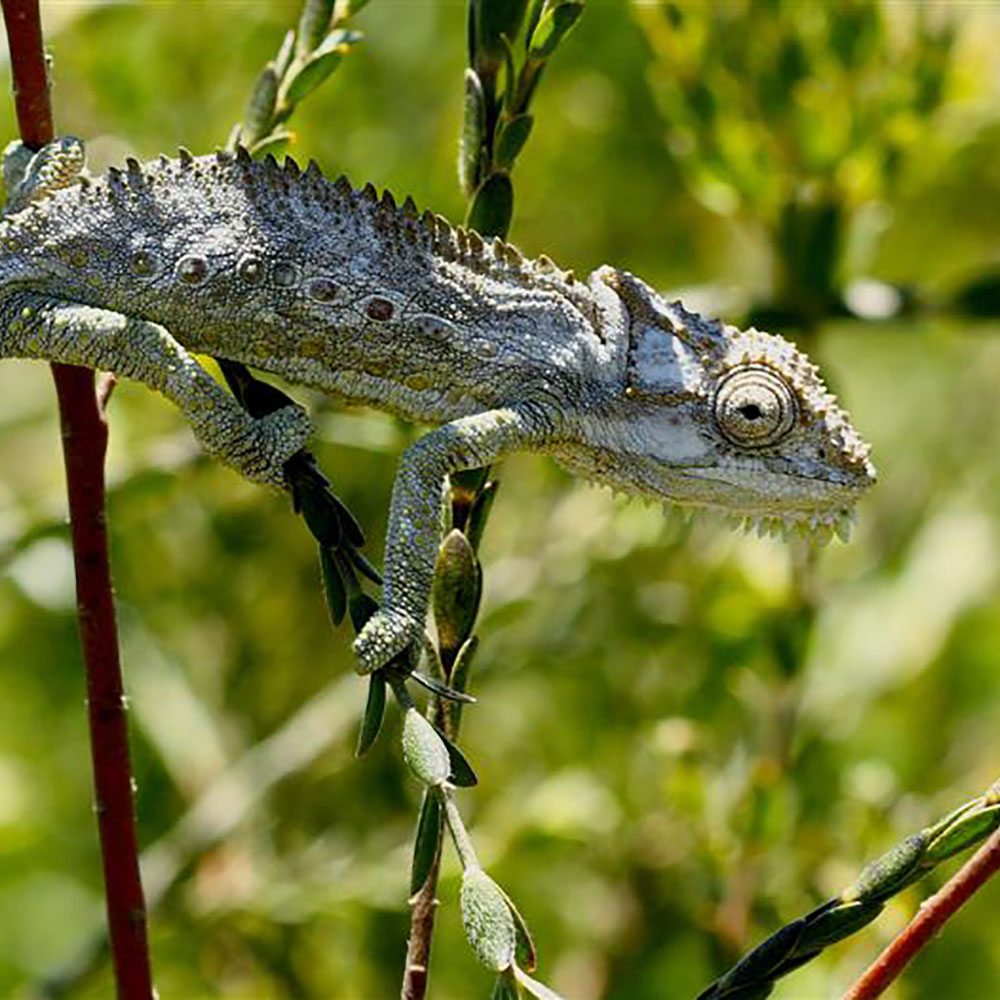
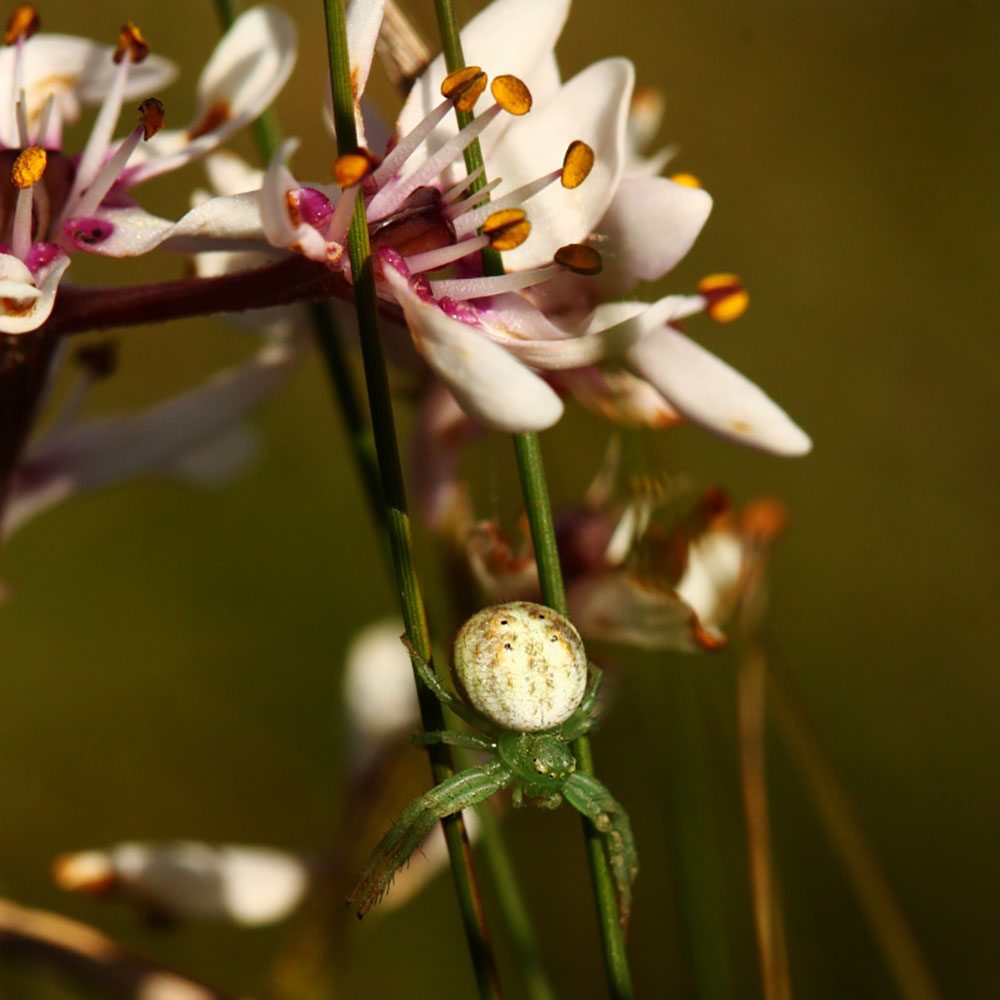
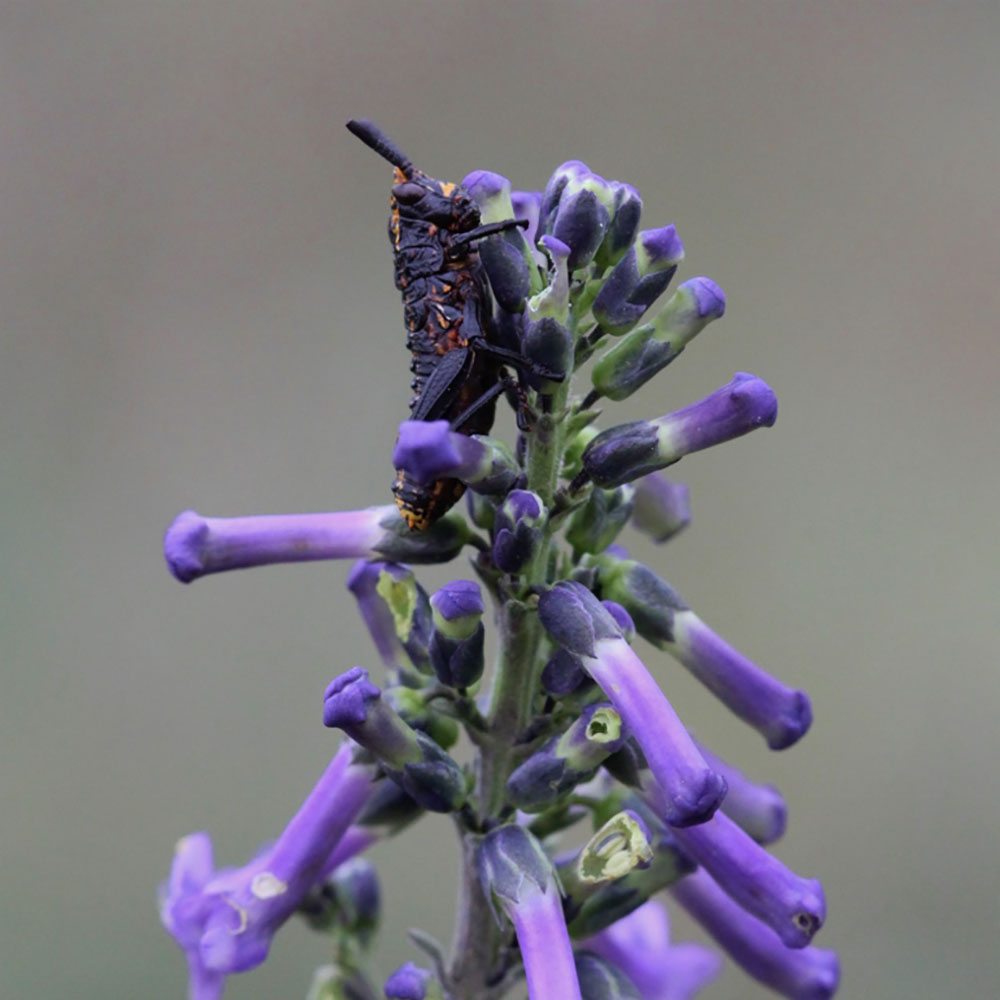
In 2014, the ORT raised sufficient funds to restore the existing homestead and establish the first-ever Renosterveld Research & Visitor Centre. This reserve and centre are now a flagship locality for renosterveld conservation in the Overberg and the world. The centre is a hub for post-graduate students to carry out research on the Overberg’s renosterveld, while also providing ecotourism and education opportunities which will not only grow awareness about the plight of renosterveld, but also generate an income for the ORT so that management becomes more sustainable.
In 2022, an old barn situated on the farmstead was revamped into a brand-new learning centre, called The Shed. This renovation was funded by a number of donors via a crowdfunding campaign. The aim of The Shed was to provide a venue for school children to use when visiting the reserve, to learn about renosterveld through our Veld School programme. But it became so much more: it now serves as a venue available to workshop hosts or course providers looking to offer their course or retreat in the quiet, undisturbed peace provided by Haarwegskloof.
More about the Renosterveld Reserve
What you need to know about the Renosterveld Reserve:
- The Renosterveld Reserve
- Self-catering accommodation
- The Shed
- Activities
- Map & Directions
Everything you need to know about the Renosterveld Reserve. Download our Information Pack here.
ACKNOWLEDGEMENTS
The Overberg Renosterveld Trust would like to thank the following individuals and organisations for aiding with the collection of these data and the preservation of this biodiversity hotspot.
Fauna and Flora International for funding camera traps, field equipment, contributing towards the establishment of the Centre and management interventions on Haarwegskloof.
WWF South Africa for purchasing this reserve and entrusting it into our care.
Individuals who contributed to the compilation of species lists on the reserve and provided traps, time and expertise included:
Clifford & Suretha Dorse, Keir & Alouise Lynch and Barry & Rozelle Rose, Jannie Groenewald & Odette Curtis-Scott.

FIELD GUIDE TO RENOSTERVELD OF THE OVERBERG
The first ever Field Guide to Renosterveld of the Overberg is a wonderful source of information on renosterveld and the wildlife you could find living in this habitat. The guide is the result of five years of extensive research. It’s authored by Dr Odette Curtis-Scott, Mike Goulding, Nick Helme, Rhoda McMaster, Sean Privett and Prof Charles Stirton. Find out more here.

GET THE FIRST RENOSTERVELD APP
This smartphone application contains more than 1,600 photos of species – ranging from renosterveld plants, to the wildlife that calls renosterveld home. It’s based on the printed Field Guide to Renosterveld of the Overberg – but with 500 additional species featured. And it has been written and compiled by the world’s foremost renosterveld experts. Find out more here.