Renewable energy: The need for clearer direction
By Dr Odette Curtis, CEO, Overberg Renosterveld Trust
One of the greatest supposed solutions to climate change on a global scale is proving to be one of the greatest conservation challenges facing the Overberg today.
South Africa urgently needs to transition away from coal-fired power towards renewable energy if we’re to address a changing climate. As conservationists, we support this transition. Climate change poses one of the greatest long-term threats to biodiversity, and renewable energy could play a vital role in reducing greenhouse gas emissions.
But how do we develop renewable energy without creating new biodiversity crises?
This is a question that the ORT has been grappling with – as we deal with a rapidly growing number of applications for wind farms in the Overberg, and little direction from the Department of Forestry, Fisheries and the Environment (DFFE) on how it intends to standardise mitigation for developments.
Where the challenge originated
In 2018, DFFE identified parts of the Overberg as one of South Africa’s Renewable Energy Development Zones (REDZs), together with seven other areas across the country.
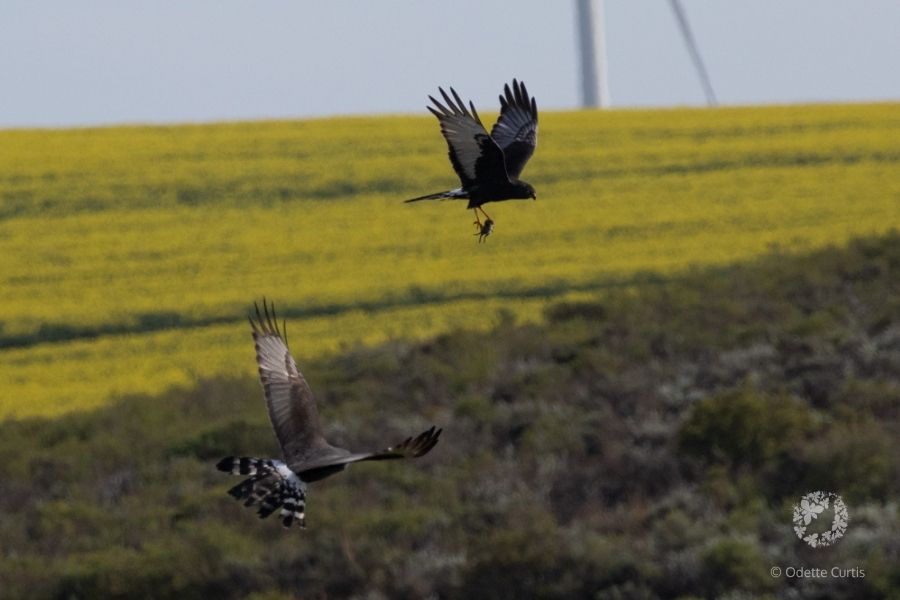
In the Overberg, the REDZ excludes the coast, but includes the entire district north of Botriver, Caledon, Stanford, Elim, Bredasdorp and Malgas. And for us, the challenge is that much of the remaining renosterveld in the Overberg falls within this designated area, as do some of the highest breeding densities of the Endangered Black Harrier – a species highly prone to turbine collisions.
As a result, the ORT has seen a big increase in renewable energy applications over the past year alone, with conservation partners warning that application numbers are likely to increase 10-fold in the next 15 years.

The key question: Where?
For the ORT, our landowners and our partners, the biggest question is where and how these developments will take place.
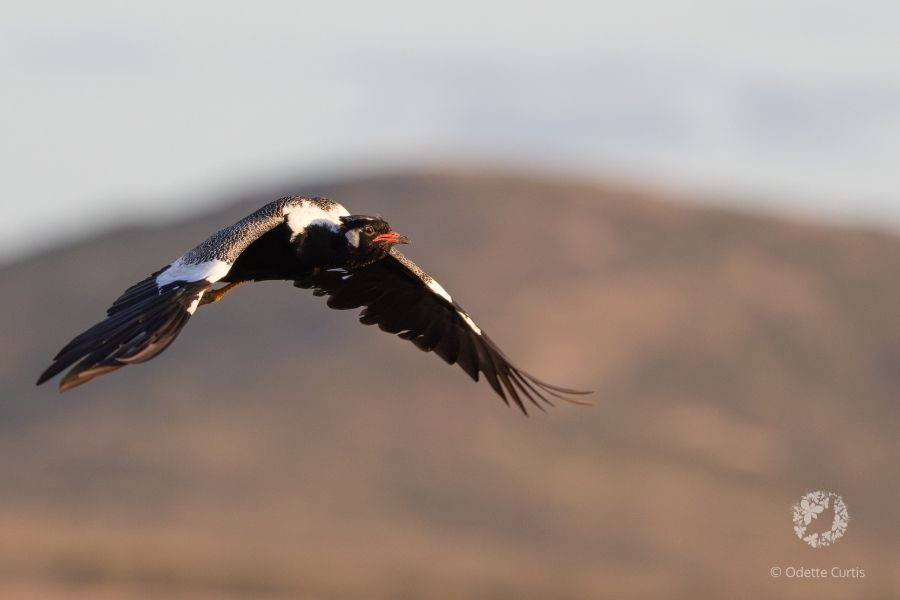
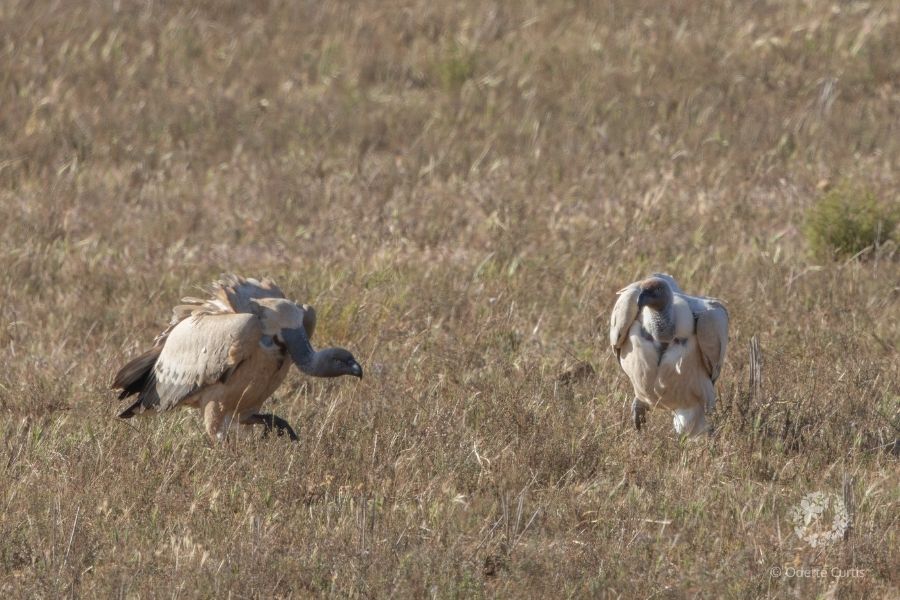
Poorly planned wind energy facilities can fragment already threatened habitats. But even more importantly, turbines and associated powerlines present significant risks to birds – not only Endangered Black Harriers, but also Jackal Buzzard, Southern Black Korhaan and Cape Vultures. While monitoring has shown us that turbines are especially a huge threat to Black Harriers, powerlines are known to cause mass mortalities among Endangered Blue Crane, and affect other red-listed birds such as Denham’s Bustard.
Looking ahead, there is growing concern that some endemic species, previously not considered threatened, may be uplisted to a higher threat status as development pressure for Wind Energy Facilities (WEFs) increases across the landscape.
The growing number of wind farms
Another important consideration is the cumulative impact of these developments. While a single project could be considered ‘acceptable’ in isolation, a number of wind farms across the same landscape, in close proximity to one another, can have far greater negative ecological consequences.
This highlights the need for strategic, landscape-scale, long-term planning rather than assessing each application independently.

Potential solutions
Many potential solutions are already being tested. Technologies such as blade patterning, shutdown-on-demand systems that temporarily stop turbines when species of conservation concern approach, and careful turbine placement informed by avifaunal specialists are all helping to reduce impacts in different parts of the world.
But South Africa still lacks clear, consistent guidance on minimum mitigation standards for wind energy developments, creating uncertainty for developers, regulators and conservation organisations alike.
For the ORT, this work increasingly happens behind the scenes. It involves reviewing applications, engaging with developers, contributing scientific input and working alongside government departments and conservation partners to find practical, evidence-based solutions.
Finding a balance
The challenge now is to ensure that our response to one environmental crisis does not unintentionally worsen another. By bringing together landowners, developers, government, scientists and conservation organisations, we have an opportunity to find solutions that benefit both our renewable energy future, as well as one of the world’s most threatened ecosystems and the wildlife that relies on it.
Finding that balance is vital – for the ORT, it’s a defining conservation challenge that will guide the next decade, even as we deal with the challenge today.

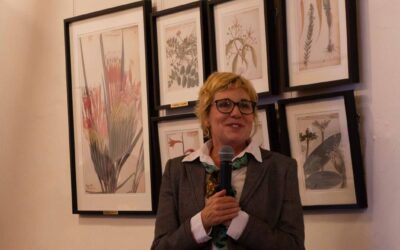
An evening for the Black Harrier: celebrating wings, words and wonder
Around 65 conservationists, researchers, supporters and bird lovers gathered at Vergenoegd Löw Wine Estate on Tuesday 29 September to celebrate one of South Africa’s most striking – and threatened – birds.

Healthy soils depend on the little things
When you think of farming, you might immediately think of crops, livestock, rainfall and pests. But some of the hardest-working members of a healthy farming system are almost invisible.

Latest Renosterveld News
OVERBERG RENOSTERVELD TRUST NEWSNewsletter 40 | April 2026 by Grant ForbesFrom Grant: Conservation, farmers and trust It’s not often that I have the opportunity to pop into your inbox. But with our...