OVERBERG RENOSTERVELD TRUST
RECONNECTING RENOSTERVELD
OUR 2025/26 ANNUAL REPORT
HOLDING THE LINE | GAINS | WHAT’S AT STAKE | HIDDEN WILD | THE FLIGHT | EXPERIENCE | THE LENS | REACH | HELP PROTECT | FINANCE | DONORS & PARTNERS
Year at a glance
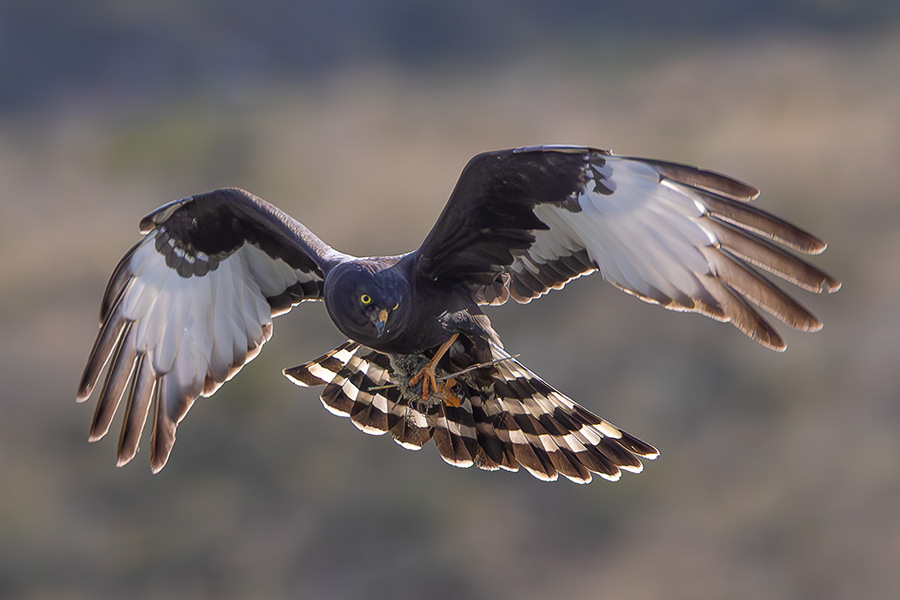
Buying critical Black Harrier habitat
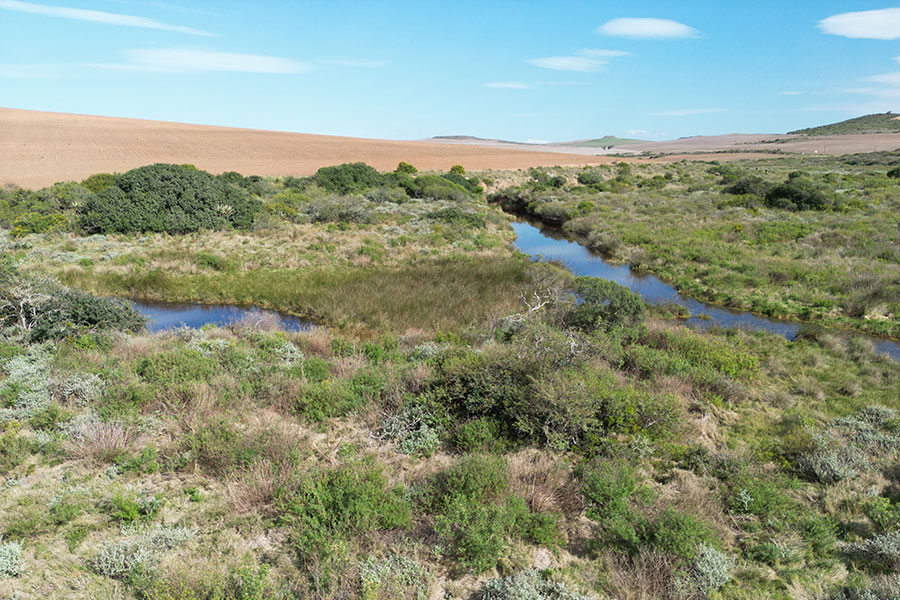
Farmers come on board to protect renosterveld
Haarwegskloof declared a Nature Reserve
The ORT joins an Overberg-wide conservation partnership
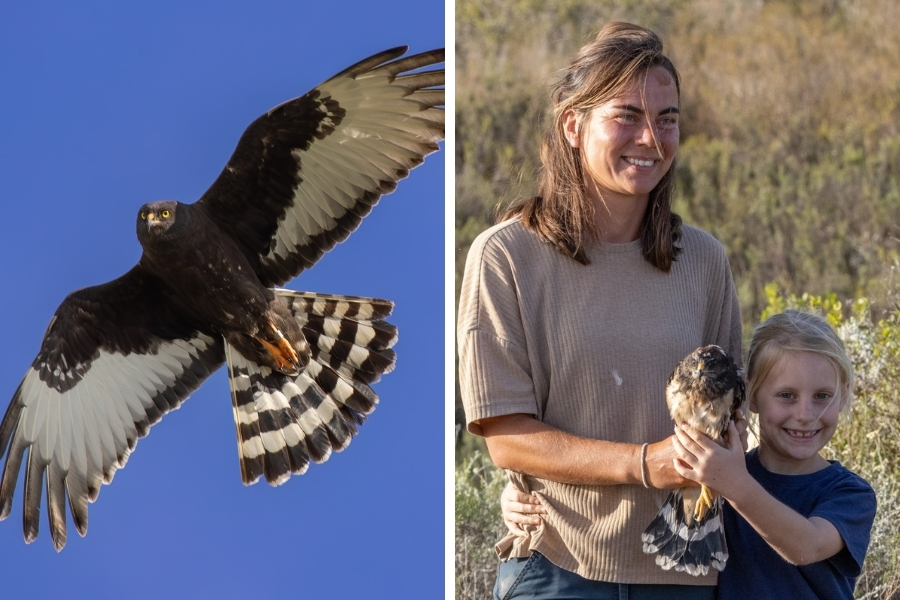
Driving a partnership to protect Black Harriers

For We Are Few: The ORT publishes an illustrated story book

Receiving a major conservation award from WWF South Africa
HOLDING THE LINE FOR RENOSTERVELD:
Why connection matters
OUR VISION
Renosterveld landscapes are sustainably managed to integrate biodiversity, ecosystem function and livelihoods.
Message from the Chairperson
Lesley Richardson
“Renosterveld’s immense biodiversity (it hosts more than 1 300 plant species) and its astounding beauty take one’s breath away.”
Fortunately there is growing awareness of the plight of this unique vegetation type which, one has to say, is clinging to the edge by its fingernails with only 5% of its original expanse left.
There are of course positives. Ongoing efforts by certain landowners to conserve what they have left on their properties are heartening while generous individuals and funding organisations are putting the Trust in a better financial position than ever before.
READ MORE
But there’s no room for complacency. The threats remain. Still more Renosterveld goes under the plough each year (is it ignorance or greed?) and the arrival of wind farms in the Overberg is taking its toll on the landscape and the Overberg’s precious birdlife. The fate of one of our most iconic of birds, this year’s Bird of the Year, the Black Harrier, now literally hangs in the balance.
But the Trust’s efforts show no signs of flagging.
Securing land to conserve Renosterveld remnants forever is a key Trust strategy which has borne fruit this past year with another 270 ha being added to the Trust’s Haarwegskloof Nature Reserve through the purchase of a nearby property. Securing funding for the long-term security of the Trust is another critical strategy, so kicking off its endowment programme with a number of major contributions has been another key feature of the past year.
With so much more being possible in partnership, this year the Trust joined an alliance of four other NGOs to form the Overberg Conservation Alliance (OCA) through which joint programmes and fundraising will be undertaken for the broader landscape. On the Black Harrier front, the Trust is leading the Black Harrier Task Force in partnership with several other organisations and specialists to develop and implement a Conservation Action Plan for the species.
Thank you, Dirk
A special kind of partnership lies within our board of Trustees, a group of volunteers who give unstintingly of their time and expertise. Sincere thanks to them for their guidance and oversight. A special acknowledgement is due to Dirk van Papendorp who chaired the board from its inception until last year. Dirk provided 10 years of unwavering and insightful leadership.
We also express our admiration for the Trust’s small but energetic and dedicated management team under the leadership of Odette Curtis: Grant Forbes, Sharon King, Amauréé Janse van Rensburg, Eugéne Hahndiek – who, besides research, monitoring and extension, manage an environmental education programme for local youth and host visitors for a special nature experience on Haarwegskloof Nature Reserve. Their efforts were justifiably acknowledged in receiving the prestigious WWF Living Planet Award for organisations in 2025.
No time to waste
In closing, I am reminded of Lewis Carrolls’ “Alice in Wonderland” where the hatter and the dormouse are frozen forever in time by the Queen of Hearts. Their mistake? Wasting time. We can be sure that wasting time is not in the DNA of the ORT but only so much can be done without your support to safeguard the remaining Renosterveld.
So this is a call to anyone with a passion for the well-being of the planet and its treasures, to join the ORT in its mission.
Would you consider making a bequest to the ORT’s endowment fund? Can you help fund its projects and programmes?
We look forward to hearing from you.
Kind regards,
Lesley Richardson
ORT Chair
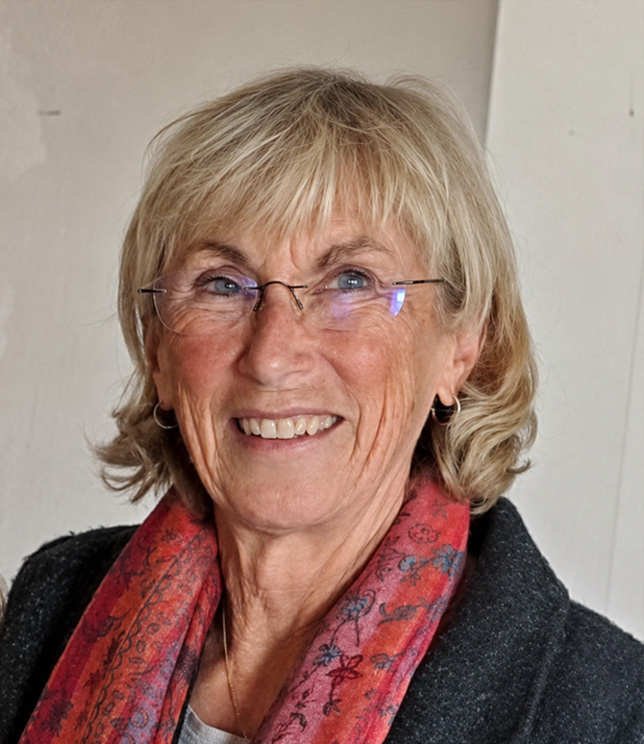
Message from the Senior Conservation Manager
Grant Forbes
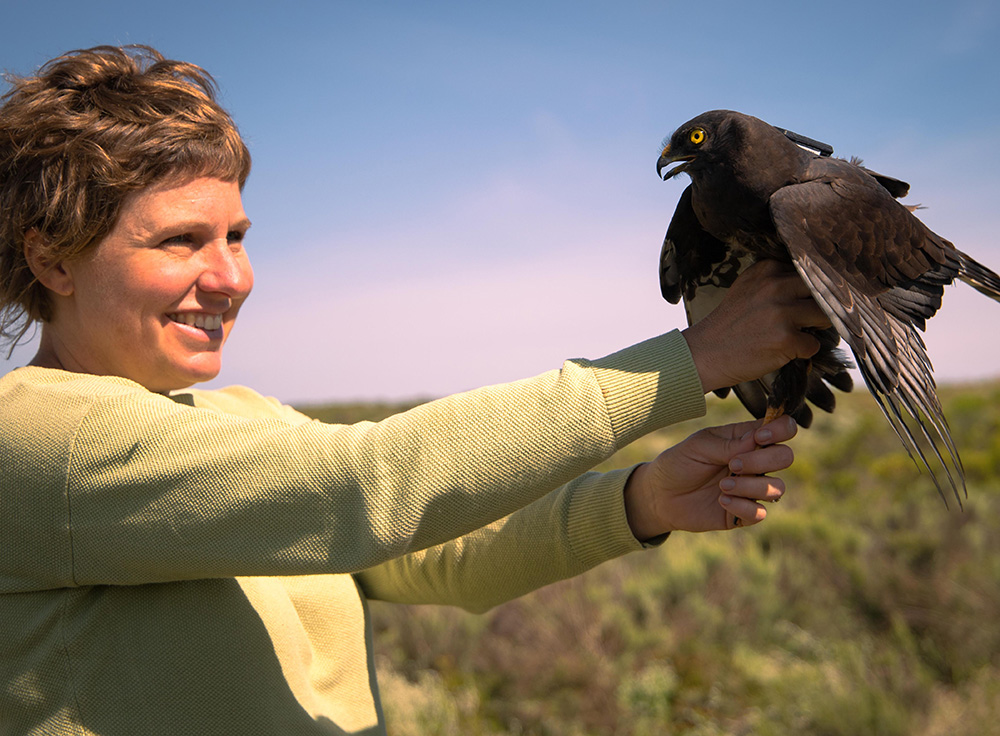
Message from the CEO
Dr Odette Curtis
Building connections for a resilient future
If there is one theme that defines the Overberg Renosterveld Trust’s work over the past year, it is connection.
Connection is at the heart of everything we do. It is about connecting people with nature, connecting fragmented landscapes and connecting organisations, landowners and communities around a shared vision for conservation. Ultimately these connections are what will determine whether renosterveld continues to survive and thrive.
READ MORE
Reconnecting landscapes
For many years, our work has focused on protecting the last remaining fragments of renosterveld. However, our focus has in recent times shifted beyond individual sites towards reconnecting an entire landscape. In a fragmented ecosystem such as renosterveld, connectivity is everything. Species need connected habitats to move, pollinate, disperse and adapt, and natural processes such as fire and catchment management must be facilitated at a landscape scale rather than property by property.
One of the highlights of the past year was undoubtedly securing a portion of the Goereesoe property. Together with Plaatjieskraal and the Haarwegskloof Renosterveld Reserve, this acquisition strengthens the protection of the largest connected renosterveld landscapes remaining on Earth. It also protects what we now know to be one of the world’s most important breeding areas for the Endangered Black Harrier. Personally for me, securing Goereesoe represents one of the proudest milestones in my conservation journey with the ORT.
A new partnership
This year also marked the establishment of the Overberg Conservation Alliance. While the ORT remains firmly committed to renosterveld conservation, the alliance creates exciting opportunities to work more collaboratively across the wider Overberg landscape. Nature does not recognise organisational or administrative boundaries, and neither should conservation. By combining our knowledge, experience and resources with those of our fellow conservation organisations, we can begin restoring ecological connections that extend beyond renosterveld itself, linking fynbos mountains, rivers and wetlands too.
Yet perhaps the most important connections we build are not between landscapes, but between people and nature.
Our conservation work depends on relationships: with the landowners who care for the remaining renosterveld on their farms, the learners who join us at our Veld School, the researchers and volunteers who help us better understand this remarkable ecosystem and the many partners who support our work. These relationships cannot be rushed. They are built over time, through trust, conversation and shared experiences.
This has been especially evident in our Conservation Easement Programme. While new easements are always cause for celebration, the real work often happens long before an agreement is signed. It takes time to build trust, answer questions and help landowners discover the extraordinary biodiversity that exists on their properties. Not every conversation translates into additional hectares under formal conservation, but these conversations help strengthen awareness while often creating new stewards for renosterveld.
One of the greatest rewards is hearing a landowner say, “I had no idea this incredible life existed on my farm.”
Those moments remind us why connecting people with nature remains just as important as protecting the habitat itself.
As you read this annual report, I hope you will see that every conservation success is built on connection. Connection between people and landscapes. Between organisations and communities. And between all those who believe that one of the world’s most threatened ecosystems deserves a future.
It’s these connections that are helping us build a more resilient future for renosterveld.
Kind regards,
Odette Curtis
ORT CEO
RENOSTERVELD CONSERVATION GAINS:
Building connections
In a world where we constantly read about the loss of nature, there are also many good news stories to tell. For renosterveld, we celebrated a number of wonderful conservation wins in the past financial year – not only for the plants but also for species that rely on the habitat, especially Black Harriers.
ha purchased by the ORT in 2025/26
HA NOW CO-OWNED & MANAGED BY THE ORT
ha declared a Nature Reserve
SPECIES NEW TO SCIENCE DESCRIBED
organisations partner in a new alliance
conservation easements in total
Critical Harrier breeding ground acquired by ORT
The ORT, in partnership with the UK-based World Land Trust and the Mapula Trust acquired a portion of a property called Goereesoe between Bredasdorp and Swellendam. This site serves as one of the most important breeding sites for Black Harriers in the world. READ MORE
New large-scale renosterveld landscape protected
When a large, connected landscape joins the Overberg Renosterveld Trust’s Conservation Easement Programme, it marks an especially important conservation win. The Oudekraalskop easement is just that, with landowners who really care about their natural veld. READ MORE
MORE CONSERVATION GAINS
Haarwegskloof declared a Nature Reserve
In a victory for biodiversity conservation, Haarwegskloof – which includes the largest remaining connected stretch of renosterveld left on Earth – was officially declared a Nature Reserve. READ MORE
A protected network emerges
An ecological network is beginning to emerge across priority parts of the Overberg: In the past year, we increased our conservation easements to 23, extending our coverage of vital sections of remaining renosterveld in the Overberg, which we help to manage, protect and restore. READ MORE
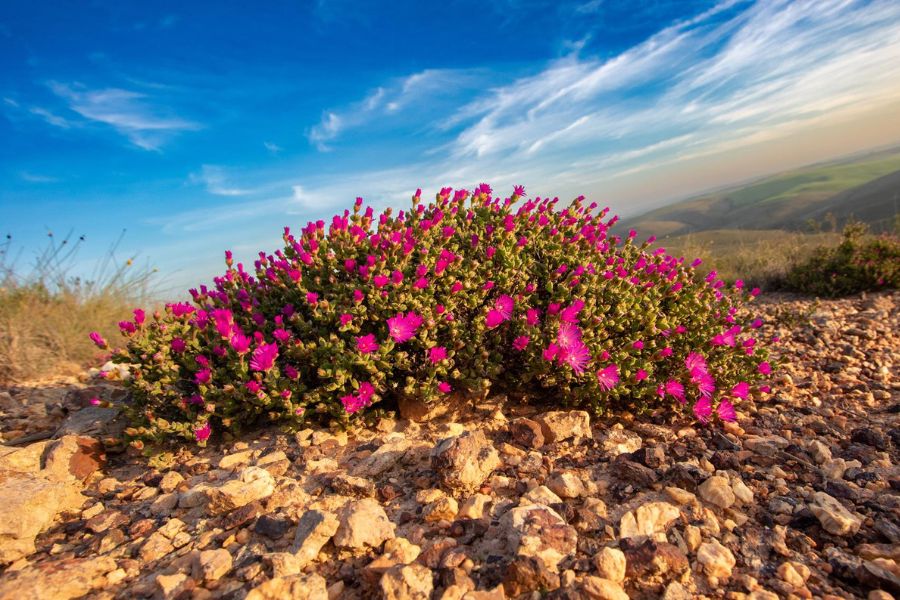
A new renosterveld daisy described
A new species has been added to the botanical inventory for our renosterveld. And it’s one that can only be found in the Overberg. The pretty daisy, Dimorphotheca overbergensis, was first identified as a potentially new species to science by the Overberg Renosterveld Trust team. In 2025 it was officially described.
READ MORE
Recognition for this secretive fish
The Overberg Renosterveld Trust doesn’t just focus on plants. Eight years ago, the team discovered a freshwater fish species in the Kars River – which has now been formally described as Pseudobarbus agulhas.
READ MORE
Last seen in 1875…
When Odette and Grant photographed a beautiful emerald moth on the wall of the Research Centre at the Haarwegskloof Renosterveld Reserve, they had no idea just how extraordinary the sighting was. Turns out, it’s a species not seen since 1875, and believed to have been extinct. READ MORE
A new partnership to benefit nature… beyond renosterveld
The ORT joined four other conservation NGOs to form the Overberg Conservation Alliance. Together with the Grootbos Foundation, Nuwejaars Wetlands Special Management Area, Fynbos Trust and Re:Wild, we are now supporting restoration in other parts of the Overberg. READ MORE
WHAT’S AT STAKE:
When connections are lost
The conservation wins celebrated in this report are important steps towards securing a future for renosterveld. But despite these advances, enormous challenges remain. Renosterveld remains highly fragmented, and many of the ecological connections that sustain life within it are under pressure. Protecting individual fragments is not enough; we must continue working to restore and strengthen the connections that support ecosystems and species.
% of renosterveld remains
fold increase in wind farm approvals predicted in less than two decades
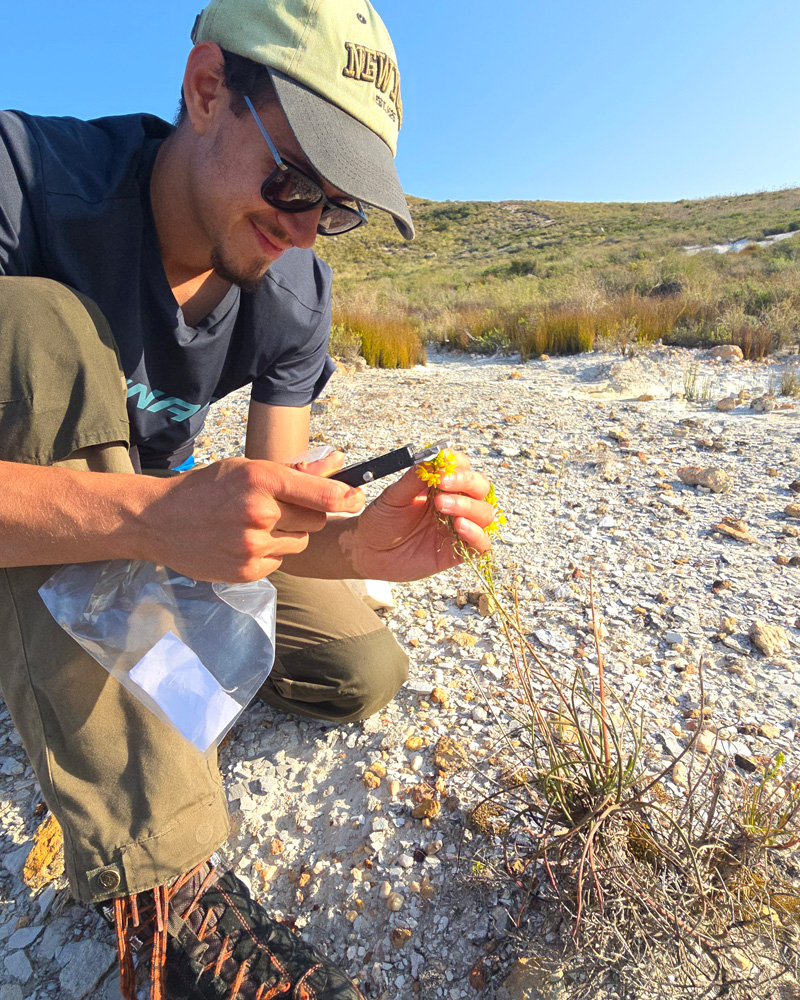
An invisible crisis in renosterveld
It’s easy to be fooled into thinking that despite the immense loss imposed on renosterveld, all is well from a botanical perspective. But we are observing only a tiny window in time and extinction can take longer due to lags in responses – something known as paying the extinction debt. READ MORE
Lack of direction on wind farms
Renewable energy is vital if South Africa is to address a changing climate. But currently wind turbines are one of the biggest threats facing renosterveld flagship species such as Black Harriers. What’s more, there’s little direction from government on how to handle mitigation. READ MORE
Quartz islands – under threat
Quartz islands may be small in size, but studies by PhD student Alexander Bürger has found they play an essential role in plant diversity in renosterveld, and they deserve much greater attention in conservation planning. READ MORE
THE HIDDEN WILD:
Discovering connections we don’t often see
Not all the stories of renosterveld are immediately visible. Some play out under the cover of darkness. Others take place beneath our feet or among flowers so small they are easily overlooked. Yet these hidden species and behaviours form an important part of the ecological connections that support life in renosterveld. This year, the ORT continued to explore and share some of these remarkable discoveries.
The aardwolf’s evening activities
Our Haarwegskloof Reserve Manager Amauréé Jansen van Vuuren introduces you to some of this renosterveld resident’s fascinating habits. WATCH HERE
READ MORE
Looking into the life of the aardwolf
Aardwolves have long been resident on the Haarwegskloof Renosterveld Reserve. Recently, we were fortunate to gain some insight into their secretive behaviour.
READ MORE
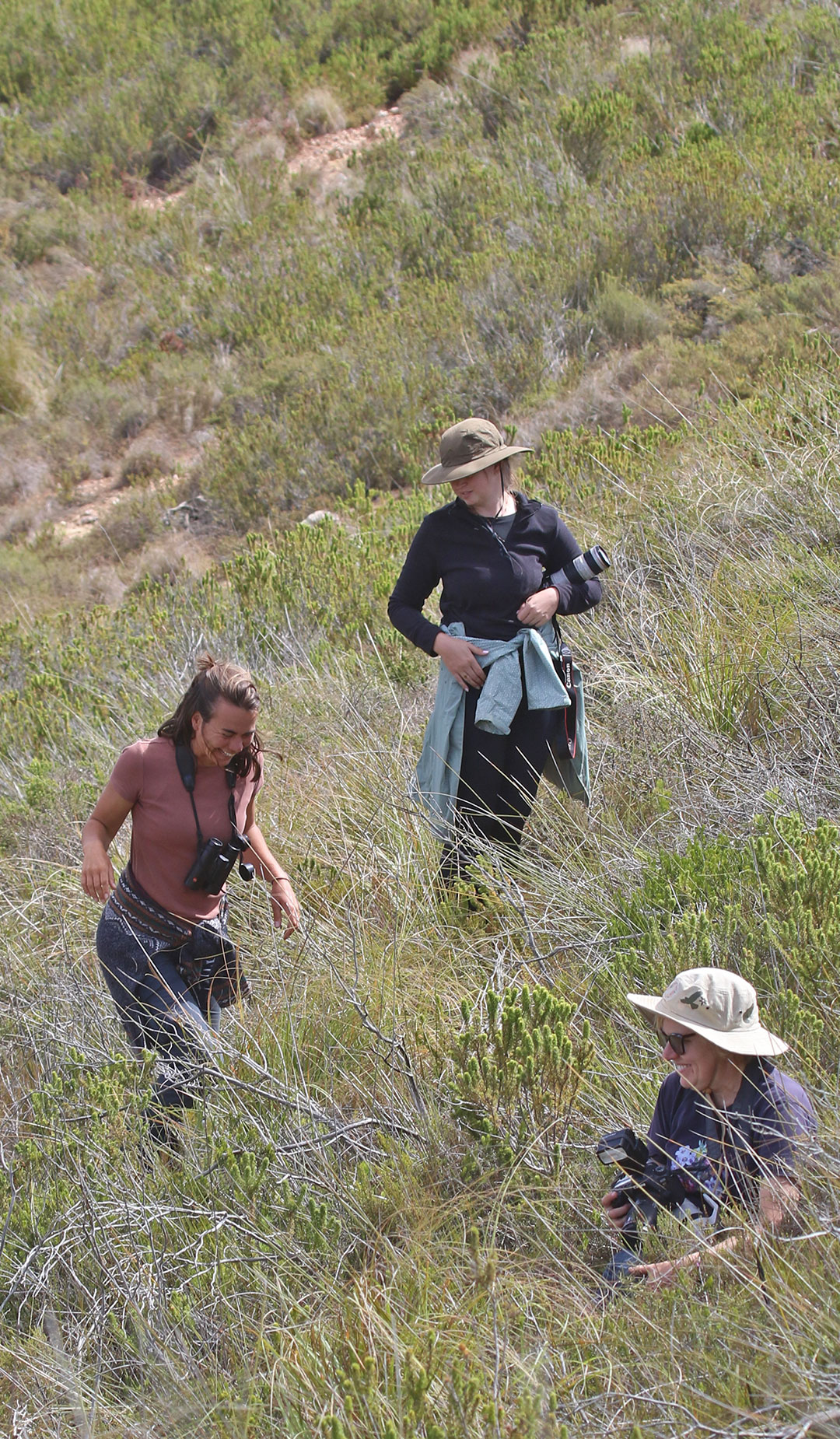
Spotted during the Great Southern Bioblitz
The ORT’s dedication to uncovering renosterveld’s incredible diversity – even the tiniest species – helped the Trust play a key role during the 2025 Great Southern Bioblitz. READ MORE
A most remarkable creature
We’ve developed a new obsession – a tiny creature almost impossible to spot with the naked eye. WATCH HERE
FOLLOWING THE FLIGHT: Protecting species that depend on connections
Black Harriers rely on renosterveld to survive. That’s why in 2020, the ORT started studying these special raptors more intensively (the ORT’s establishment is in fact linked to these special raptors) – being a flagship species for fynbos and renosterveld conservation. At the end of 2025, the Black Harrier was voted Birdlife South Africa’s Bird of the Year. In 2026, the ORT, working with relevant partners, launched a major campaign to raise awareness of the plight of Black Harriers, of which fewer than 1 200 individuals remain.
In the past year:
new adults tracked via GPS tags
fledglings tracked via GPS tags
juveniles survived to date
nests monitored
nests successful
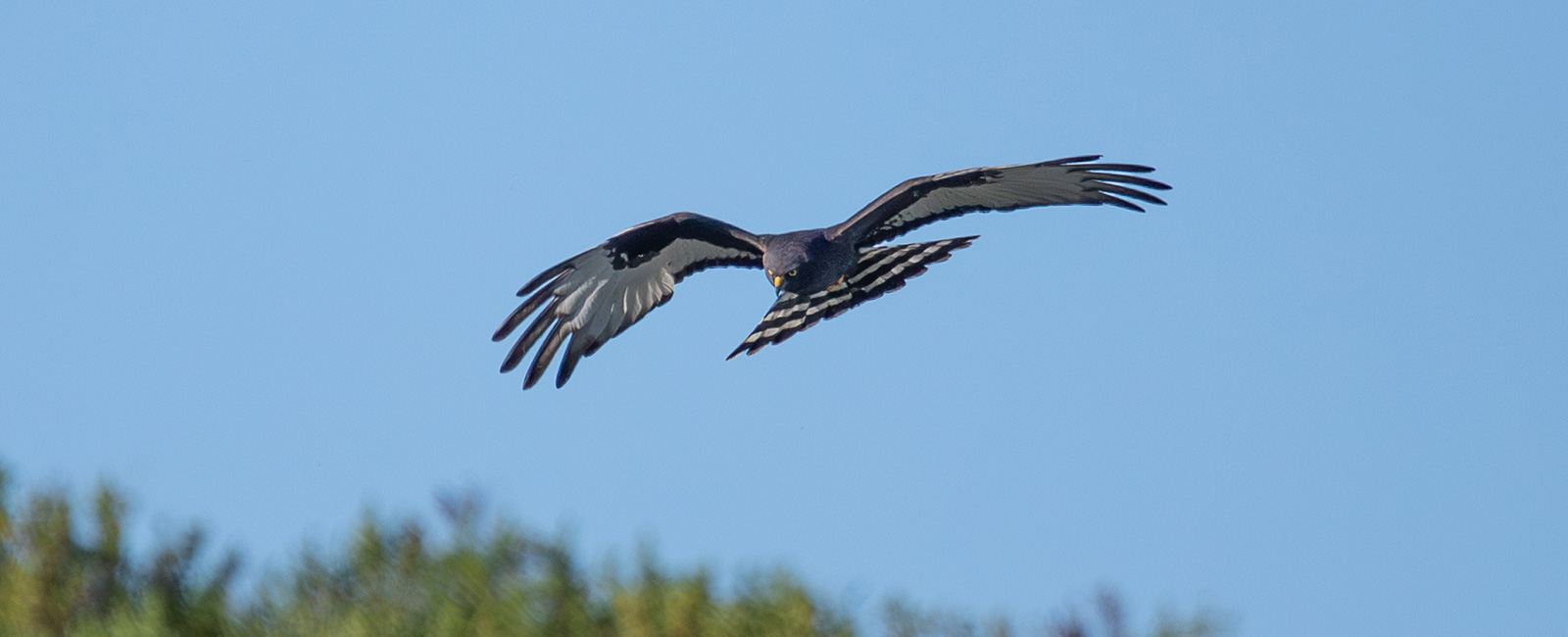
In total:
Black Harriers tracked by the ORT with GPS tags
Black Harrier Task Force partners
harriers tracked by ORT and partner Rob SimmonS in total
Tracking Black Harriers
reveals a harsh reality
The ORT began tracking the perilous journey of juvenile Black Harriers in the past year – by fitting GPS tags to them for the first time. The tags showed us just how low the survival rate is of these raptors in their first year. READ MORE
A first ever: Watching Black Harriers on their nest
Toni Hoenders of the Dutch Montagu’s Harrier Foundation, working with the ORT team as a volunteer once again, hid a small camera close to a few Black Harrier nests, to capture the role of the fiercely protective parents, and the caring cooperation – but sometimes sibling rivalry.
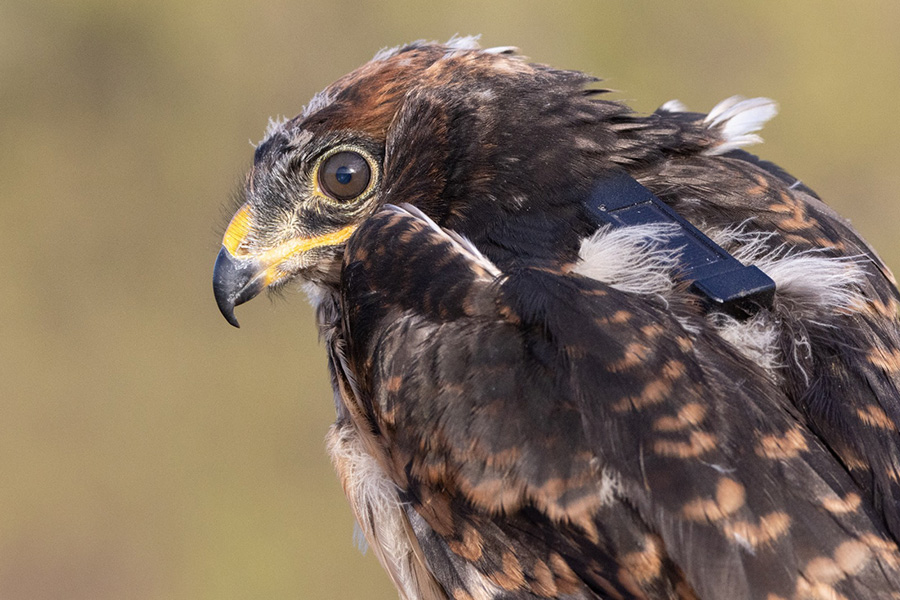

A partnership evolves to protect harriers
The Black Harrier Task Force is a collaborative group of conservation organisations and scientists focused on the conservation of Black Harriers. Together they have now developed resources to showcase the Bird of the Year, including a new website.
SUPPORT BLACK HARRIER CONSERVATION & GET INVOLVED WITH BOTY 2026

For We Are Few
The ORT and friends have published a beautifully illustrated book, telling the tale of nature’s treasures and perils in a way that is accessible and enjoyable for both children and adults.

Black Harrier plushie
The ORT and Birdlife South Africa have teamed up to bring to life a Black Harrier plushie – a soft toy to bring joy to kids, and to raise awareness and funds for conservation.
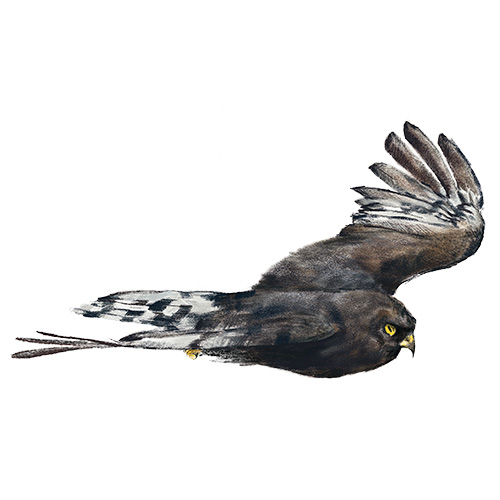
Discovering harriers in the classroom
Birdlife South Africa has drawn on the experience of the ORT to develop a series of lesson plans for Gr 4-6.
EXPERIENCING RENOSTERVELD:
Encouraging renosterveld connection
There are still a handful of special places left where one can enjoy renosterveld. One such place is our Haarwegskloof Renosterveld Reserve, the home of the ORT. The reserve not only brings researchers together here to study renosterveld, it also serves as a space for visitors, both local and international, to slow down and enjoy these natural landscapes. But in the past year, the Trust went a step further: transforming the reserve into a fun learning place through our retreats, and fostering a new generation of renosterveld warriors through our Veld School programme.
children reached through our Veld School
schools visit Haarwegskloof
retreats held at Haarwegskloof
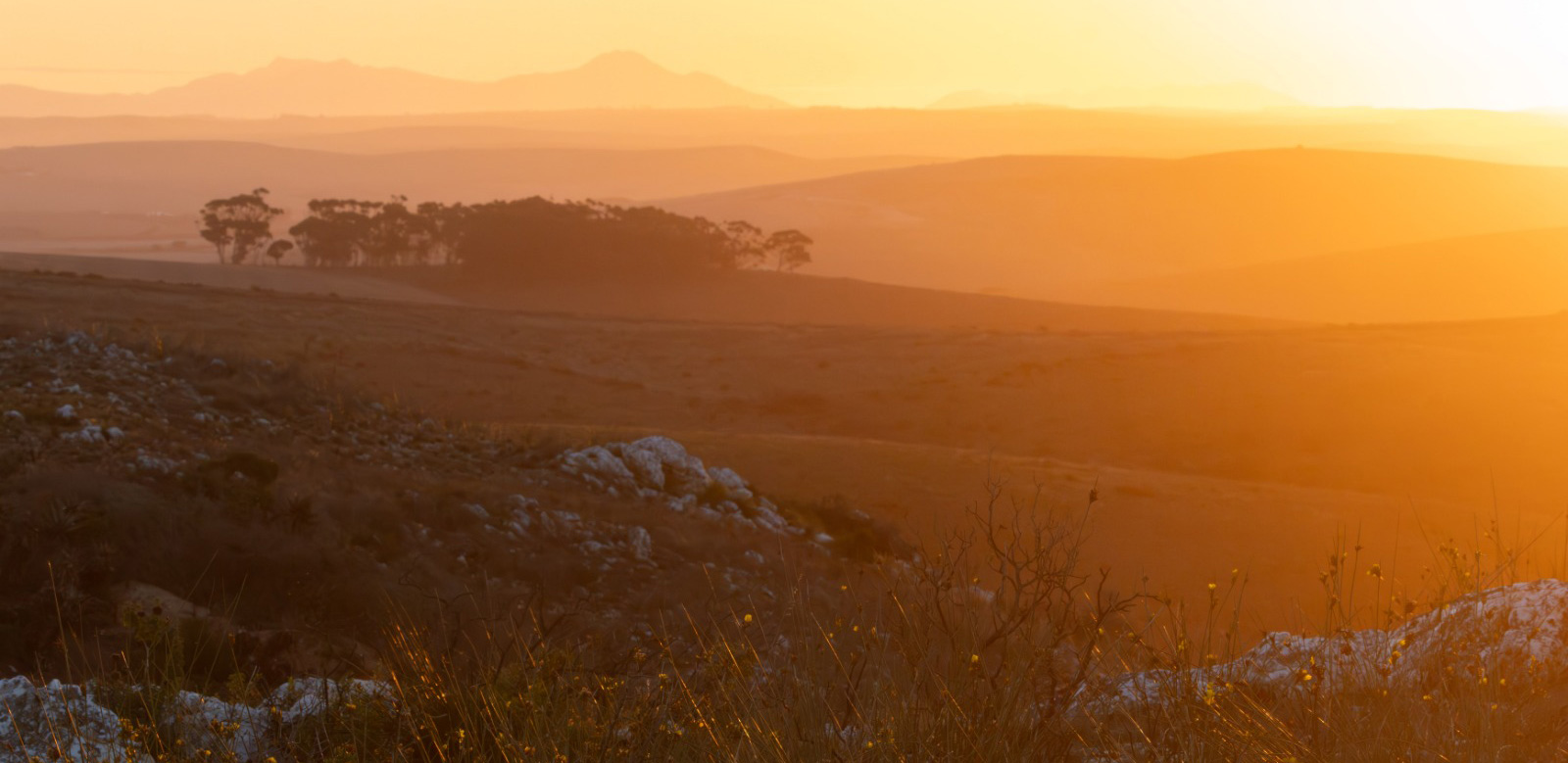
THE HOME OF RENOSTERVELD: Haarwegskloof Renosterveld Reserve
Combining nature and learning through our series of retreats
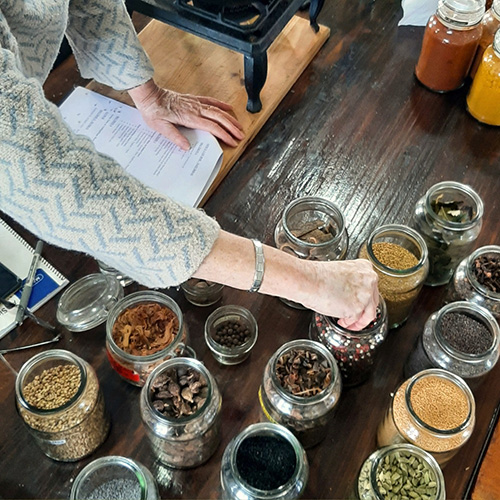

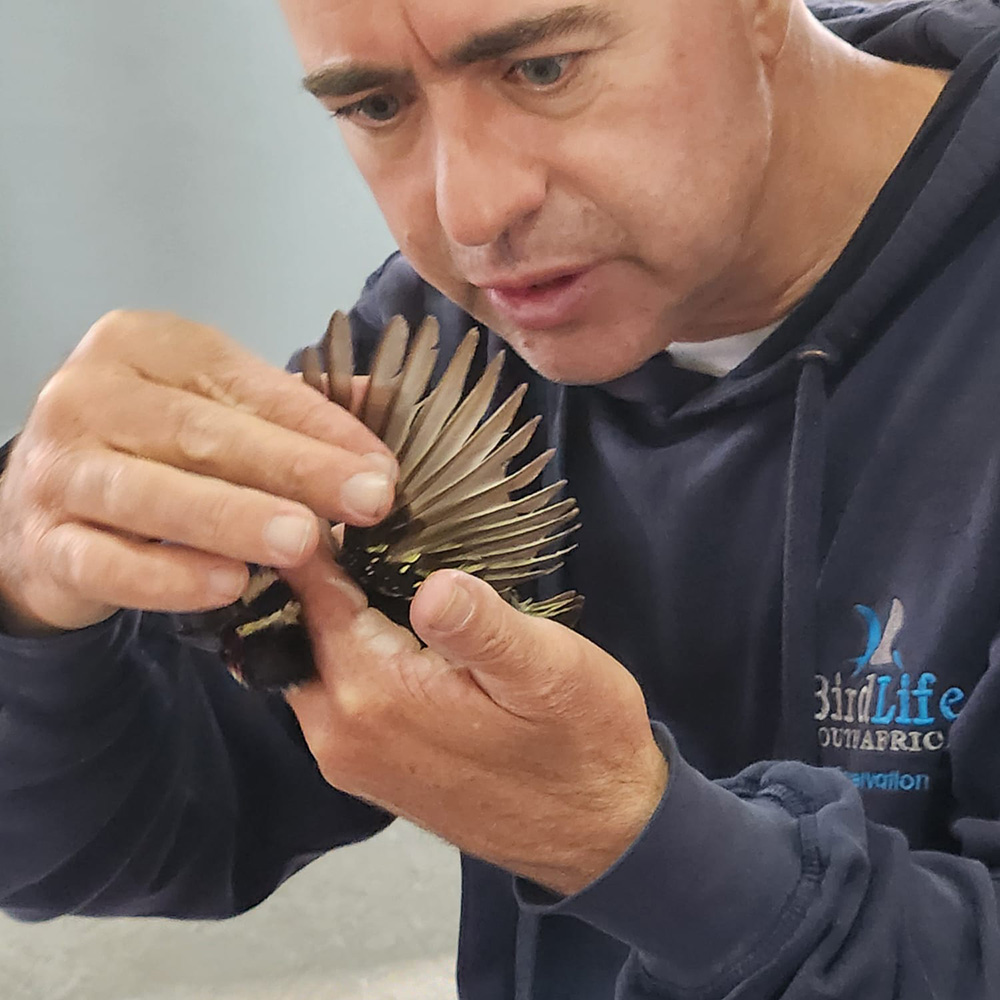
A weekend of fire & spice
A joyous weekend of cumin, coriander, cardamom and clove – accompanied by wonderful wines and nature walks. READ MORE
Seeing nature through new eyes
Experiencing the majesty of renosterveld through a camera lens, guided by wildlife photographer Thinus van Staden. READ MORE
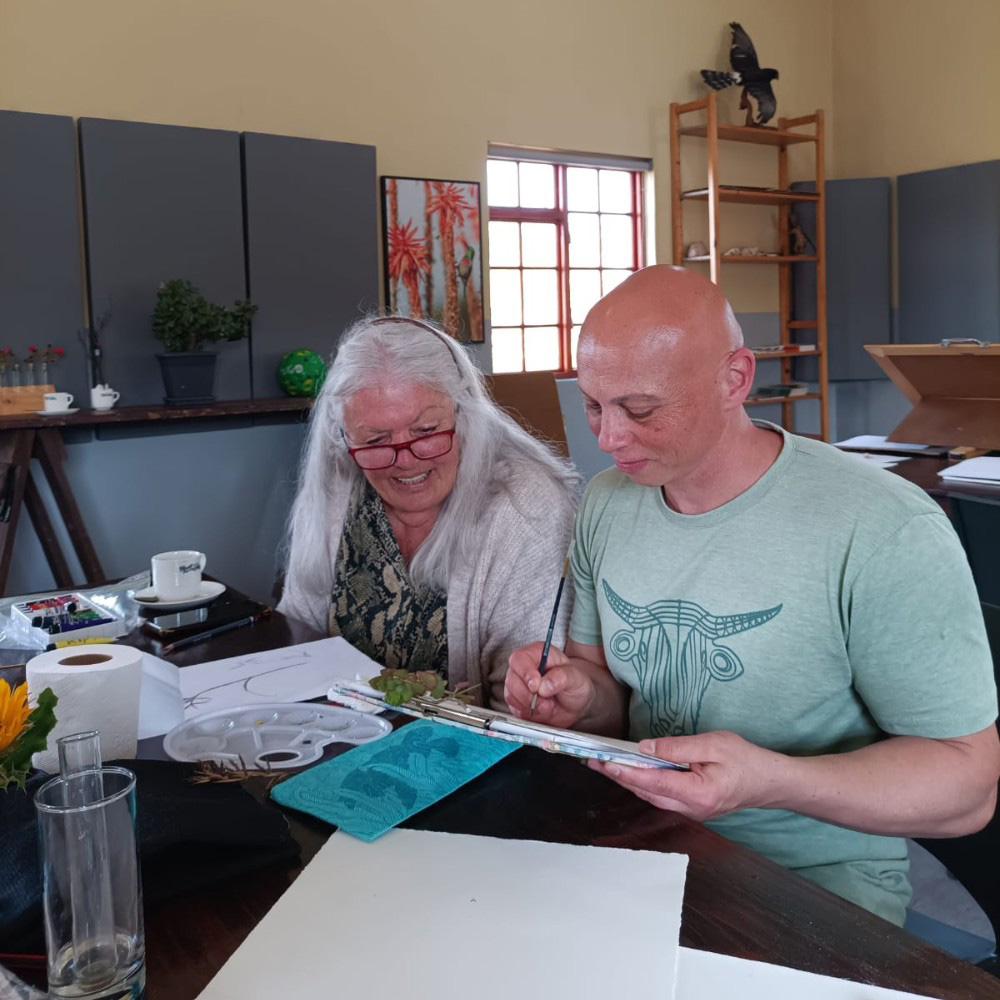
Where art & nature meet
Two retreats catered for botanical artists, who could bring renosterveld alive via illustrations guided by award-winning artist Willie Schlechter. READ MORE
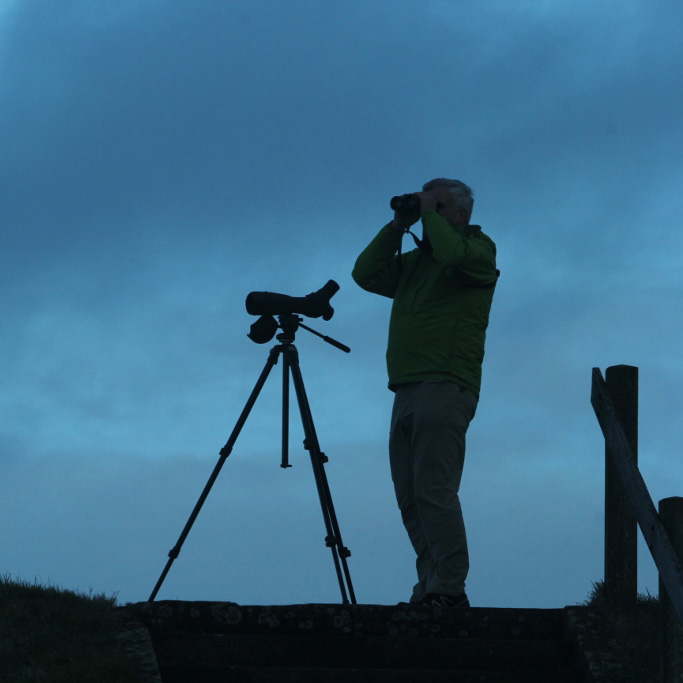
A weekend of birding
A retreat led by conservation biologist Dr Alan Lee, to get nature lovers birding with purpose and enjoying the renosterveld birds. READ MORE


Young birders discover renosterveld’s feathered wonders
A group of young birders from the Cape Bird Club discovered just how special Haarwegskloof Renosterveld Reserve is during a birding weekend. READ MORE
READ MORE
Our Veld School fosters new renosterveld champions
In the past financial year, through our Veld School, 12 schools visited our reserve to learn about renosterveld. The schools were mostly local rural schools, including Klipdale Primary School, Kluitjieskraal Primary School and Protem Primary School. The Veld School visits are organised by our Reserve Manager Amauréé Jansen van Vuuren, with classes led by experienced Environmental Educator Gretha Engelbrecht.
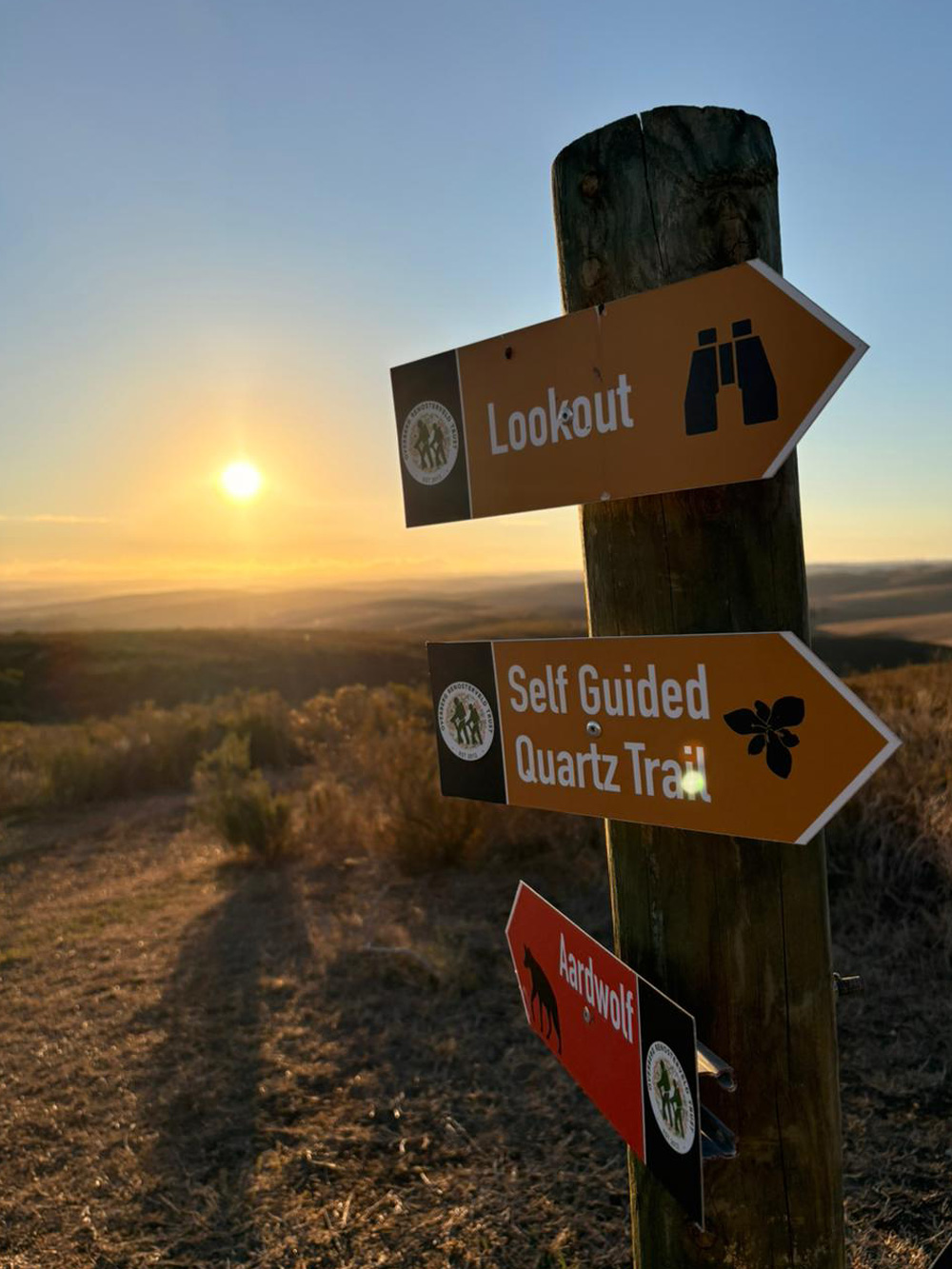
Four new reasons to visit our reserve
Conservation begins with connection. This year, we created four new ways for people to experience the Haarwegskloof Renosterveld Reserve by launching a network of hiking trails, including the Aardwolf and Black Harrier Trails. These walks offer the chance to connect with one of the world’s most threatened ecosystems. DISCOVER OUR OFFERINGS
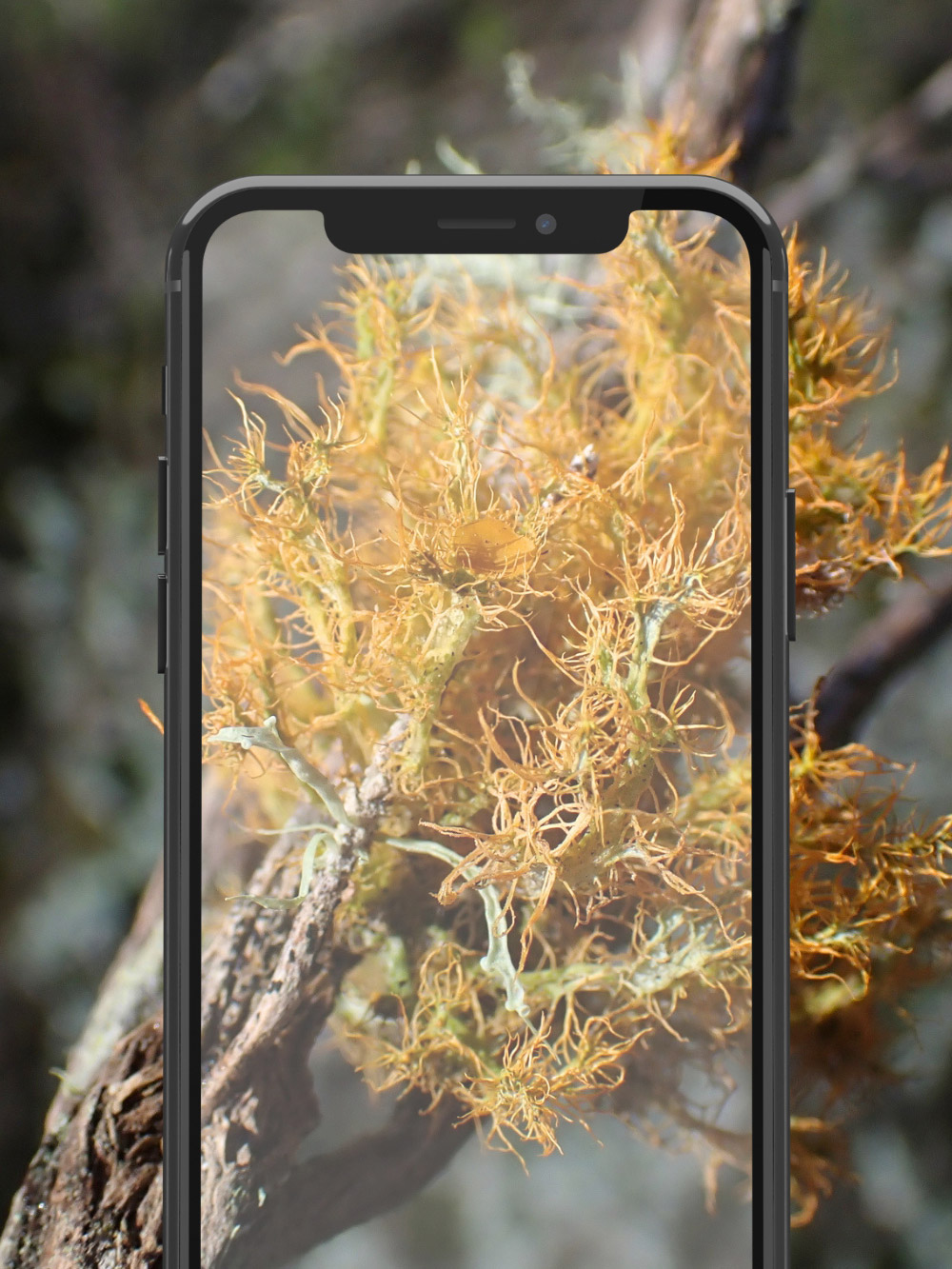
App update: Growing our featured species
The ORT team launched the Field Guide to Renosterveld of the Overberg app in 2024. In 2025 the app received a major update: around 600 new species were added, including an entire section on lichens. READ MORE
READ MORE
A Plant Smart Search
The app update also included new Plant Smart Search functionality – a new option that helps users identify the renosterveld species they are looking at.
THROUGH THE LENS: Capturing the connections
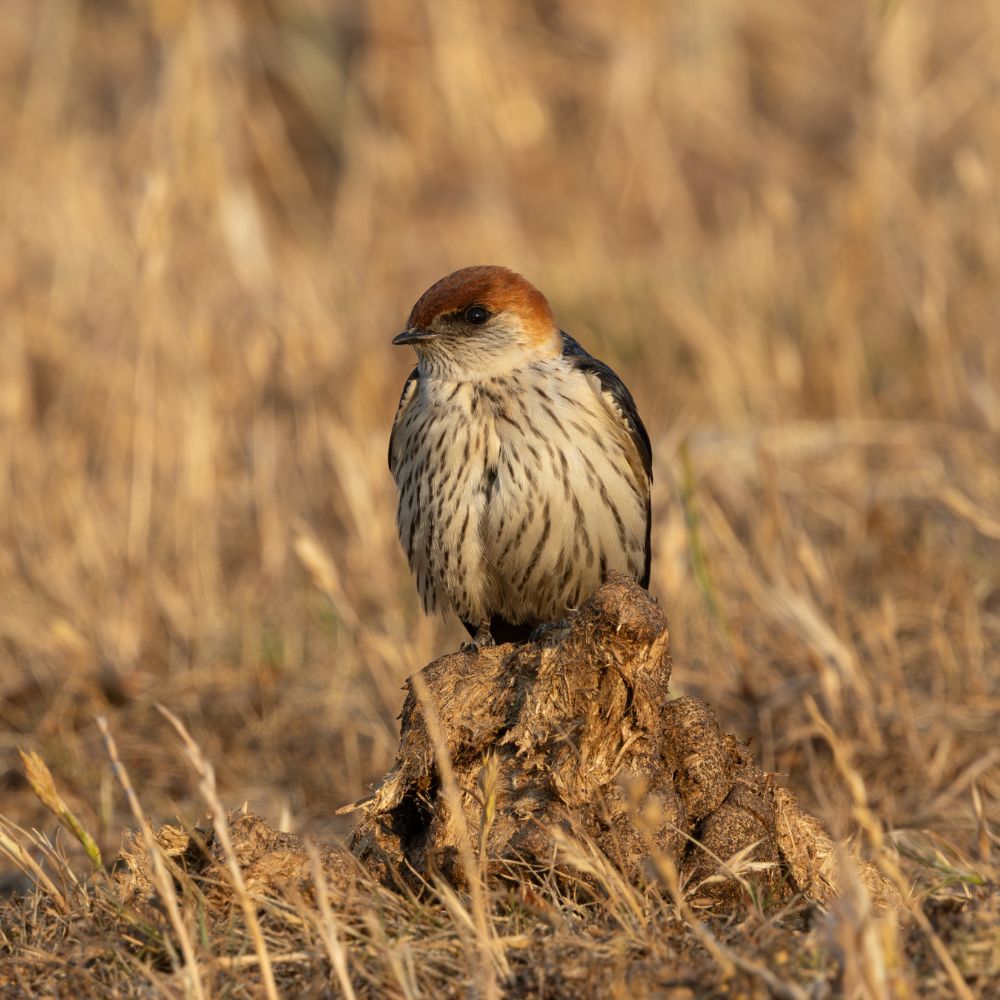
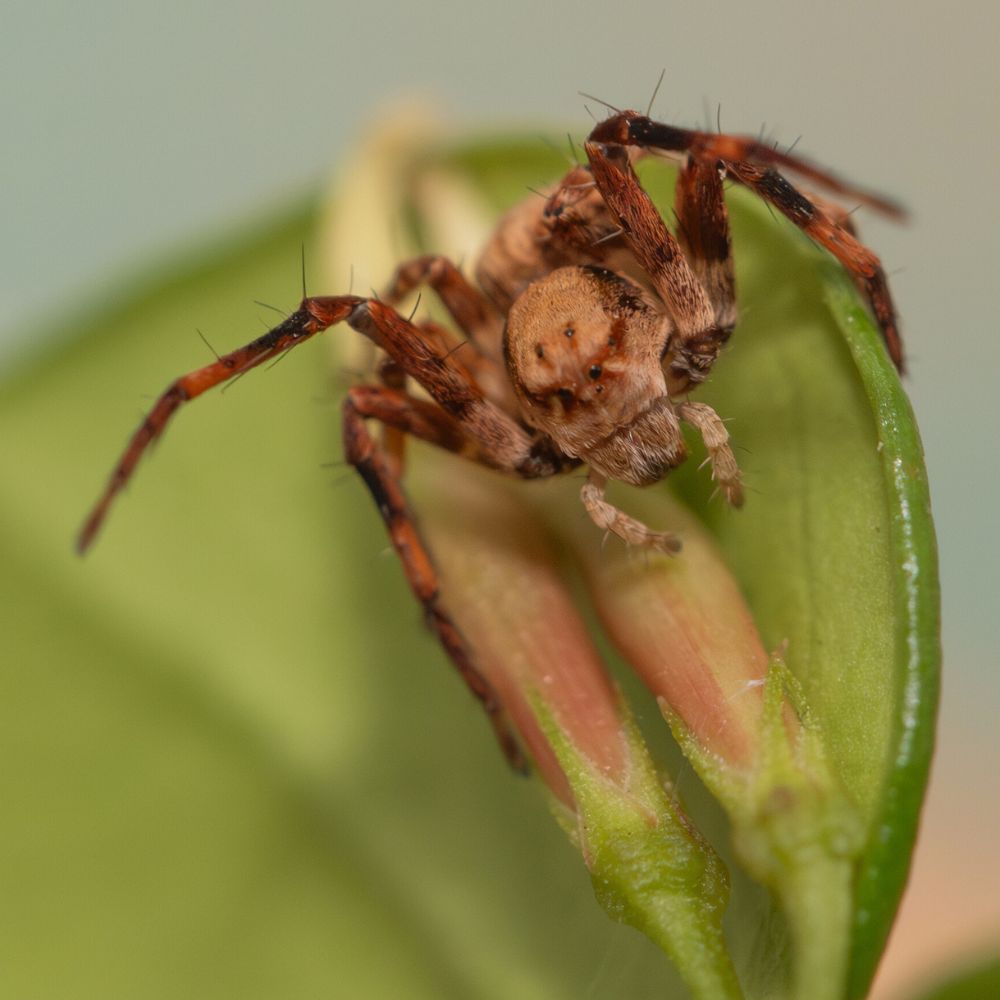
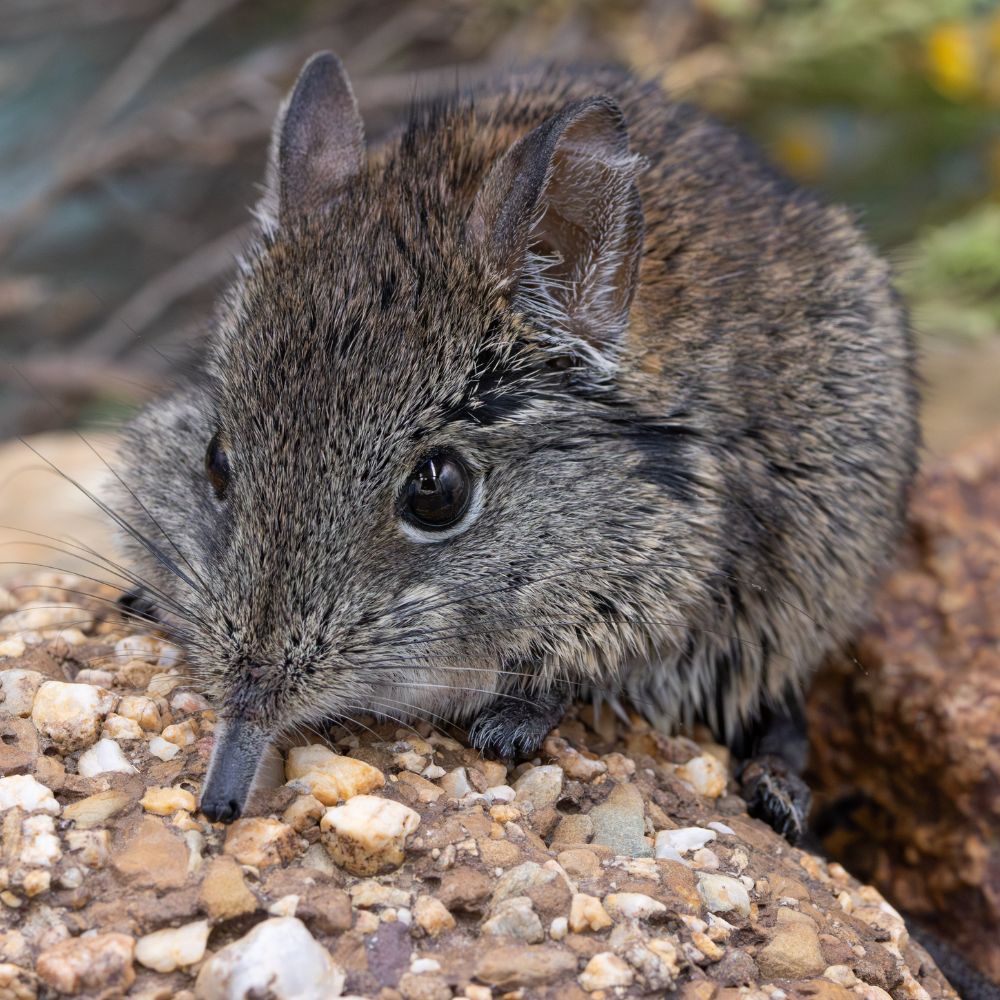
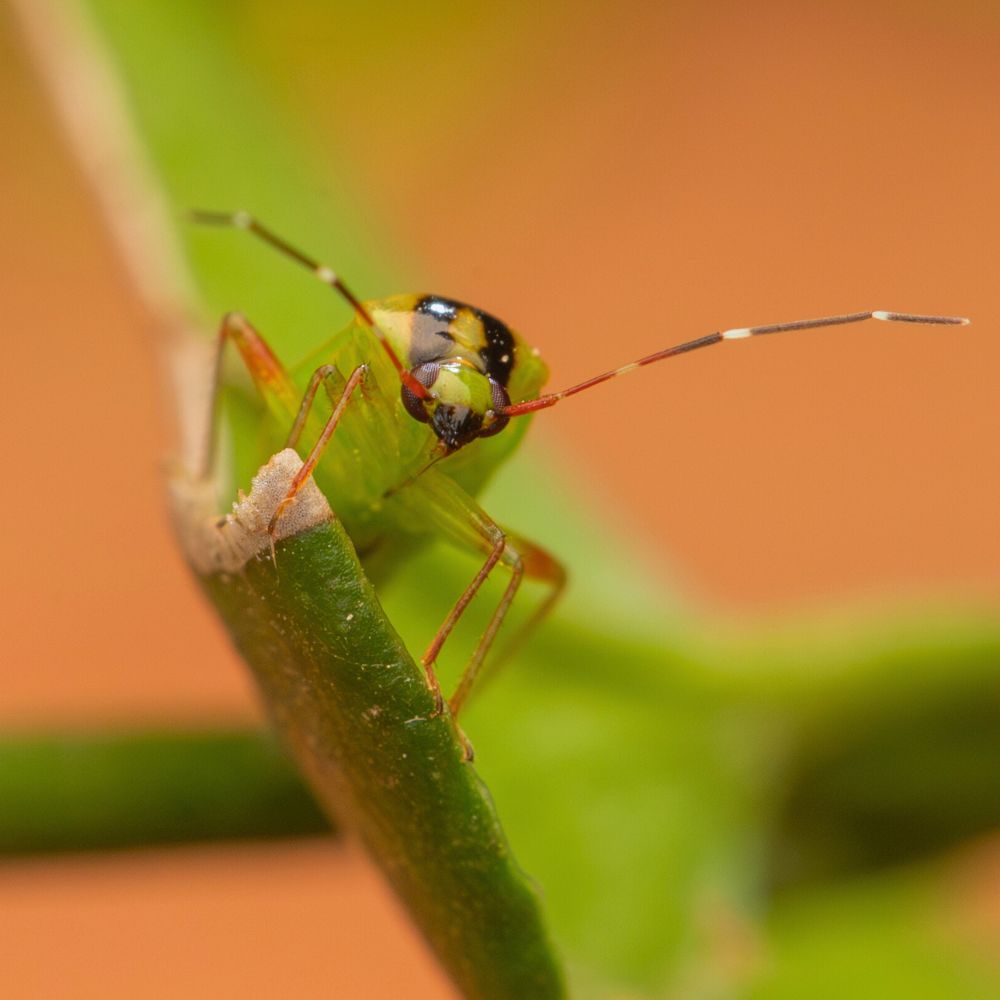
What better way to appreciate the diversity of renosterveld than through the lens of a camera? That’s why ORT team members always have their cameras on hand, and they capture the renosterveld plants and wildlife – from the smallest springtail to the biggest bushbuck. These images not only celebrate the wildlife that calls renosterveld home, but also help landowners, supporters and visitors better understand the landscapes they are helping to protect.
Great Southern Bioblitz sightings
The ORT team participated in the Great Southern Bioblitz in 2025 – a long weekend where our ORT team photographed as many different species as possible. Enjoy some of the sightings.
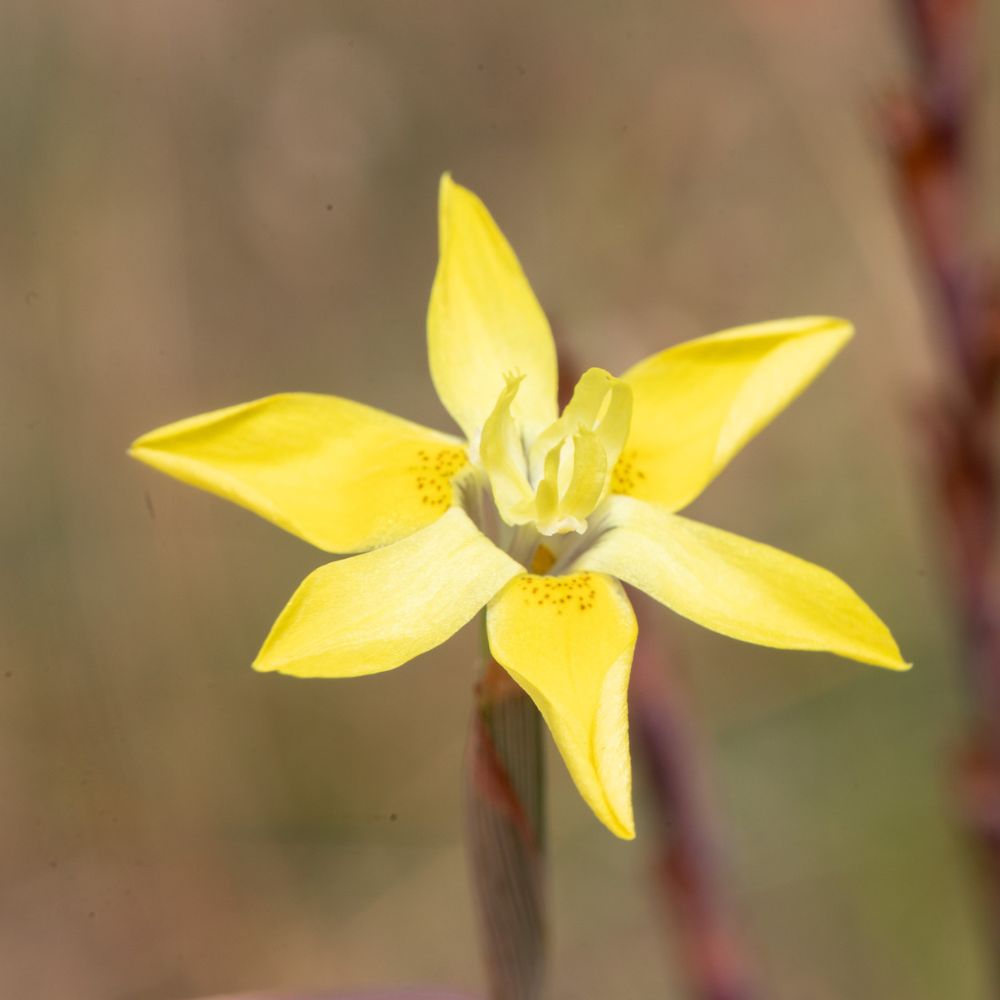
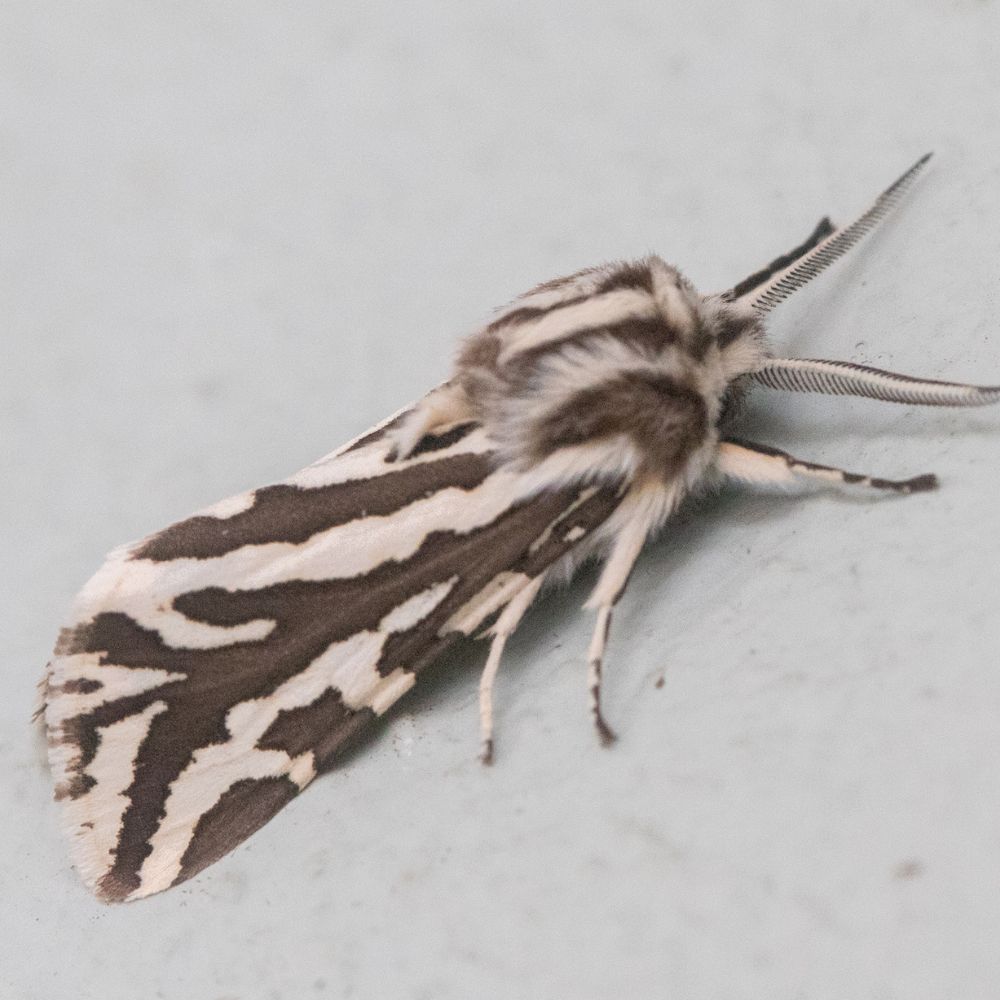
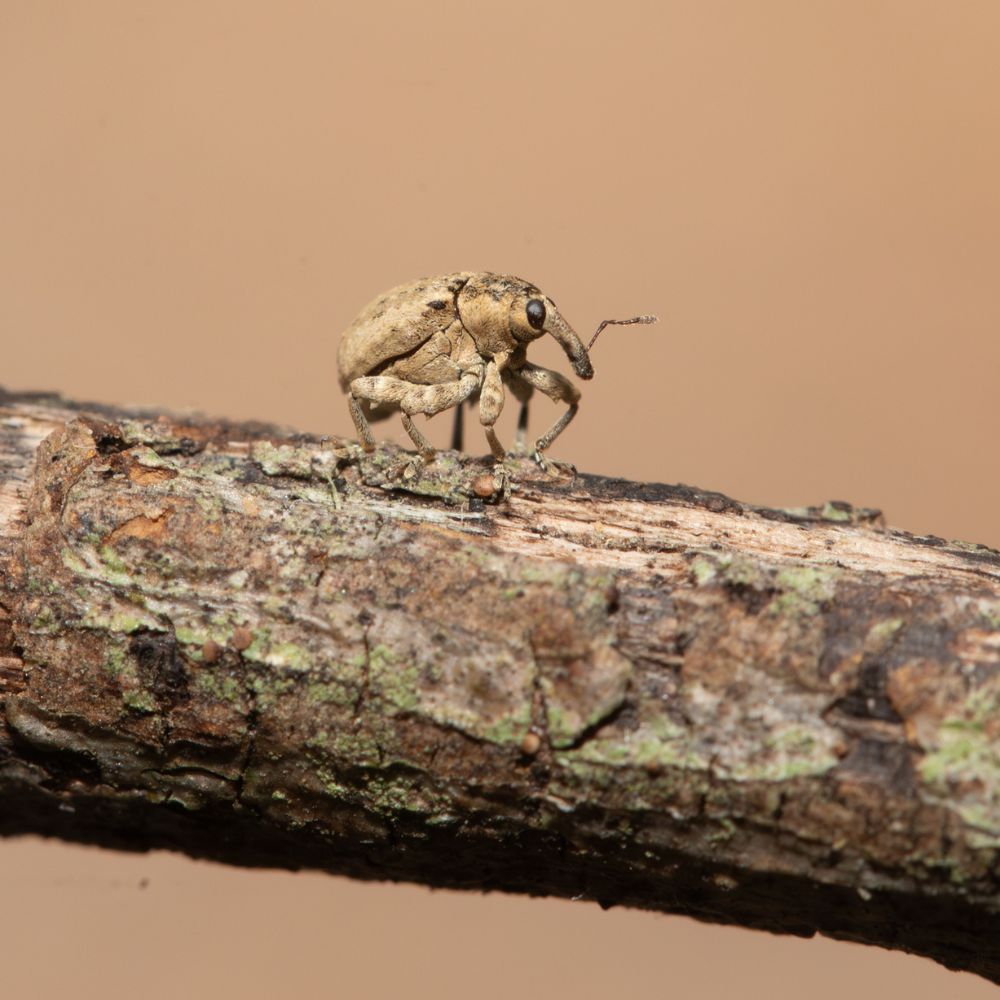
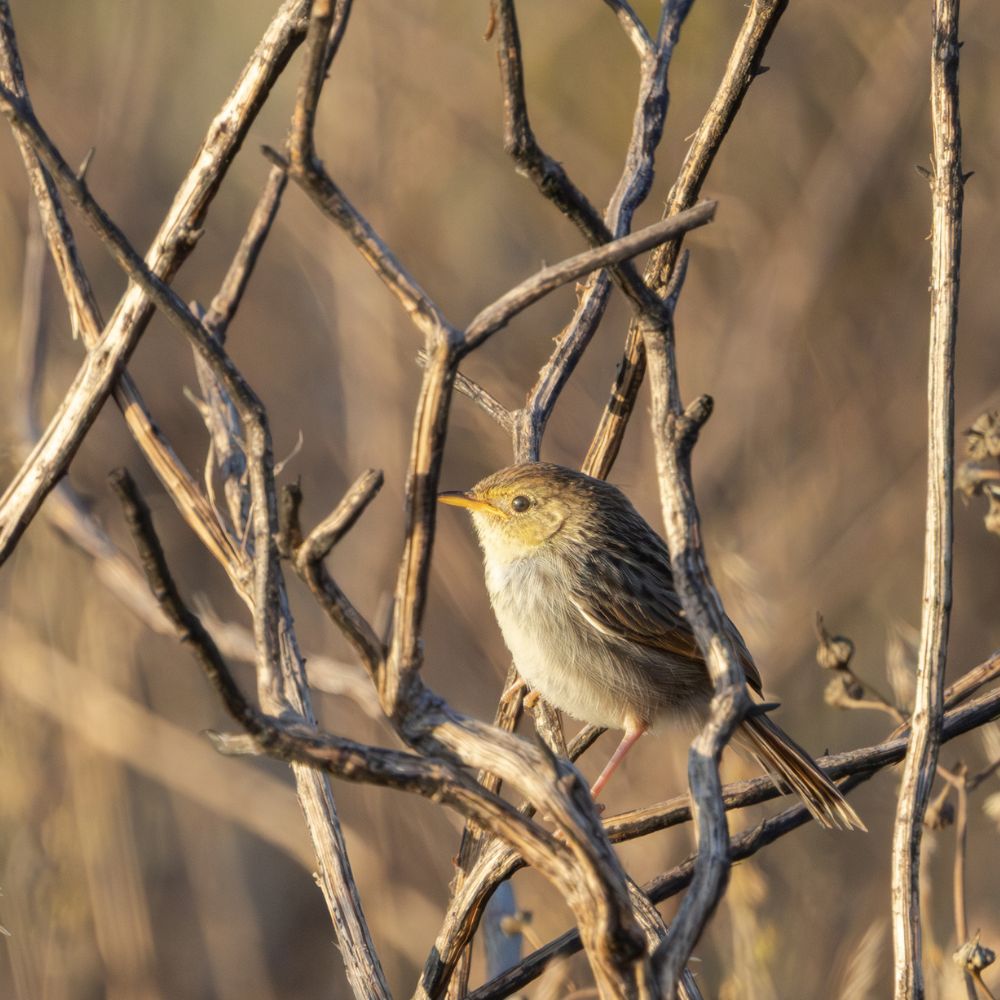
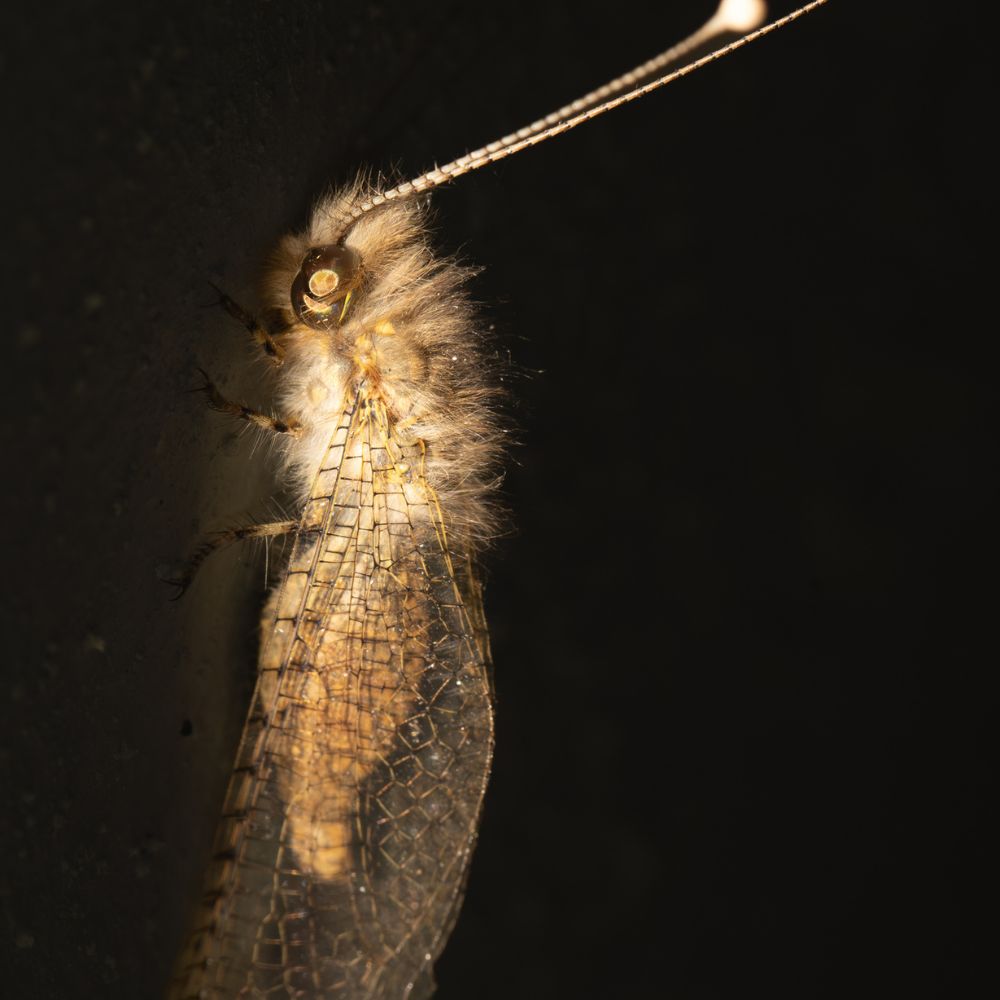
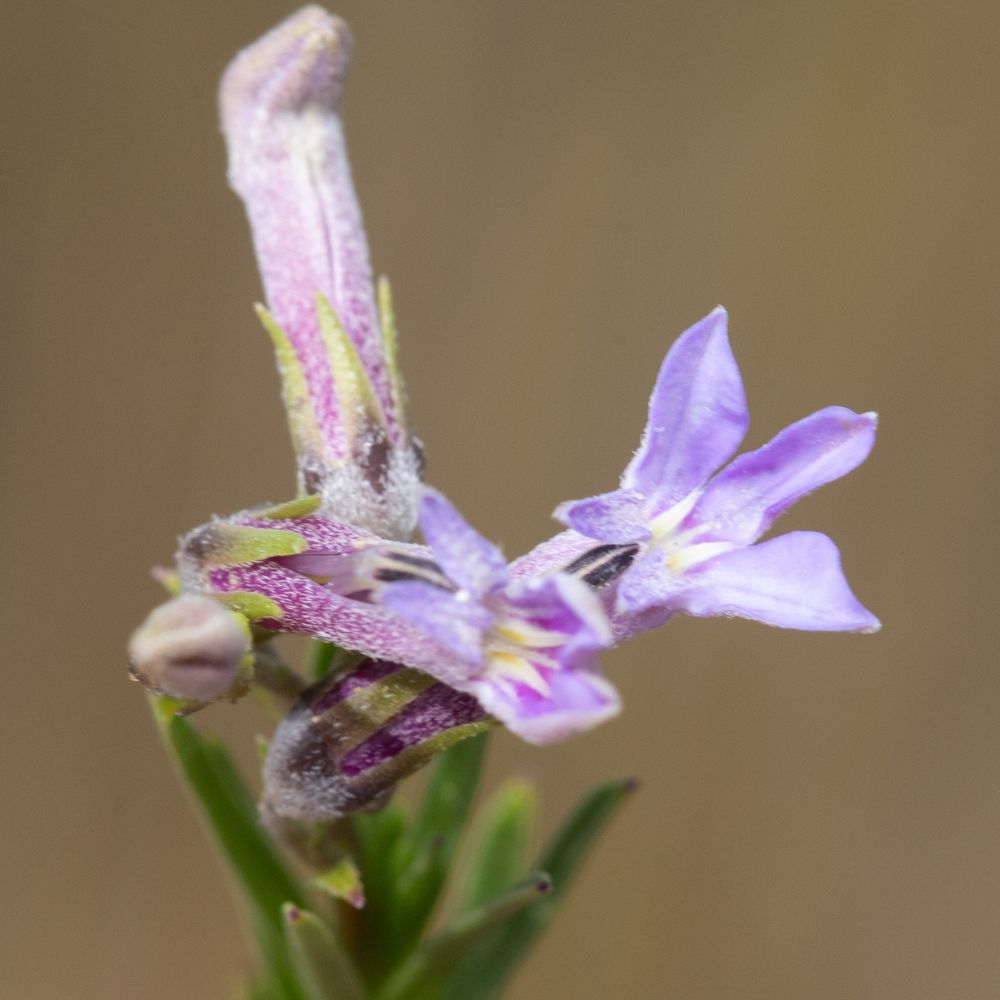
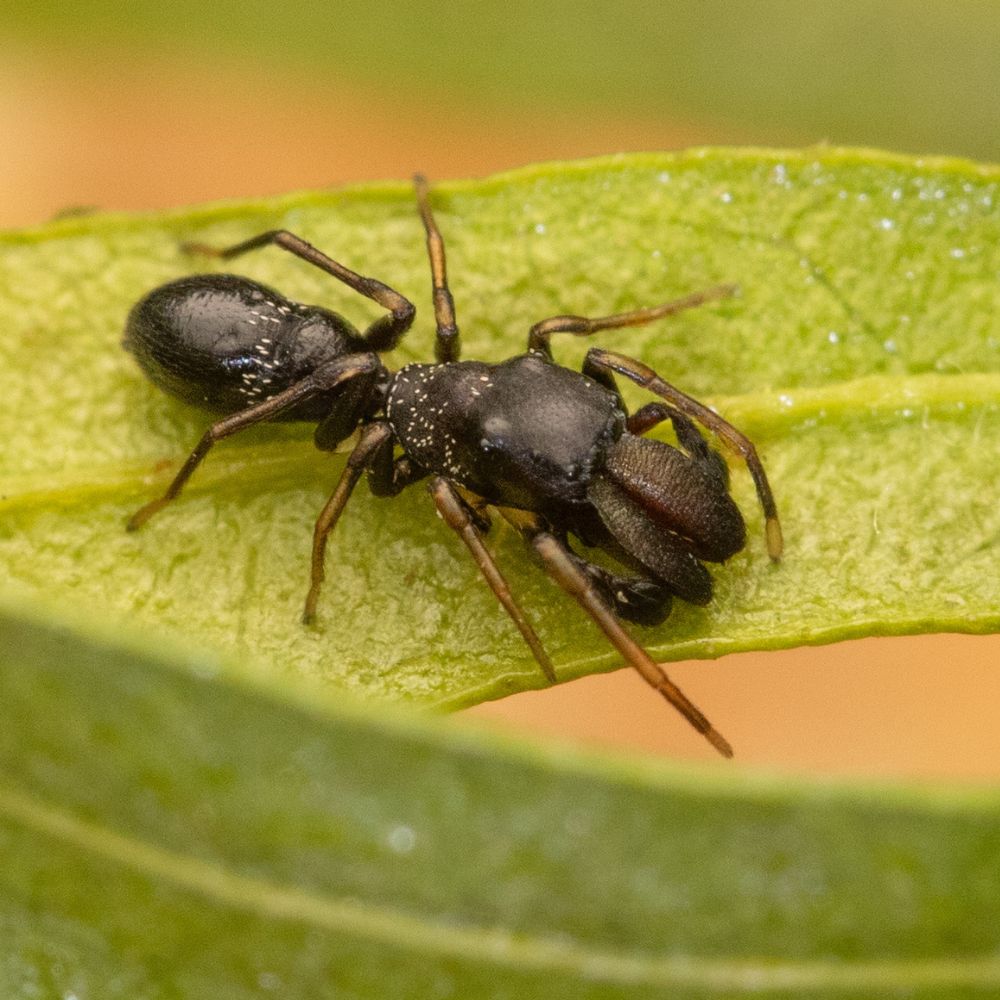
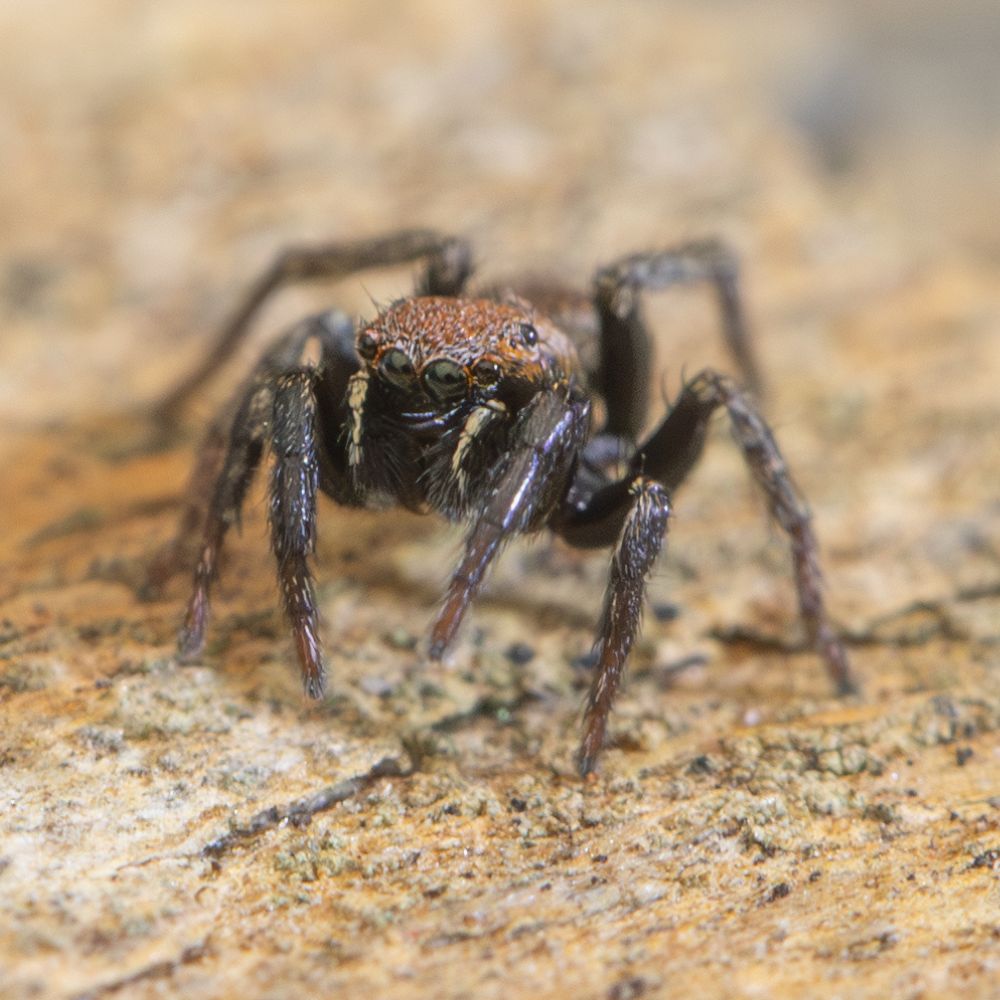
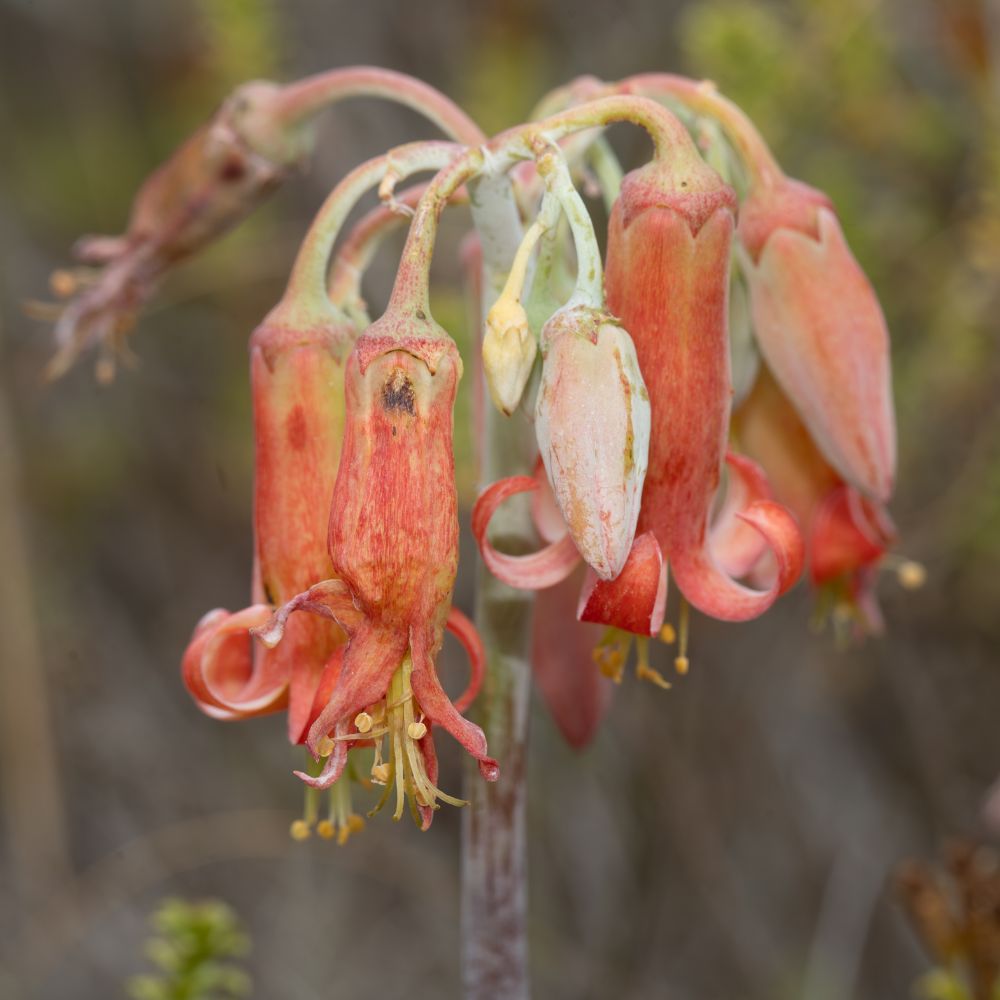
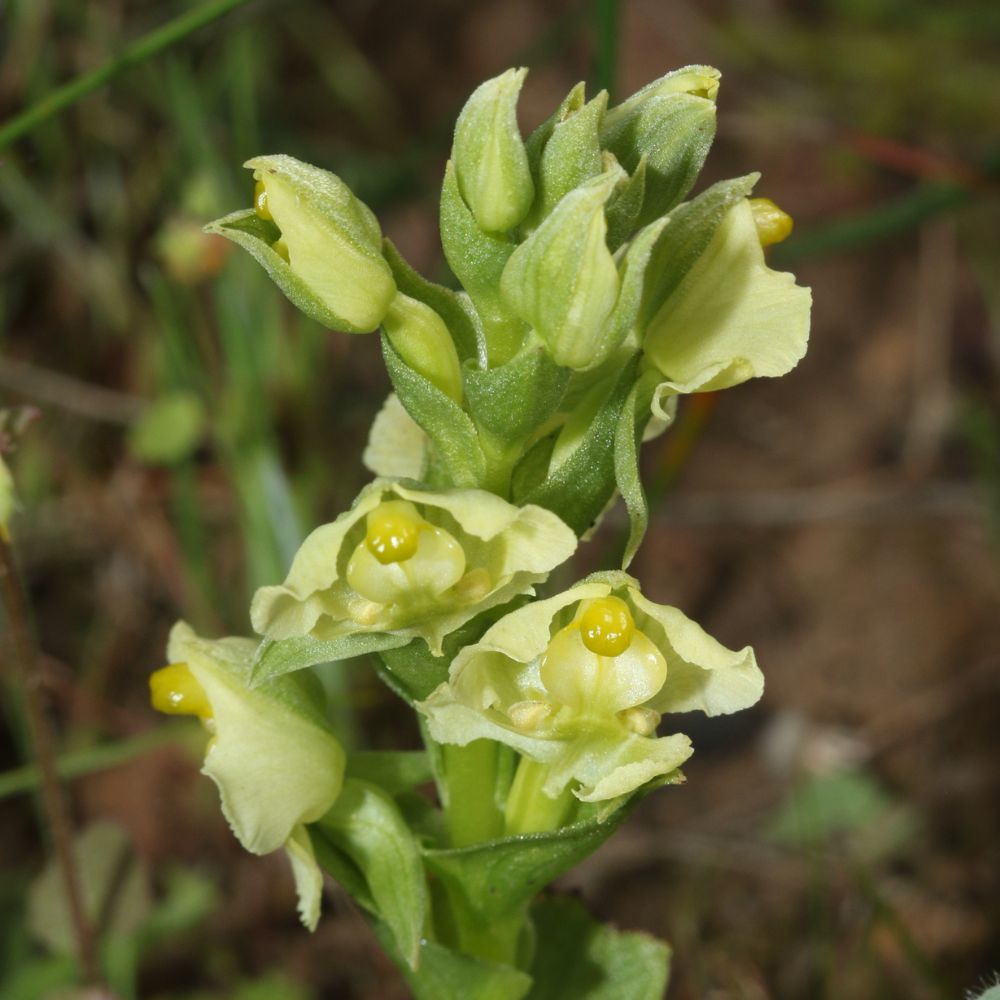
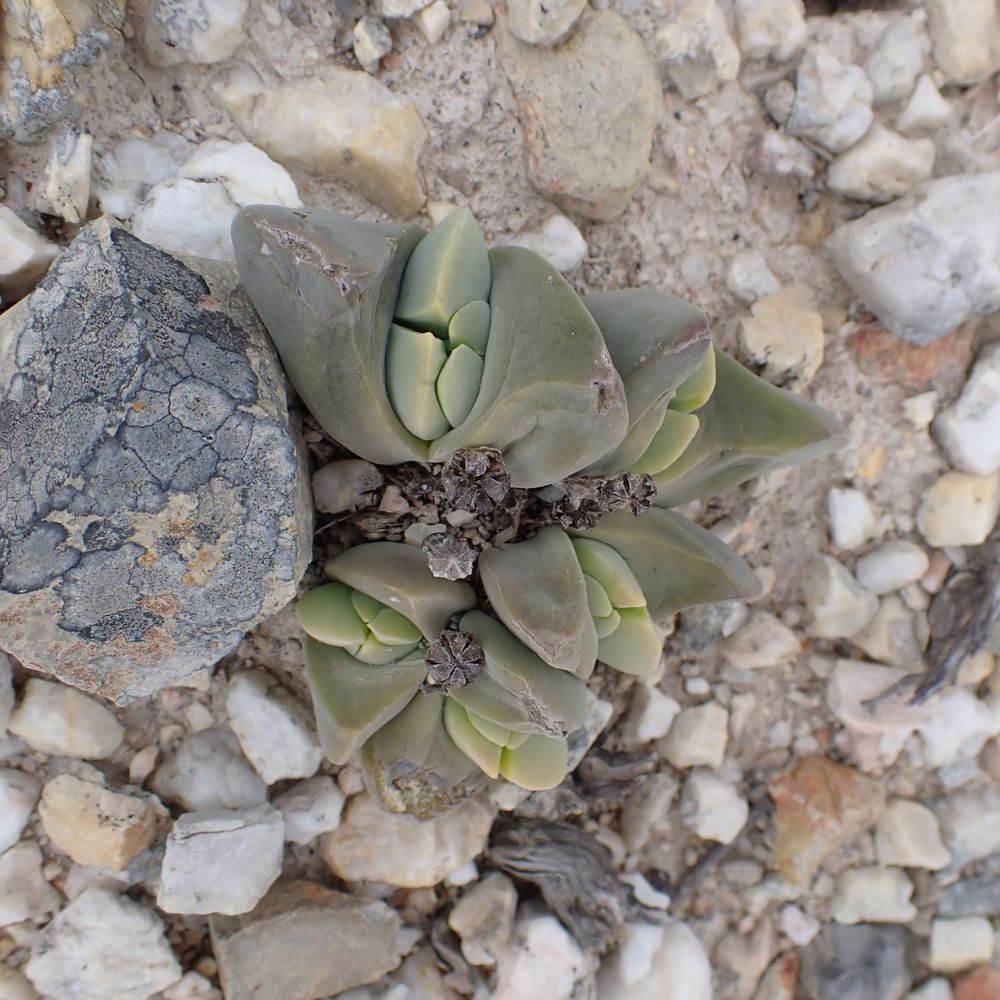
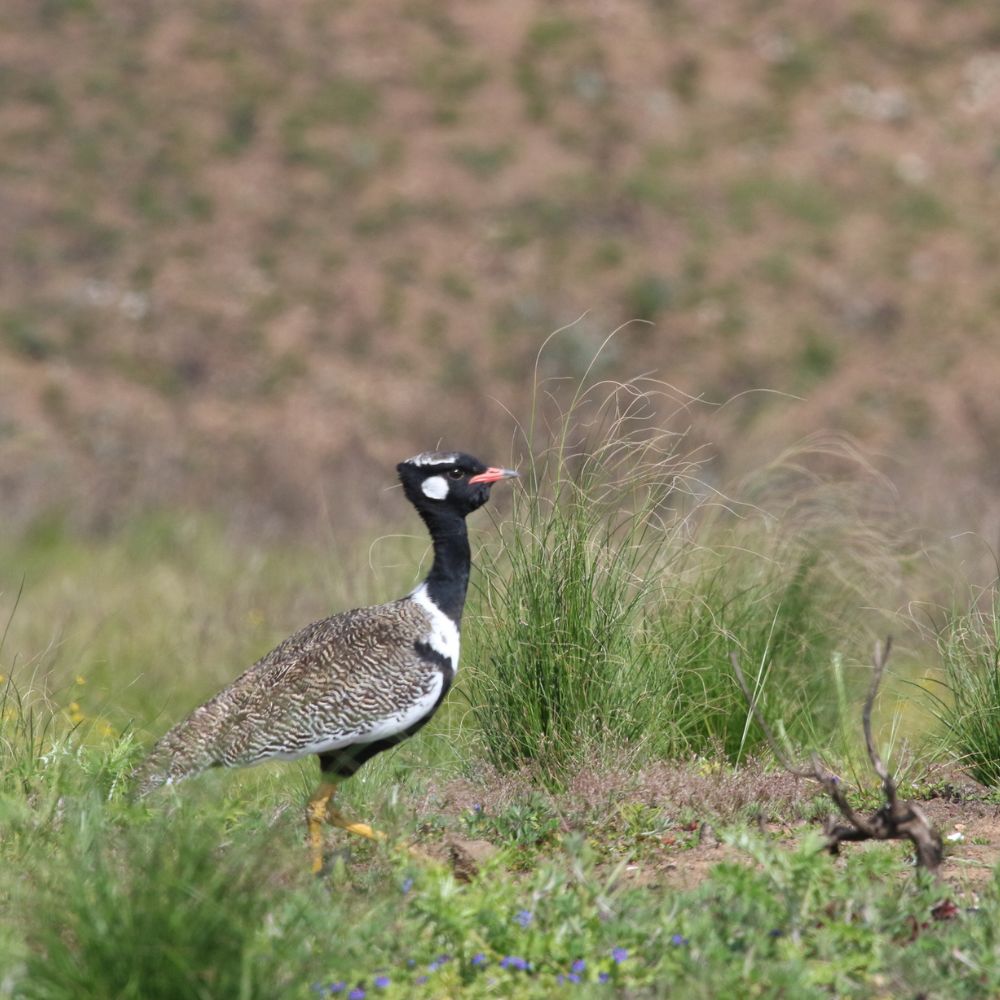
What our camera traps captured
Our conservation team strategically places camera traps in renosterveld remnants across the Overberg. And these cameras never disappoint – bringing to life all the incredible wildlife that relies on renosterveld.
Unearthing the world of renosterveld
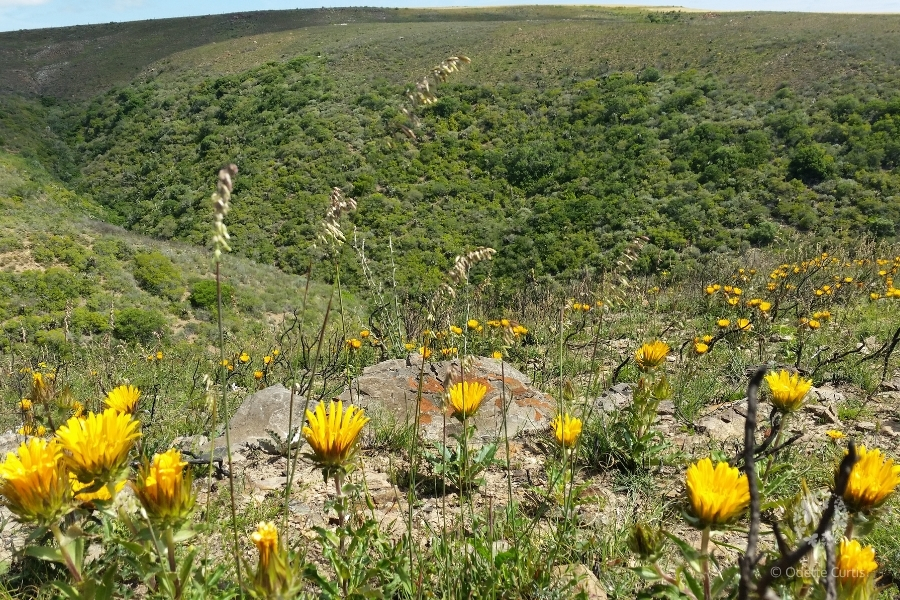
Every year Odette, Grant, Eugene and Amauréé haul out their cameras wherever possible to discover and photograph our renosterveld residents. The photos throughout our annual report showcase the incredible life in our remaining natural areas, once again reminding us of the importance of our renosterveld refuges.
RECOGNITION & REACH:
Extending connections beyond the reserve
Protecting renosterveld also means connecting people to its story. Whether celebrating conservation successes, sharing new scientific discoveries or highlighting the challenges facing this threatened ecosystem, the ORT works to inspire, inform and engage audiences far beyond the Overberg.
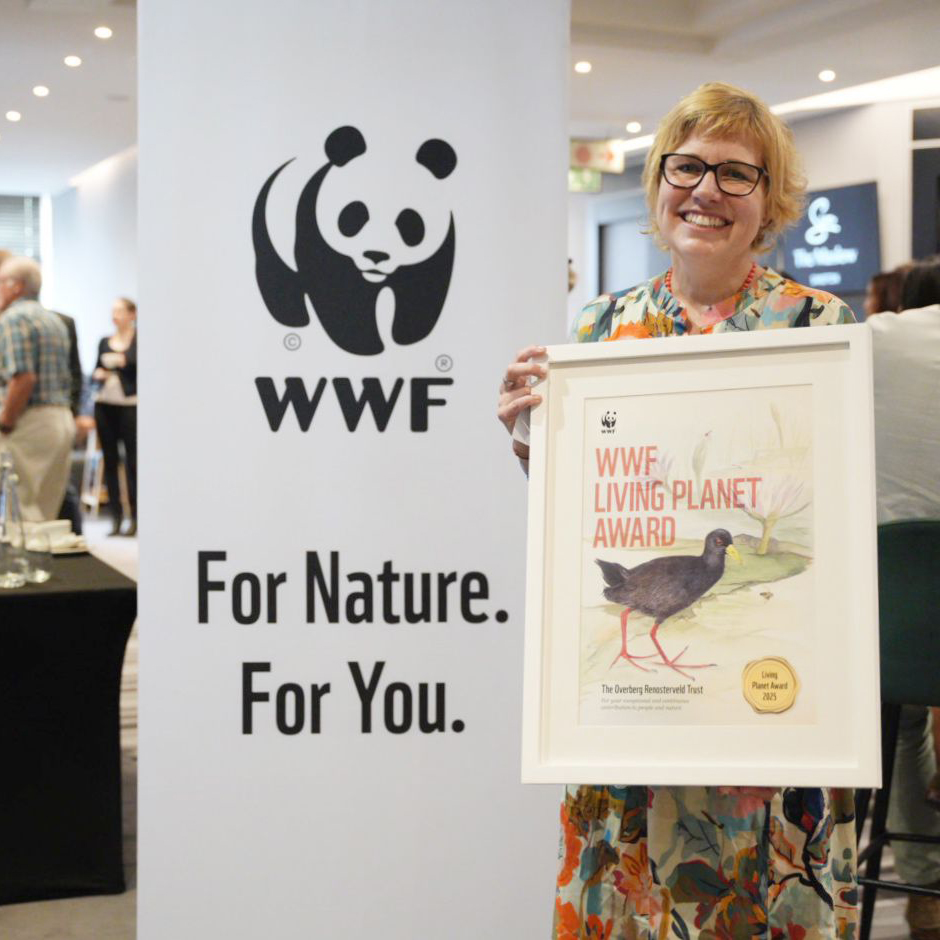
The ORT honoured with WWF Living Planet Award
The ORT was named the organisational winner of the 2025 WWF Living Planet Award – one of the highest honours in South African conservation. CEO Odette Curtis received the award at a prestigious event in Johannesburg in November. READ MORE
FEATURED IN THE MEDIA
- A lifeline for the Black Harrier: Mail & Guardian
- To save a rare South African ecosystem, conservationists bought the land: Mongabay
- Witkruisvleivalk onderhoud met Grant Forbes: RSG
- ORT and John Kani honoured by WWF: DAILY averick
- Bewaarders van Overberg se renosterveld wen groot eer: Landbouweekblad
- Protecting Black Harriers. Interview with Odette Curtis: Cape Talk
Endangered Elegance
Odette Curtis joined Rob Simmons of Bats & Birds Unlimited to present on Birdlife South Africa’s Conservation Conversations webinar. They presented on ‘Endangered Elegance: Black Harriers on the Brink’. WATCH HERE
ATTENDING THE FYNBOS FORUM
Tackling eco-anxiety at the Fynbos Forum
Odette and Grant attended the Fynbos Forum in Wilderness in 2025 – to share new perspectives on tackling eco-anxiety – that deep sense of concern for our planet’s future while working at the coalface of conservation. Odette encouraged delegates to find strength in shared commitment to nature, and our shared conservation wins.
HELP PROTECT WHAT REMAINS:
Connect with us
Every conservation success you’ve read about in this report has been made possible by people who care. From protecting landscapes and discovering new species to inspiring the next generation, none of this work happens in isolation. If these stories have inspired you, there are many ways to become part of the future of renosterveld.
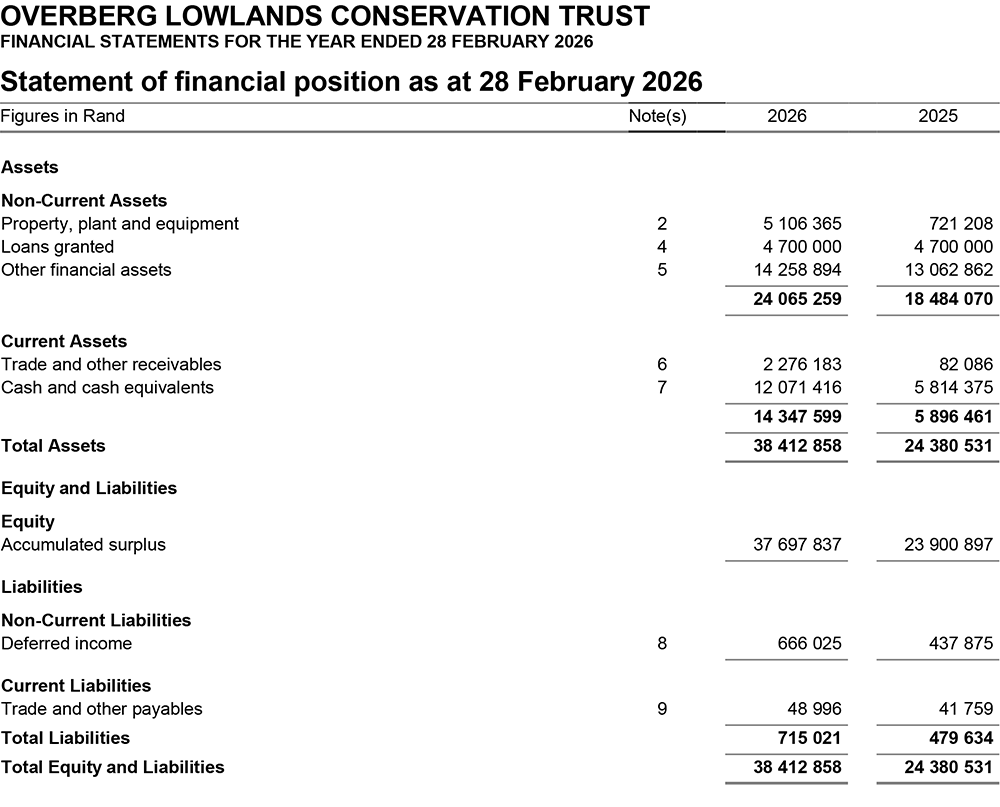
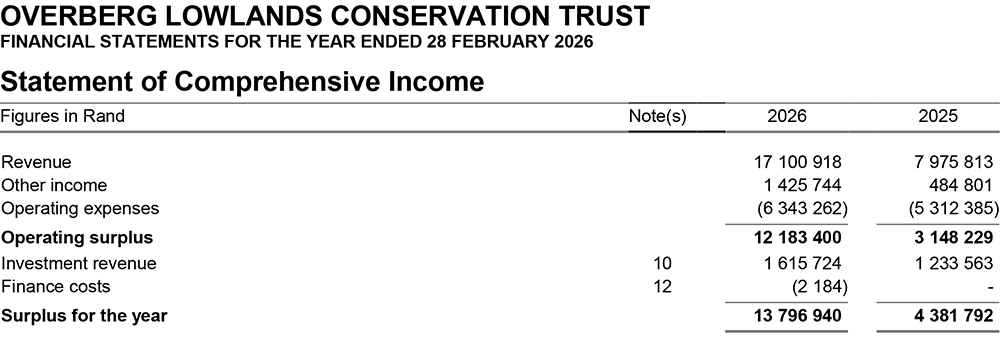
FINANCIAL REPORT AS AT 28 FEB 2026
The accompanying summary financial statements, which comprise the summary statement of comprehensive income and statement of financial position for the year ended 28 February 2026, were derived from the audited annual financial statements of the Overberg Renosterveld Trust for the year then ended.
Management’s Responsibility for the Summary Annual Financial Statements:
Management is responsible for the preparation of the summary of the audited annual financial statements.
Auditor’s Response:
We have been requested to judge whether the summary financial statements are consistent with the audited annual financial statements.
The summary financial statements were derived from the audited annual financial statements of the Overberg Renosterveld Trust for the year ended 28 February 2026 by management and appear consistent.
RA Kruger
BV Incorporated
Statement of Financial Position
Statement of Comprehensive Income
DONORS & PARTNERS
Our Donors
A sincere thank you to all our incredible donors for your support over the past year. We couldn’t do this work without you.




Fangorn
And incredible philanthropic donors who wish to remain anonymous.
Our Partners
Conservation is built on connection. From landowners and researchers to volunteers and partner organisations, every conservation success in this report has been made possible through collaboration. Our sincere thanks to the organisations below, and to the many individuals not named here, for standing with us in protecting the remarkable biodiversity of renosterveld.