The fynbos fish of the Kars River officially recognised at last
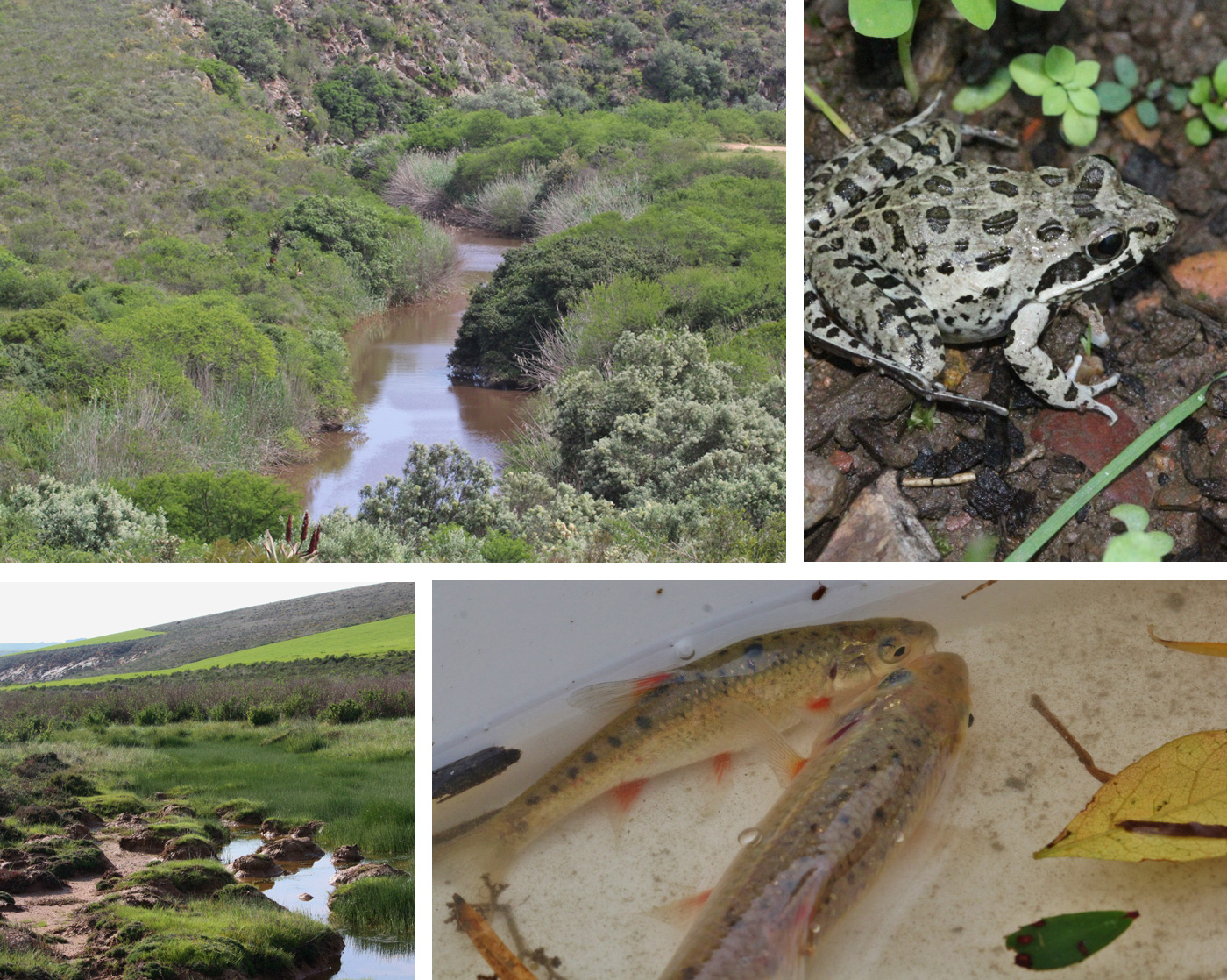
It began with a surprise discovery in the murky waters of the Kars River, in the heart of the Overberg renosterveld. Seven years later, that unexpected find has officially been named and described: the Agulhas redfin (Pseudobarbus agulhas).
This small fynbos fish species recently hit the spotlight following the publication of a new scientific paper, Systematic review of Pseudobarbus burchelli with revalidation of P. vulneratus and description of a new species, authored by Dr Fatah Zarei, Dr Melissa Martin, Prof Paul Skelton and Prof Albert Chakona of the NRF–South African Institute for Aquatic Biodiversity. The paper appeared in Zoosystematics and Evolution.
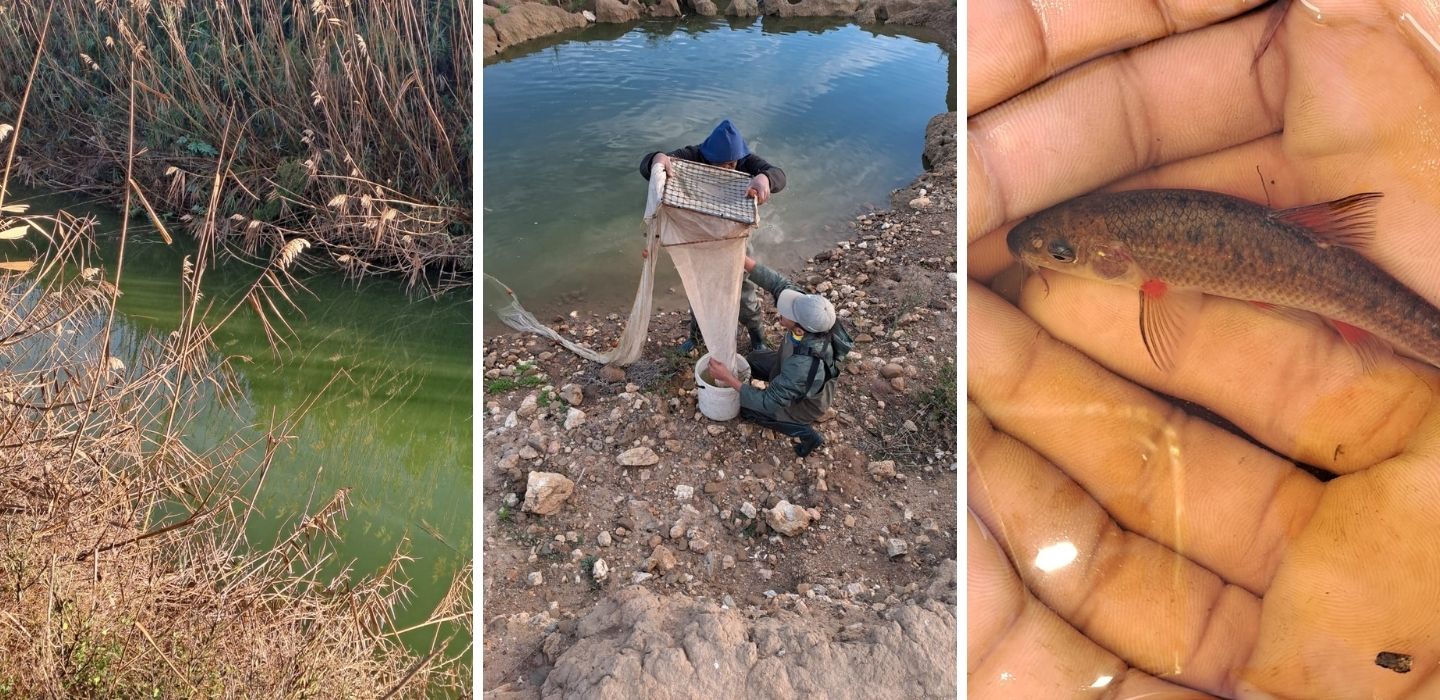
Despite the recent attention, the Overberg Renosterveld Trust (ORT) has been part of the redfin’s story since 2018. In the hope of finding some indigenous fish remaining in some of the small, non-perennial streams in the Kars River system, ORT staff pulled a net through a small pool – and to everyone’s surprise, not only did they find small freshwater fish, the fish were redfins! This was a first for renosterveld. Over the months that followed, further surveys revealed thriving subpopulations of the Agulhas redfin in the river.
Unlikely habitat
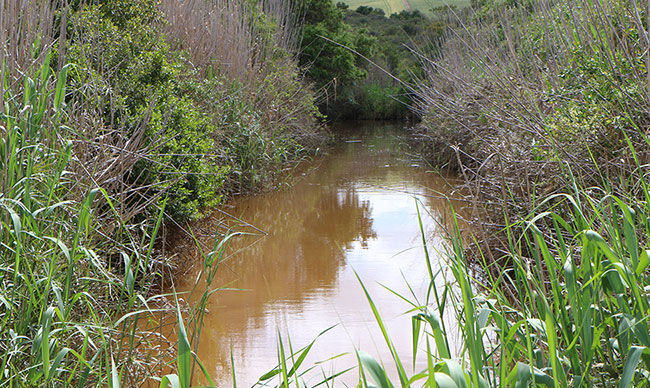
According to ORT CEO Odette Curtis-Scott, the discovery was unexpected because the rivers appeared unsuitable for indigenous fish. “These rivers and streams were dark, with high pH levels and high salt content – they didn’t look like ideal fish habitat at all,” she recalls. “Plus we knew that many parts were infested with alien fish that eat small indigenous fish, while other parts were dry for several months each year.”
Fast forward eight years, and research now shows that not only do these fish survive in such conditions – they thrive. In fact, these unique environmental factors may have shaped their evolution. Genetic evidence indicates that P. agulhas diverged from its closest relative, P. vulneratus (found in the Breede, Duiwenhoks and Goukou Rivers), around 800,000 years ago.
As the study’s authors explain: “Following colonization and divergence, ecological differences between the Heuningnes and Breede systems may have prevented lineage exchange. The Heuningnes system has higher conductivity, increased turbidity and lower gradients than Breede tributaries, which may explain the current distribution.”
The Kars River flows through the Overberg Rûens and joins the Heuningnes River System at Zoetendalsvlei, South Africa’s largest freshwater lake with an outlet to the sea. The Heuningnes River exits the lake and flows into the ocean at the De Mond Nature Reserve, a designated Ramsar site.
Redfins role in the ecosystem
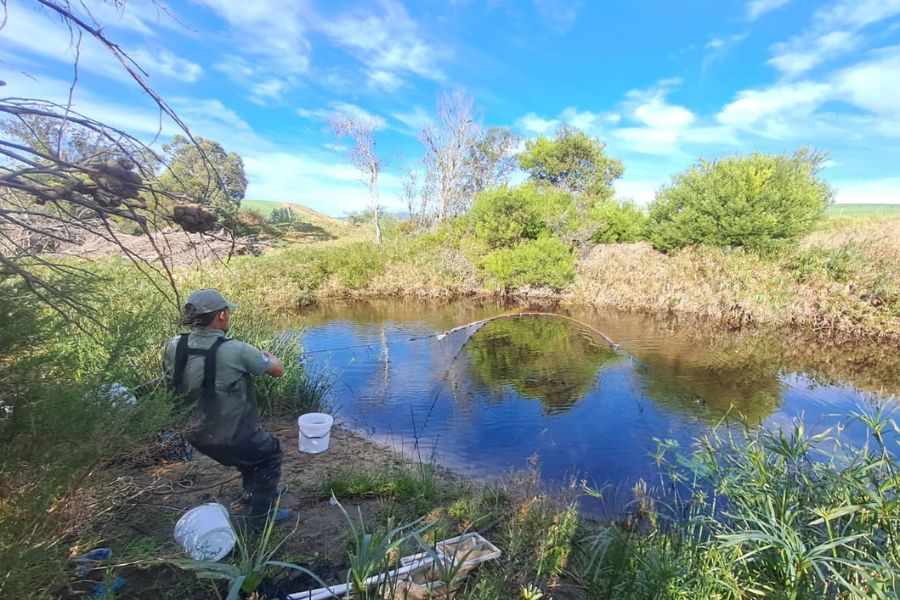
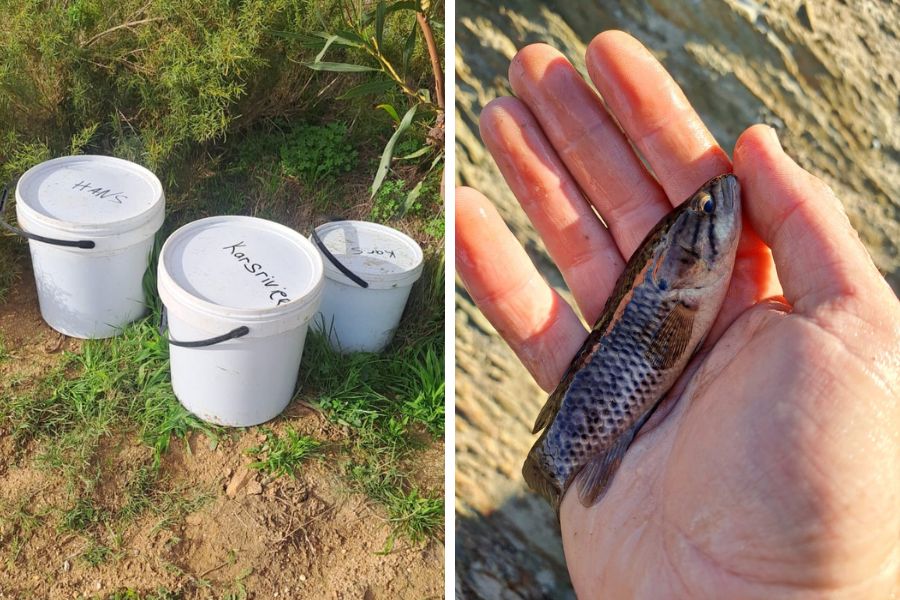
Although freshwater fish monitoring isn’t a primary area of work for the ORT, the team collaborates with the Nuwejaars River Nature Reserve (NRNR), which conducts monitoring to better understand the fish’s abundance and distribution. Through the ORT, the NRNR team has extended monitoring to the Kars River.
In addition, redfins from the Kars River have been introduced into two off-stream dams by the NRNR team. It’s hoped these populations will breed successfully, producing offspring that can be translocated to redfin sanctuaries – restored river stretches made safe from the threats they face.
Redfins play a vital role in freshwater ecosystems, helping maintain balance by feeding on algae and insects. Yet despite their importance, they face numerous threats, including invasive alien fish that prey on them and extreme weather events and poor farming practices that degrade their habitat. As a result, they are listed as Endangered, facing possible extinction without continued conservation partnerships to safeguard their future.
An evening for the Black Harrier: celebrating wings, words and wonder
Around 65 conservationists, researchers, supporters and bird lovers gathered at Vergenoegd Löw Wine Estate on Tuesday 29 September to celebrate one of South Africa’s most striking – and threatened – birds.

Healthy soils depend on the little things
When you think of farming, you might immediately think of crops, livestock, rainfall and pests. But some of the hardest-working members of a healthy farming system are almost invisible.

Latest Renosterveld News
OVERBERG RENOSTERVELD TRUST NEWSNewsletter 40 | April 2026 by Grant ForbesFrom Grant: Conservation, farmers and trust It’s not often that I have the opportunity to pop into your inbox. But with our...