Size matters: A new large-scale renosterveld landscape protected
The Oudekraalskop conservation easement secures Endangered renosterveld, rare species and important ecological corridors in perpetuity.
Every piece of renosterveld matters. But when a large, connected landscape joins the Overberg Renosterveld Trust’s Conservation Easement Programme, it marks an especially important conservation win.
The newly signed conservation easement, Oudekraalskop, brings Endangered Eastern Rûens Shale Renosterveld and Rûens Silcrete Renosterveld under protection in perpetuity – securing another key fragment of one of the world’s most threatened ecosystems.


According to Conservation Manager Grant Forbes, the Steenkamp family, who own the property, are conservation-minded landowners who recognise the value of protecting biodiversity on their farm.
“They really take ownership of what they’ve got here, and they see the value of the contribution they’re making towards conservation of such a unique and threatened ecosystem. We are very proud to be working with them and look forward to a long relationship where we together conserve a representative area of renosterveld from this region.”
Threatened with extinction
Monitoring by the Overberg Renosterveld Trust team recorded 225 plant species on the property, with more than 10% classified as threatened with extinction.
Some of the special species recorded include:
• Hesperantha muirii (Endangered)
• Ruellia pilosa (Vulnerable)
• Oedera garnotii (Vulnerable)
• Liparia striata (Endangered)
Grant says that the property is particularly important because of the quartz patches found within the landscape.
“Eastern Rûens Shale Renosterveld is quite variable as you move from west to east. However, you’re likely to find these unique quartz patches in these landscapes, and they house a very unique group of species that depend on these areas for survival.”


Top: Long Needlenose Fly, Philoliche on Hesperantha muirii. Bottom: Drosanthemum quadratum (C) Odette Curtis-Scott
Why corridors are key
Another remarkable feature of Oudekraalskop is its intact watercourses – an unusual characteristic for the Overberg. Rivers and wetlands not only support biodiversity, but also connect renosterveld fragments, creating important ecological corridors for species movement.
These systems also provide ecosystem services, helping to attenuate flood damage and support landscape resilience.
Where wildlife thrive
Beyond plant diversity, the property supports a wide range of wildlife. Camera trap surveys have confirmed the presence of several mammals, including:
- Aardwolf
- Cape Grysbok
- Grey Rhebok (Threatened)
Pollinators also rely on these connected landscapes for survival. Species recorded on the farm include the Cape Honeybee, Needlenose Fly and various butterflies such as the Common Blue.


Top left: Grysbok Male. Top right: Southern double-collared sunbird on Erica versicolor. Bottom left: Near Threatened Black-crowned Night Heron. Bottom right: Southern double-collared sunbird on Liparia striata

Vulnerable Grey rhebok (C) Odette Curtis-Scott
An evening for the Black Harrier: celebrating wings, words and wonder
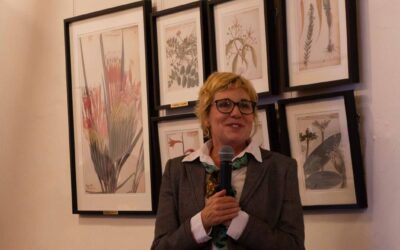
Around 65 conservationists, researchers, supporters and bird lovers gathered at Vergenoegd Löw Wine Estate on Tuesday 29 September to celebrate one of South Africa’s most striking – and threatened – birds.

Healthy soils depend on the little things
When you think of farming, you might immediately think of crops, livestock, rainfall and pests. But some of the hardest-working members of a healthy farming system are almost invisible.

Latest Renosterveld News
OVERBERG RENOSTERVELD TRUST NEWSNewsletter 40 | April 2026 by Grant ForbesFrom Grant: Conservation, farmers and trust It’s not often that I have the opportunity to pop into your inbox. But with our...
One of the world’s most threatened ecosystems
“Many people just don’t realise how threatened renosterveld is,” says Grant. “It’s one of the most endangered ecosystems in South Africa – and possibly on the planet – with less than 5% remaining. Of that, very few fragments are large and connected like Oudekraalskop.”
The value of partnerships
The Overberg Renosterveld Trust’s Conservation Easement Programme enables landowners to protect biodiversity while continuing to farm.
“An easement is essentially a conservation servitude registered on the property, where the landowner sets aside an area for conservation,” says Grant.
“Here conservation and agriculture work together to protect biodiversity and maintain the ecological health of the region, ensuring that renosterveld is protected and managed well into the future.”
The partnership also includes incredible donors who support the conservation and restoration work of the ORT. This includes WWF South Africa, the Mapula Trust, the Ford Wildlife Foundation, Engie, the World Land Trust and the Hans Hoheisen Charitable Trust.


Endangered Hesperantha muirii (C) Odette Curtis-Scott