Quartz islands in renosterveld: Small, specialised – and under threat
By Alexander M. Bürger
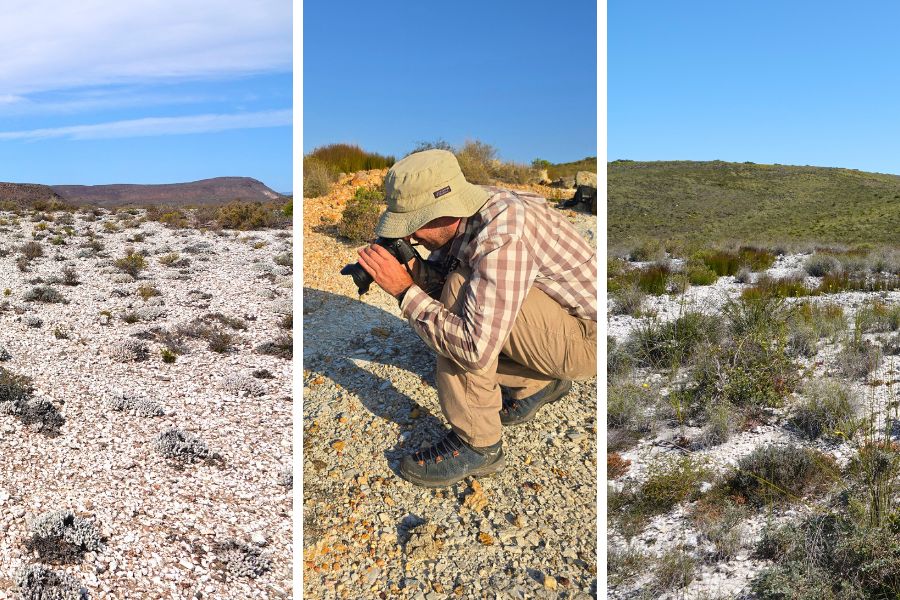
When walking through renosterveld, your eye may suddenly catch bright white patches shimmering among the green-grey vegetation. These patches look like small islands surrounded by typical renosterveld vegetation – and that is exactly why they are called quartz islands. But while these quartz islands may be small in size, our studies show they play an essential role in plant diversity in renosterveld – and deserve much greater attention in conservation planning.
Quartz islands are typically shallow habitats with very specific soil conditions. Their surfaces are covered by angular quartz gravel, and in some places the quartz bedrock even breaks through as small outcrops. The high proportion of quartz gravel leads to lower soil pH and distinct soil properties, which in turn support a highly specialised plant community. Many of the species occurring on these patches are only found on quartz habitats and do not occur in the surrounding vegetation.
A unique system across contrasting climates
Quartz islands are not restricted to a single region. They occur across several arid and semi-arid parts of western South Africa, including the Pofadder region, the Richtersveld, the Knersvlakte and the Little Karoo. All of these regions are characterised by low and strongly seasonal rainfall.
The Overberg region, however, stands out. With an annual rainfall of more than 450 mm, it is considerably wetter than the other regions with quartz islands. Despite these climatic differences, the vegetation on quartz islands in the Overberg shows striking similarities to that of much drier regions such as the Little Karoo. For example, it has a high amount of leaf-succulent shrublets, which is only rarely seen in typical renosterveld.
This makes the Overberg quartz islands a particularly interesting system to study the interaction between climate, soil conditions and plant-community composition.
Historic and current threats
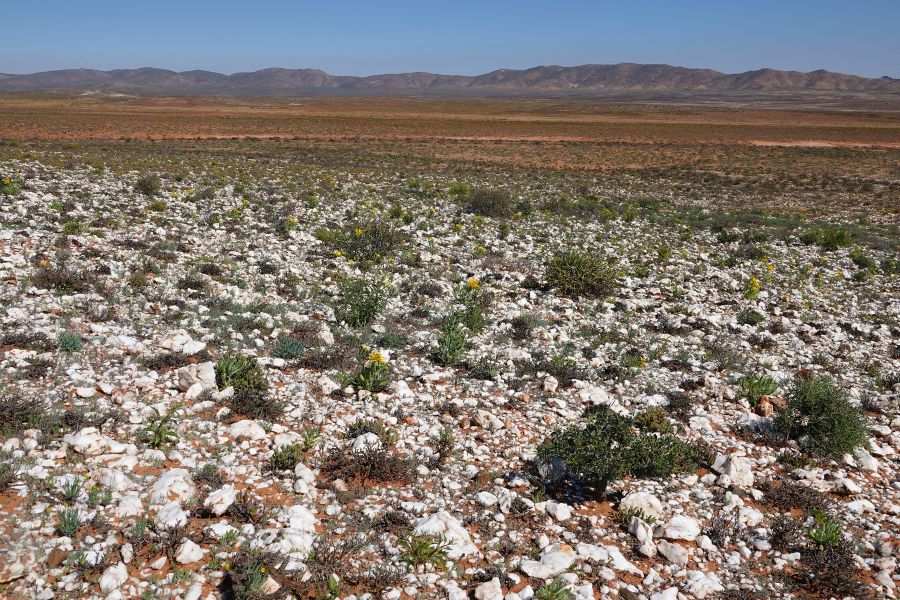
The Overberg is also one of South Africa’s most important agricultural regions. Over the past century, large areas of the original renosterveld have been transformed into cropland, leaving only small and scattered remnants of natural vegetation. Quartz islands have not escaped these changes: today, only a small fraction of them remains intact.
What’s more, today quartz patches are often also used for livestock grazing. Intensive grazing leads to a strong decline in both species’ richness and functional diversity. This poses a huge extinction threat to species on quartz islands, as many are very slow growing.
Studying plant diversity on quartz islands
By working with the Overberg Renosterveld Trust and private landowners, we were able to study the vascular plant species’ composition of more than 30 quartz islands in the Overberg region. In total, we found more than 300 species on quartz islands, indicating how crucial quartz sites are for the plant diversity of the Overberg region.
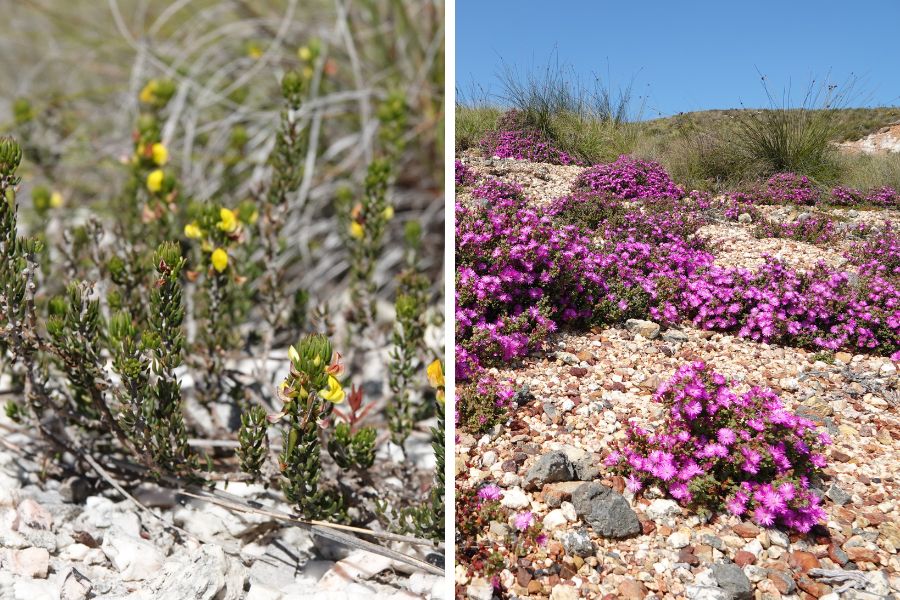
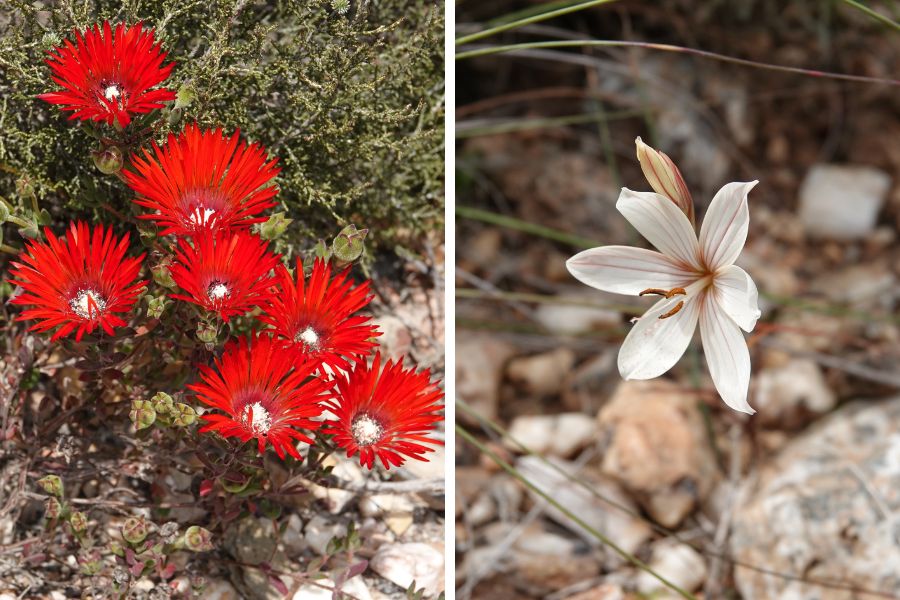
Among them are true quartz endemics – species that occur only on quartz soils – such as Aspalathus quartzicola, Ficinia overbergensis and Drosanthemum quadratum. In addition, we documented many local endemics restricted to the Overberg region, eg. Aspalathus mundiana, Drosanthemum lavisii and Hesperantha muirii. Because these species have such small geographic ranges, they are extremely vulnerable to extinction, underlining the urgent need to protect the remaining quartz islands in the Overberg.
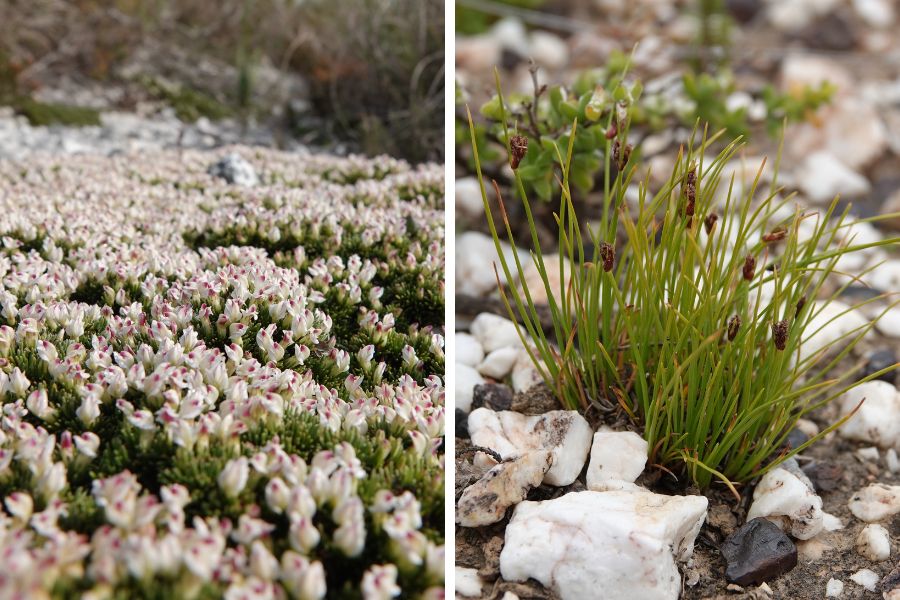
Left: Aspalathus quartzicola. Right: Ficinia overbergensis (C) Alexander M. Bürger
Left: Aspalathus mundiana. Right: Drosanthemum quadratum. (C) Alexander M. Bürger
Left: Drosanthemum lavisii. Right: Hesperantha muirii (C) Alexander M. Bürger
Beyond species numbers: functional diversity
In addition to compiling species lists, we measured functional traits of more than 150 perennial plant species, including plant height, specific leaf area and chemical leaf composition. These traits provide insight into how plants grow, acquire resources and cope with environmental stress.
By combining species and trait data with biogeographical remote-sensing analysis, we can study how the size and isolation of quartz islands influence both taxonomic and functional diversity. We also compare our results with data from other regions, such as the Little Karoo and the Pofadder region, to better understand how different climatic conditions shape plant communities on quartz islands.
Why quartz patches need greater attention
Our findings show that quartz islands, despite their small size, play a disproportionately crucial role in the plant diversity in renosterveld – and need far more attention in conservation planning.
About the author
Alexander M. Bürger is a PhD student working in the DFG funded project Quartz Islands II, a cooperation between the Universities of Frankfurt and Hamburg. If you are interested in a further read of quartz islands in other regions, check out our recently published work within this project:
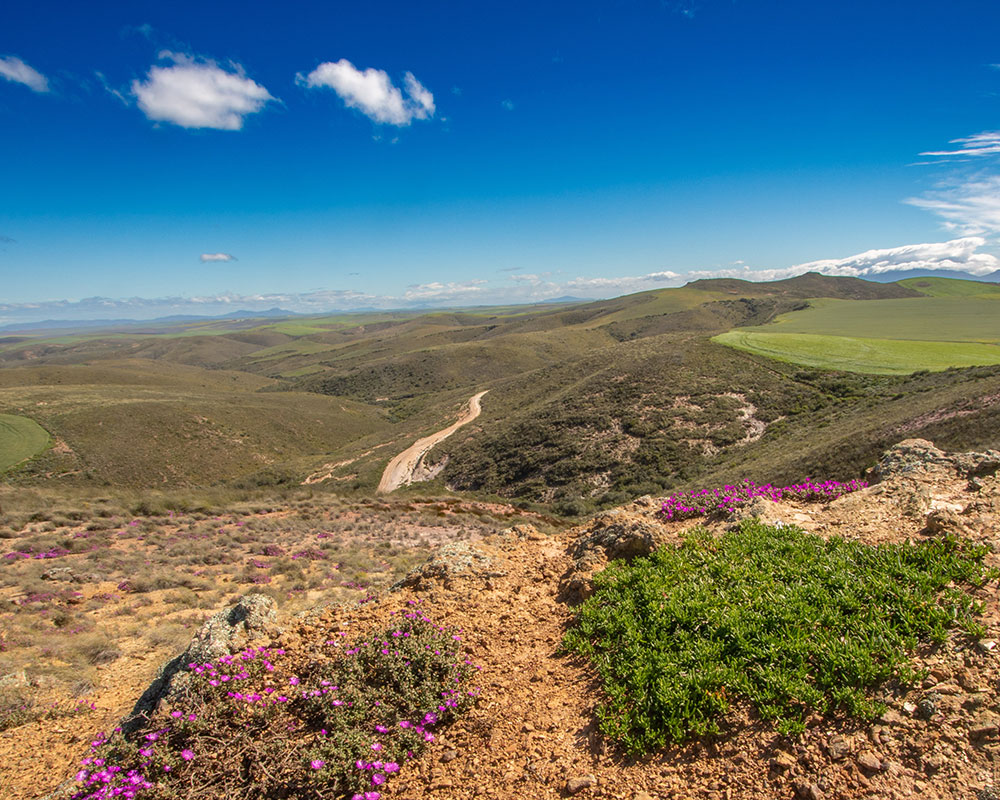
Global partners team up to protect renosterveld
This conservation team has collaborated to buy a key potion of property situated 40km south of the town of Swellendam, called Plaatjieskraal. The farm borders on the 500-hectare Haarwegskloof Renosterveld Reserve
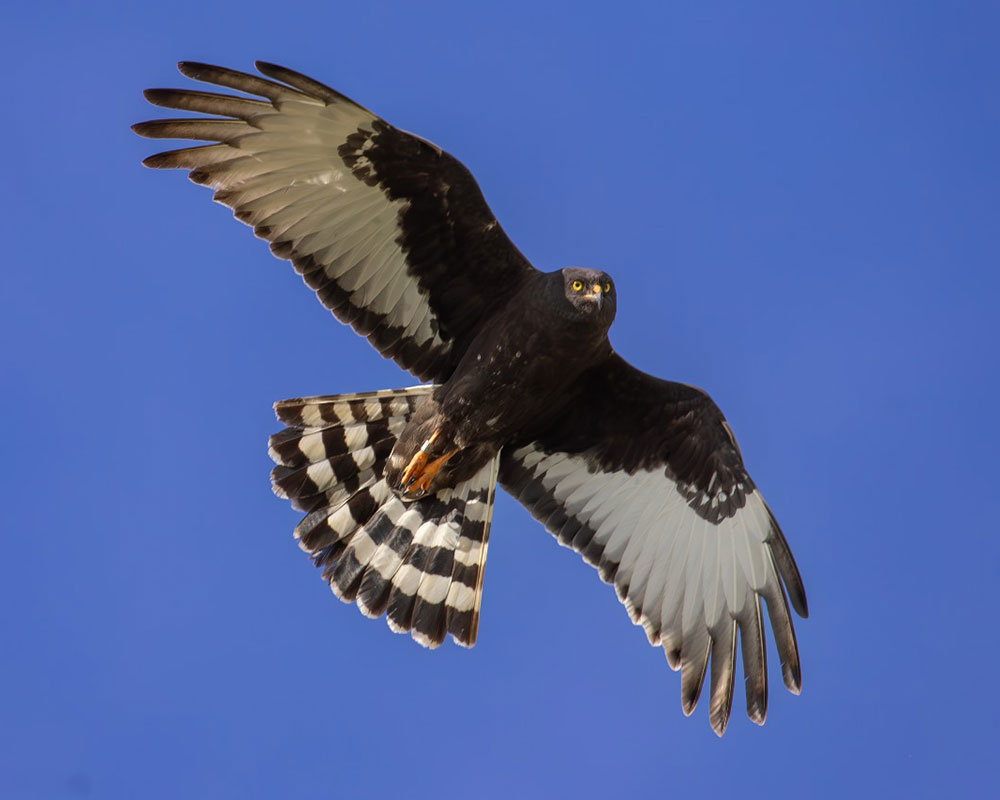
Four Black Harriers tagged in just three days
The Overberg Renosterveld Conservation Trust managed to tag four Black Harriers in just three days in November.
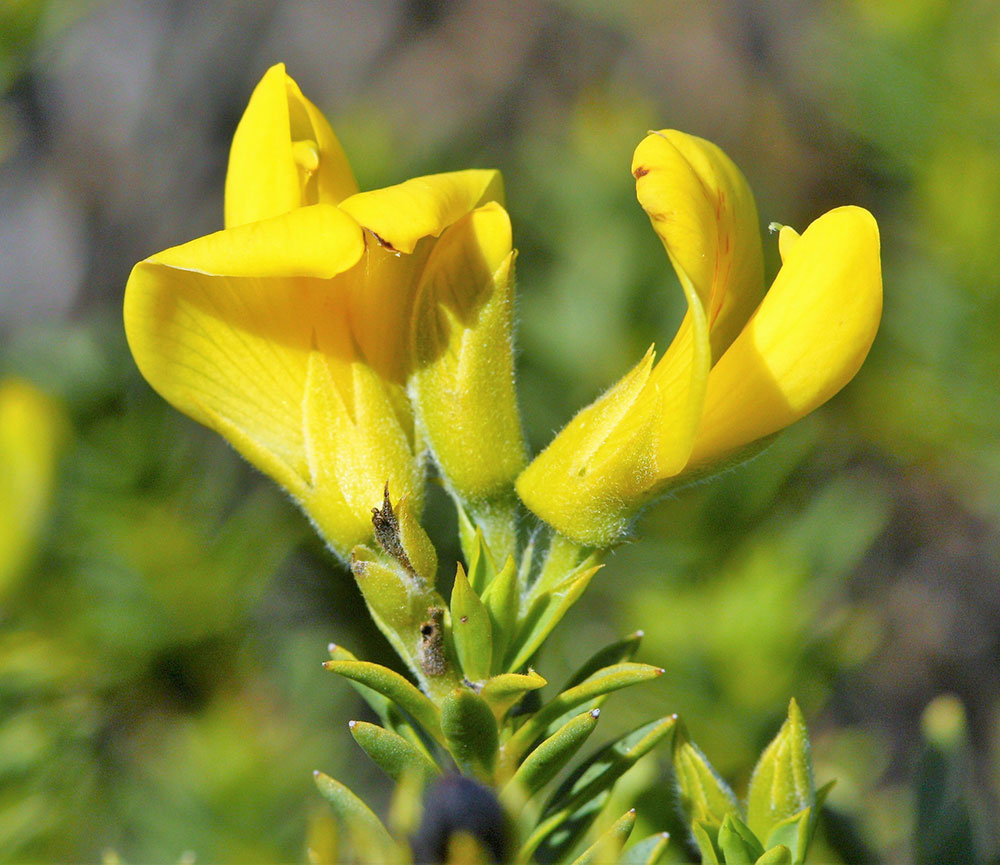
The Pea family: More than a meal in renosterveld
Fabaceae are very easily identifiable, even to the uninitiated. During flowering season, look out for their five-petal flowers.
Latest Renosterveld News
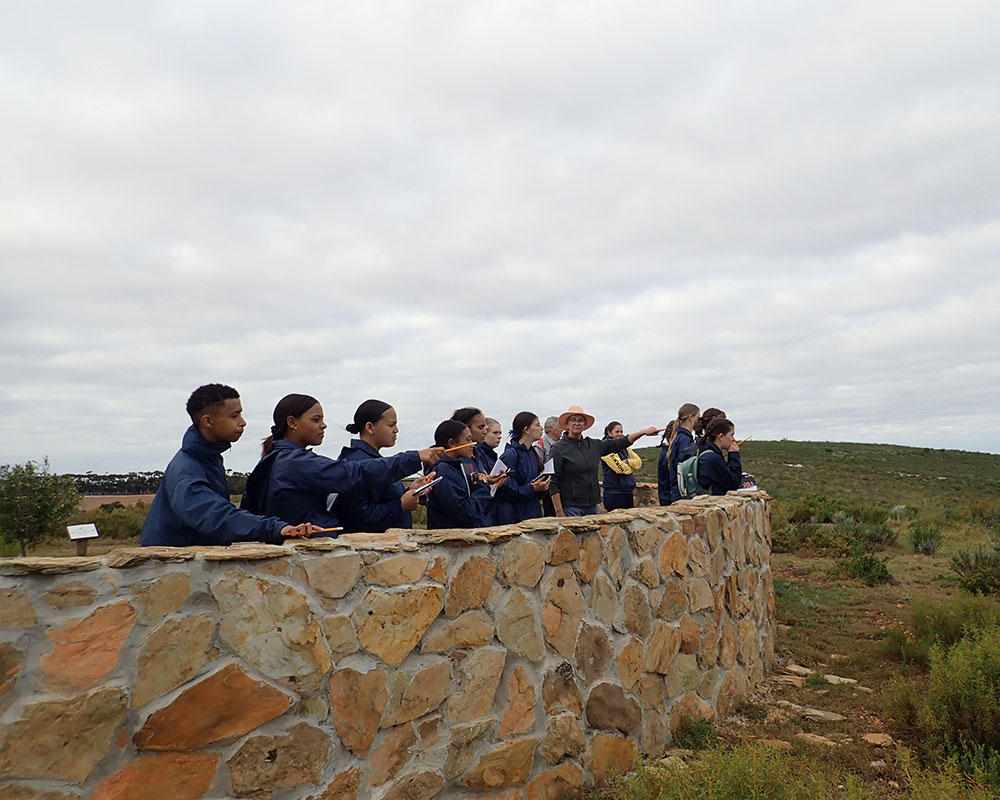
A busy year for the Veld School: Experiencing nature on our doorstep
One year after the launch of the Veld School, and the Overberg Renosterveld Conservation Trust (ORCT) has touched the lives of 370 learners in the Overberg, showing them the importance of protecting our precious renosterveld.
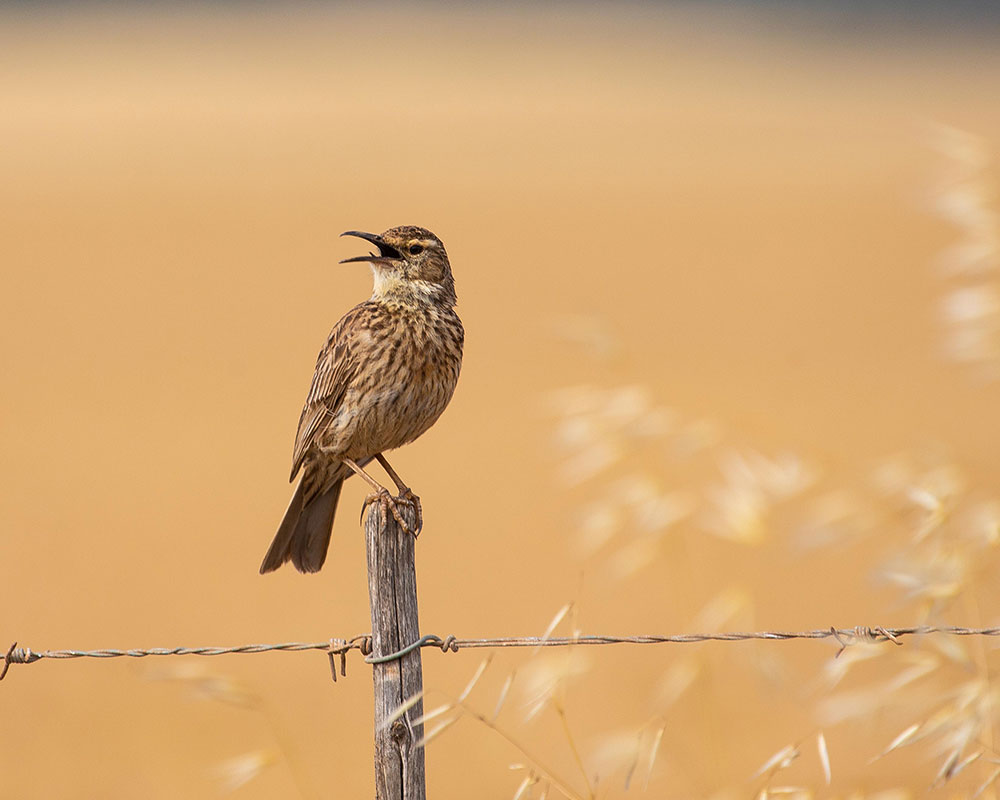
Getting intimate with an Overberg endemic: Agulhas Long-Billed Lark
The Agulhas Long-billed Lark’s distinctive repertoire of vocalisations makes it easy to detect in the field despite its fairly nondescript plumage. When nesting, it is alert, shy and secretive, but patience and determination brought exciting new data from 29 nests.

Exploring, through the lens, intricate and miniature life forms
As the proponents of an easily overlooked shrubland, still underrated by landowners and ecologists alike, we rely heavily on taking striking images from within renosterveld to ‘sell’ our story.