A new renosterveld obsession, almost too small to see
The Overberg Renosterveld Trust team has developed a new obsession. Their latest fascination? The world of beings almost too small for the naked eye to see. What began as curiosity has become a full-blown passion: to seek out, photograph and identify the miniature marvels that make up the hidden life of renosterveld.
It’s this dedication to uncovering renosterveld’s incredible diversity – even the tiniest species – that helped the Trust lead the charge in this year’s Great Southern Bioblitz.
By the end of the four-day event, the Overberg district ranked fifth in South Africa, and ninth out of all regions south of the equator, for the number of observations recorded. The Overberg also finished eight for total species identified – an impressive feat achieved by only 83 observers.
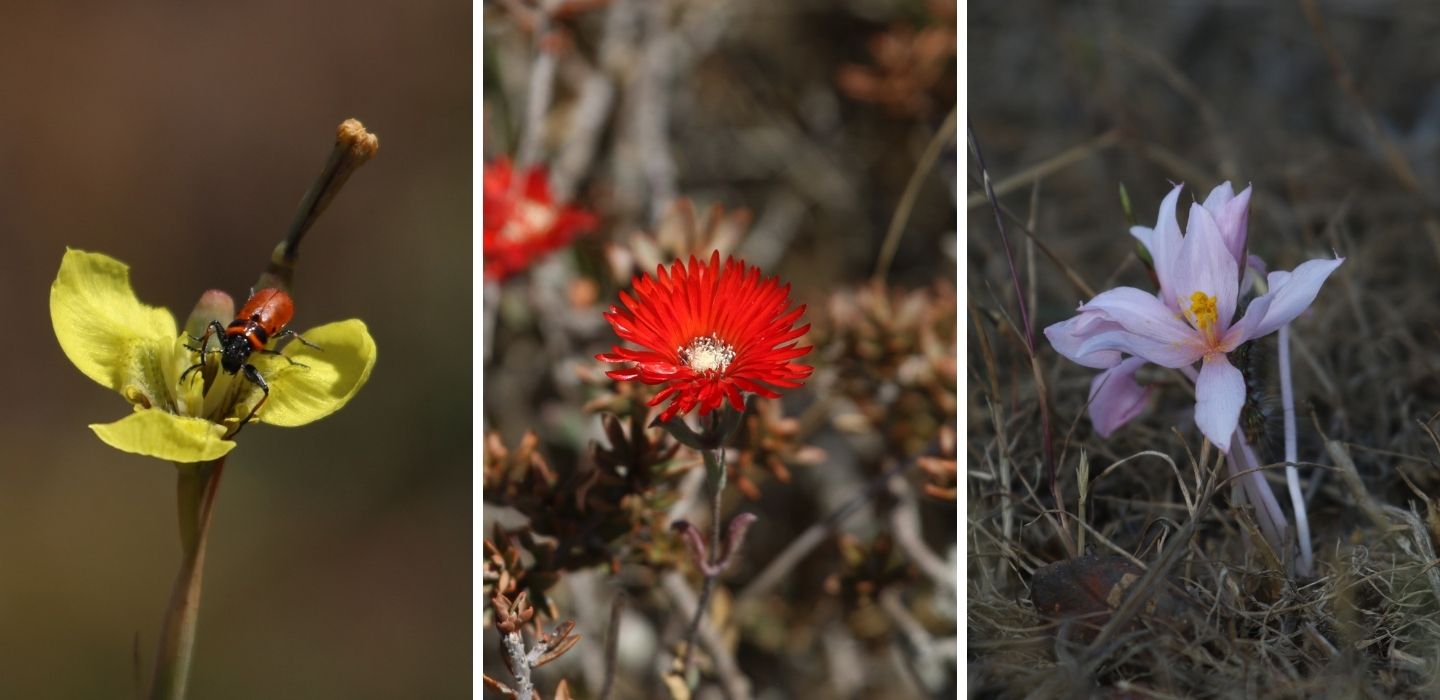
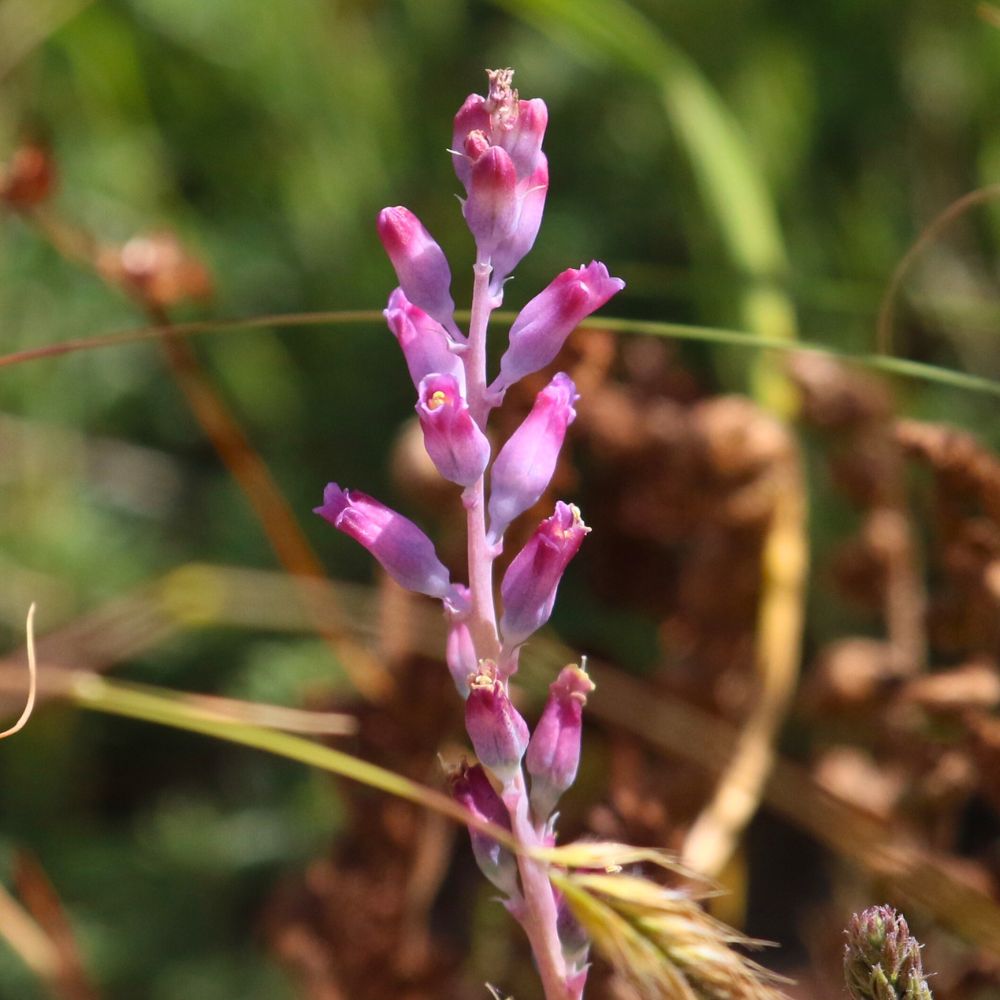
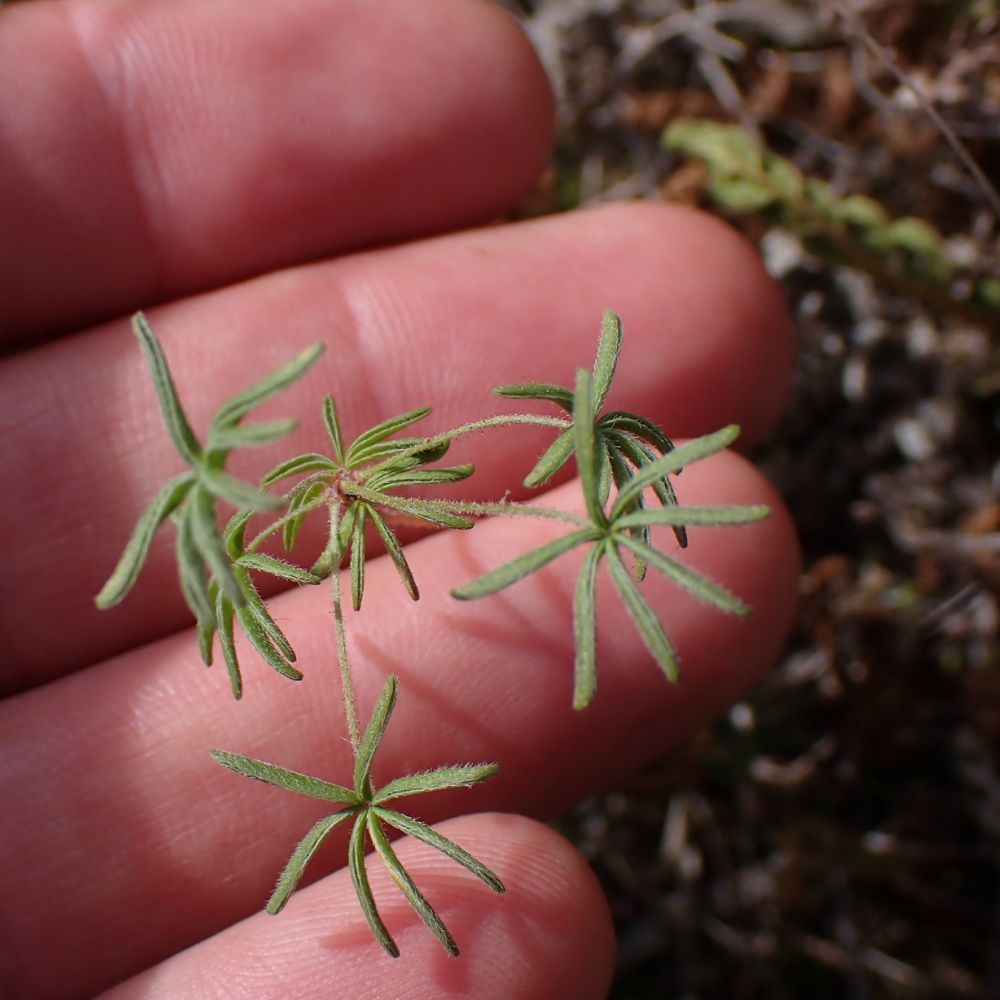
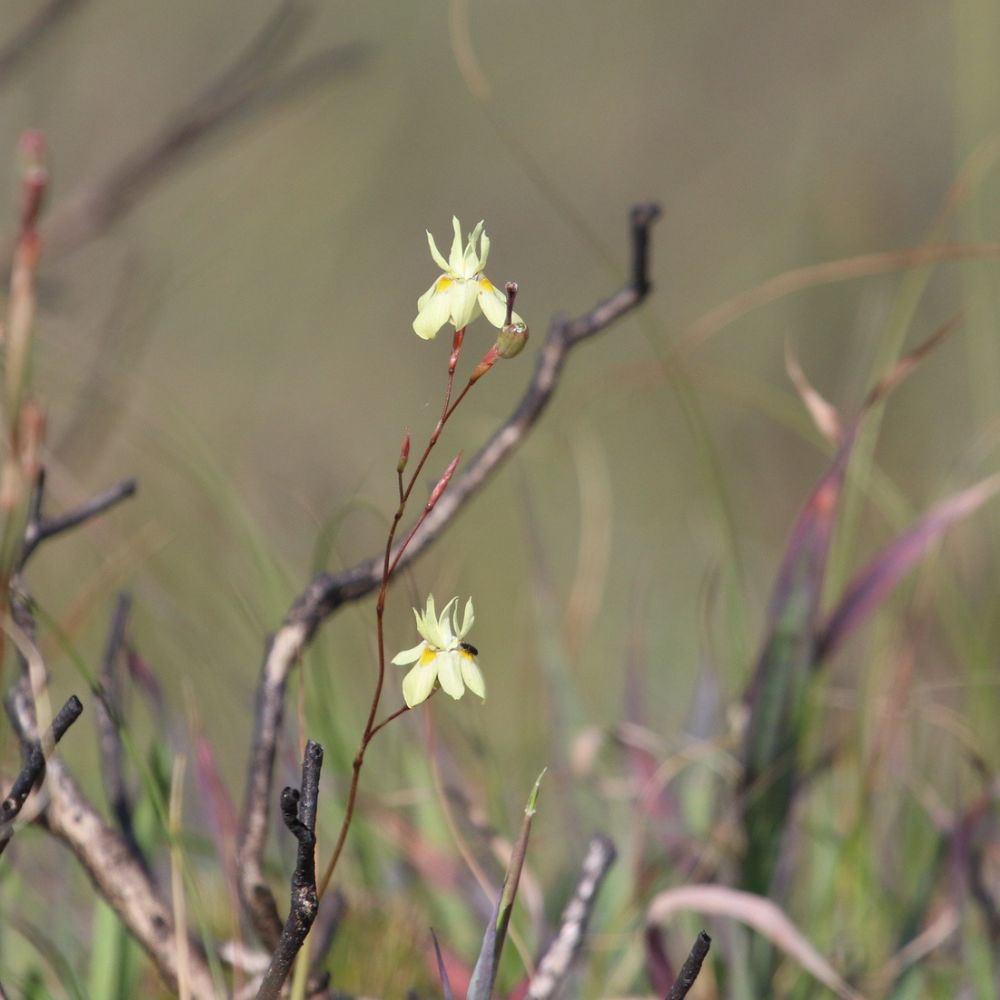
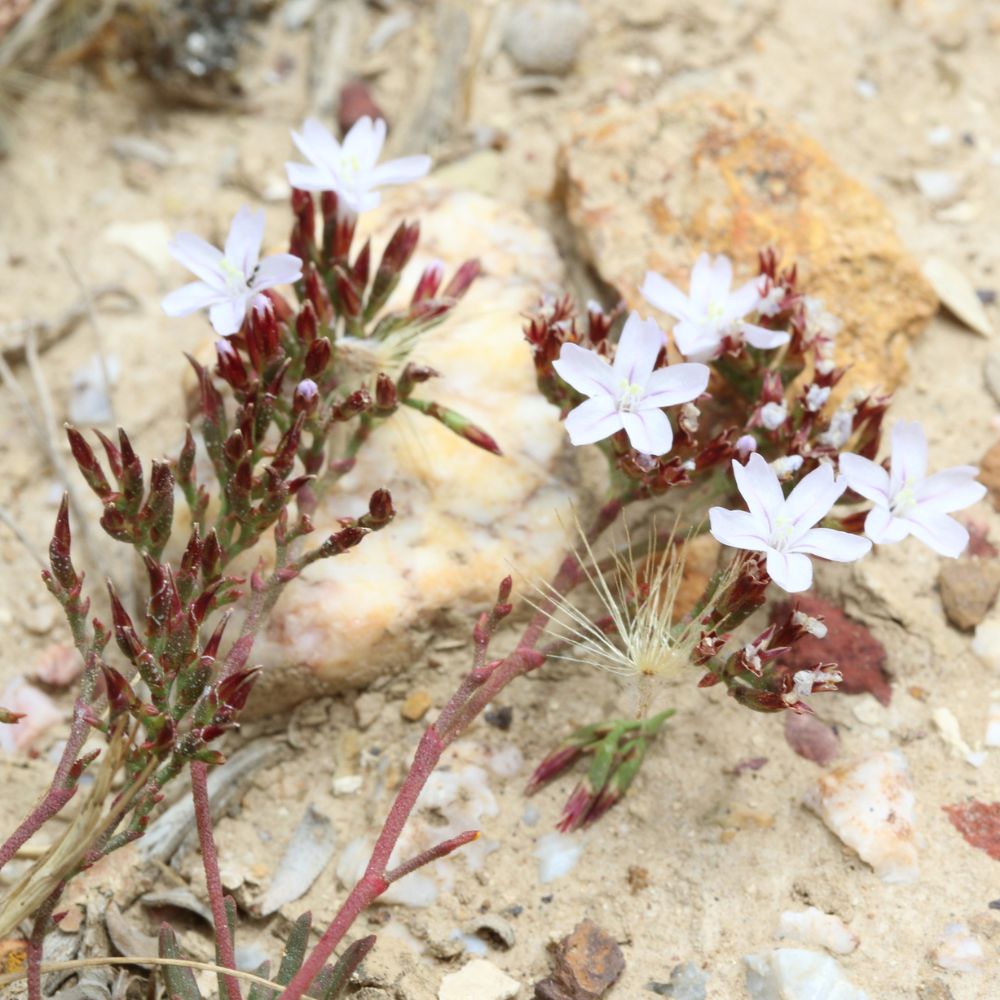
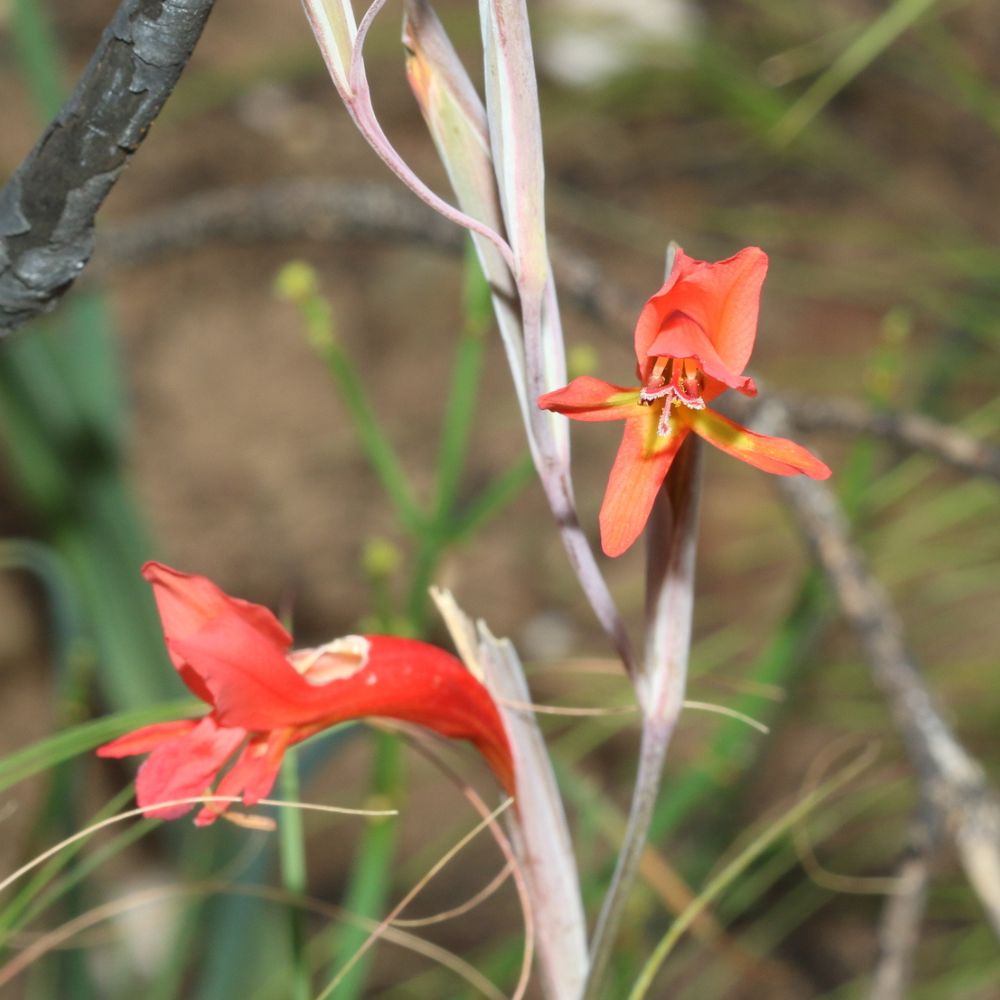
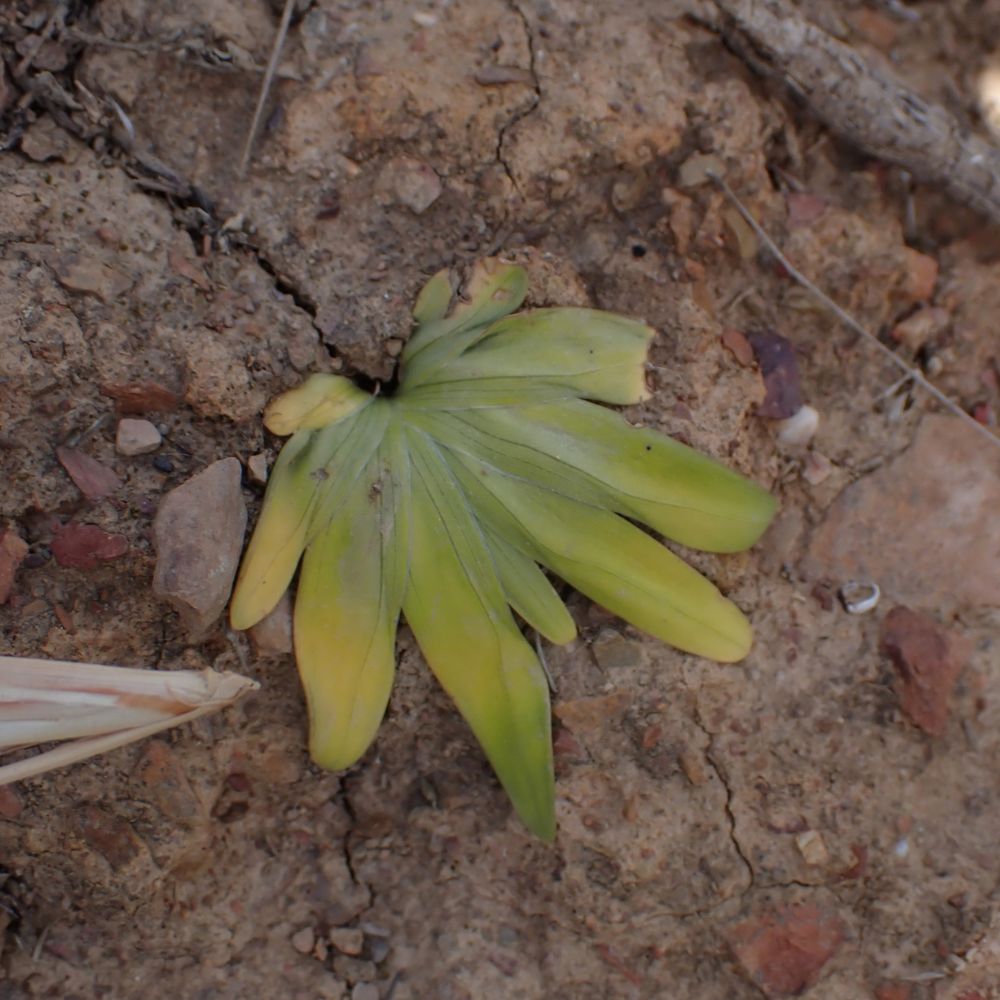
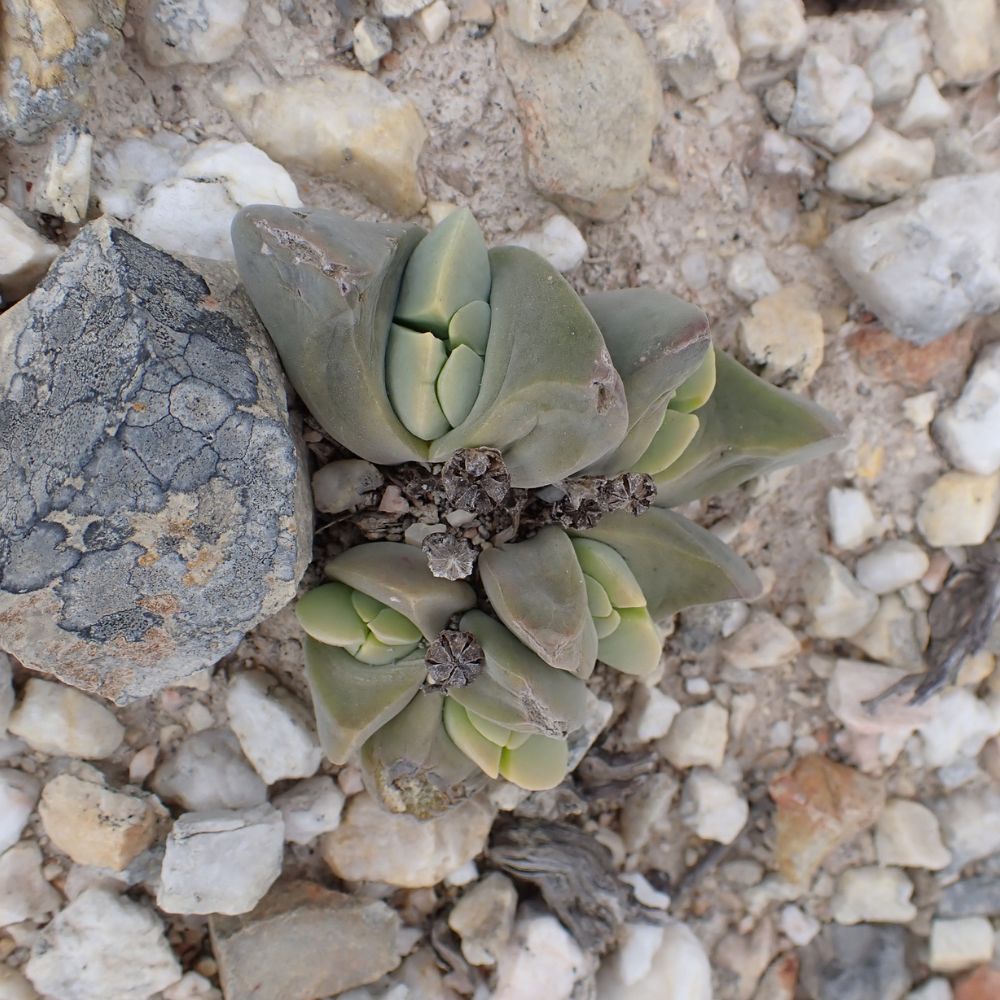
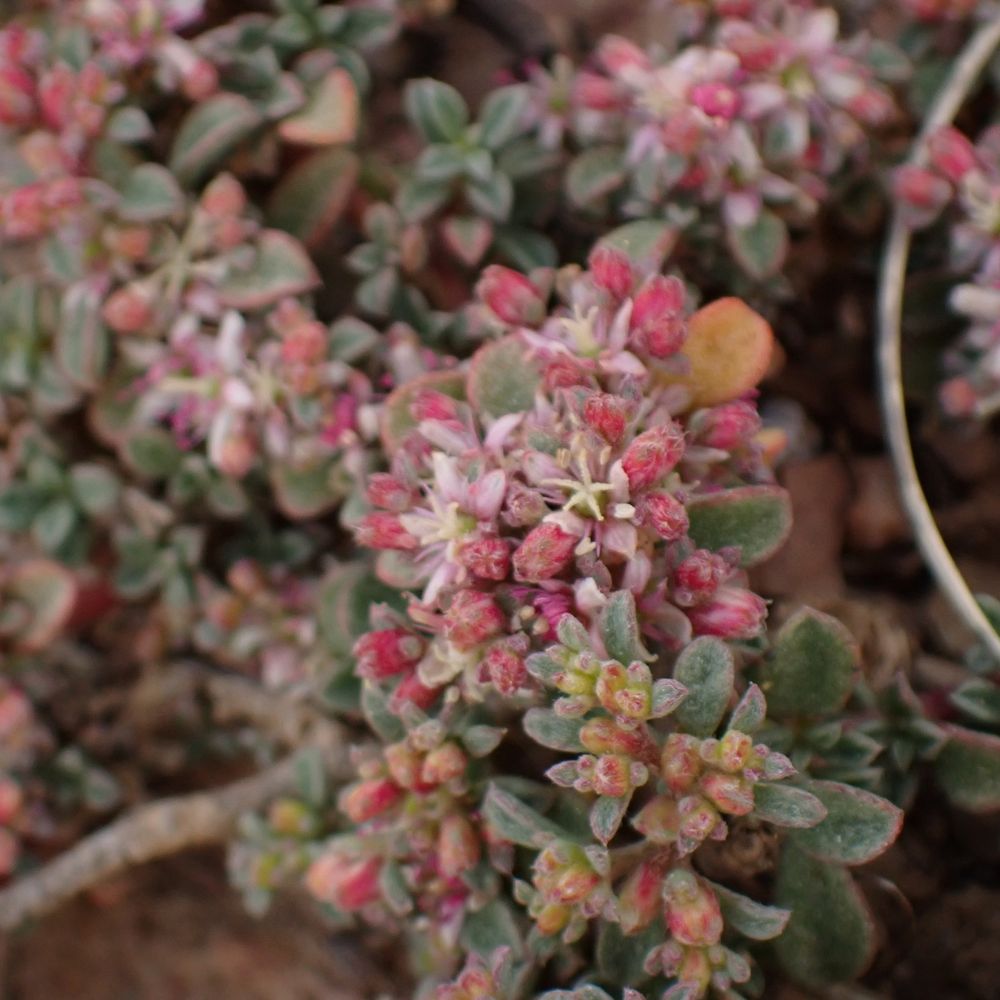
(C) Grant Forbes. Left: Leaf Beetles, Middle: Drosanthemum lavisii, Right: Gethyllis villosa
Topping the GSB charts
Together, the ORT team contributed more than a quarter of all observations and nearly half of all species documented in the Overberg. On average, each team member recorded a remarkable number of species, showing not only the relentless fieldwork undertaken but also renosterveld’s astonishing richness.
Within that, the ORT team truly showed their value. Conservation Manager Grant Forbes topped the regional charts with 773 observations and 370 species photographed, while CEO Odette Curtis-Scott logged 540 observations and 255 species, the second-highest observations in the district.
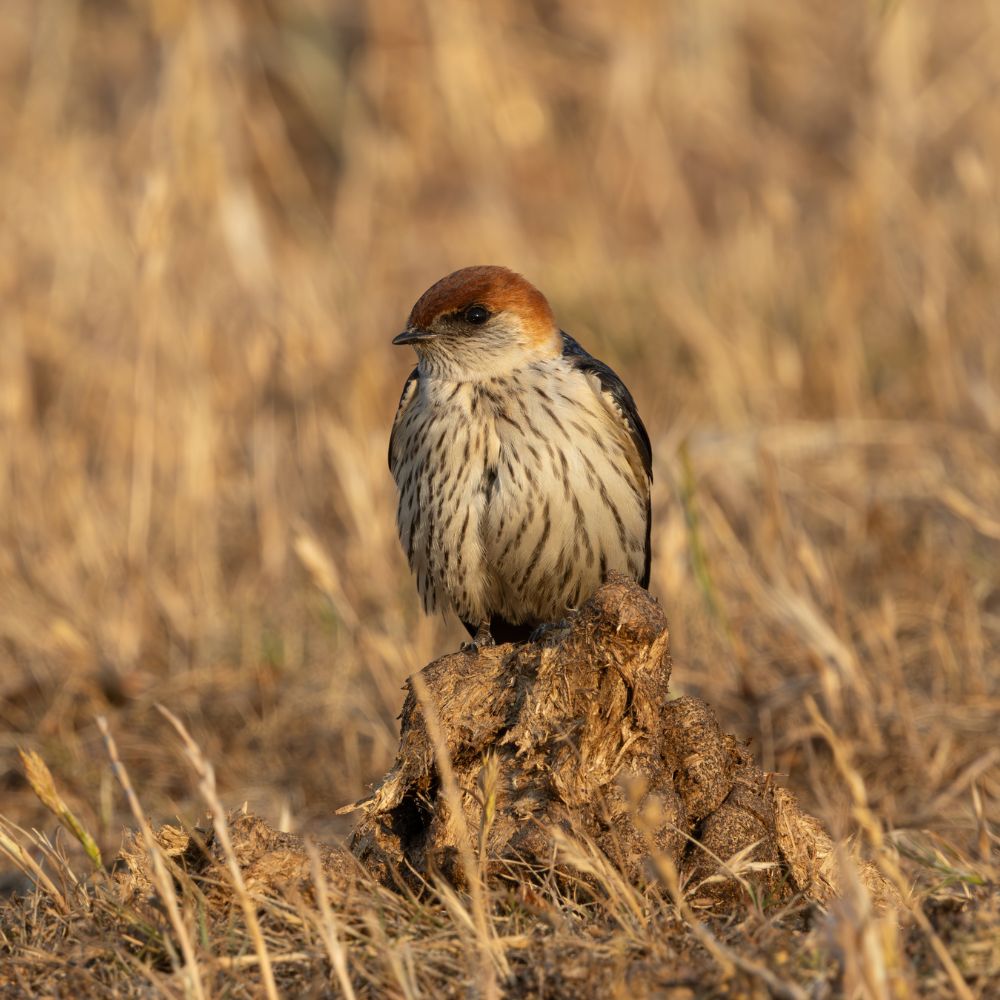
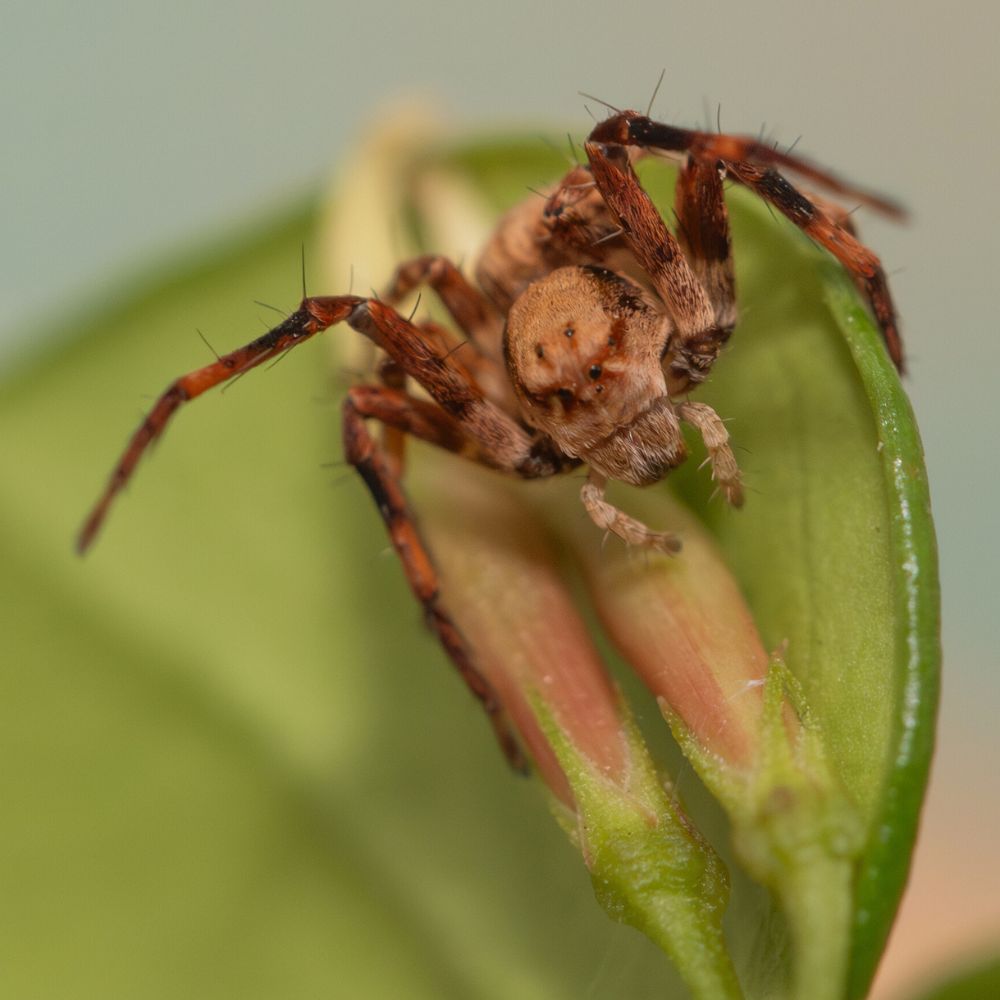
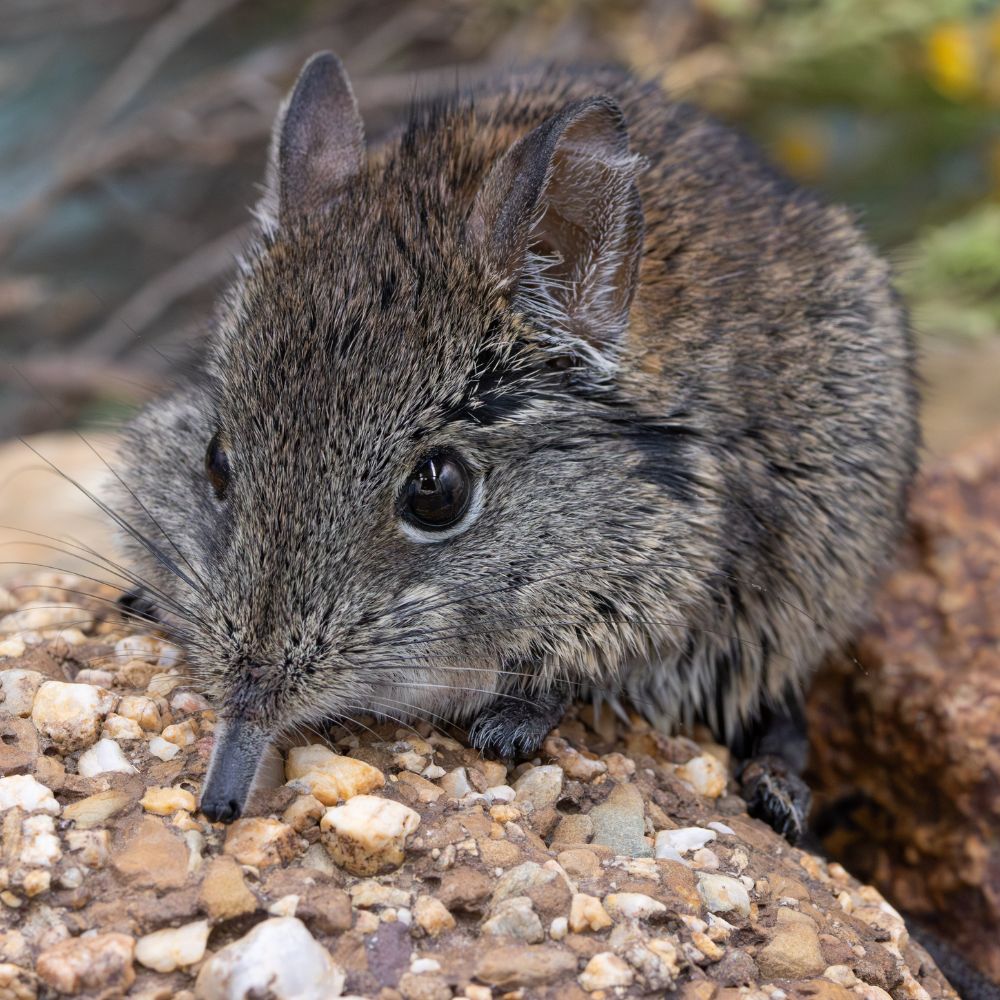
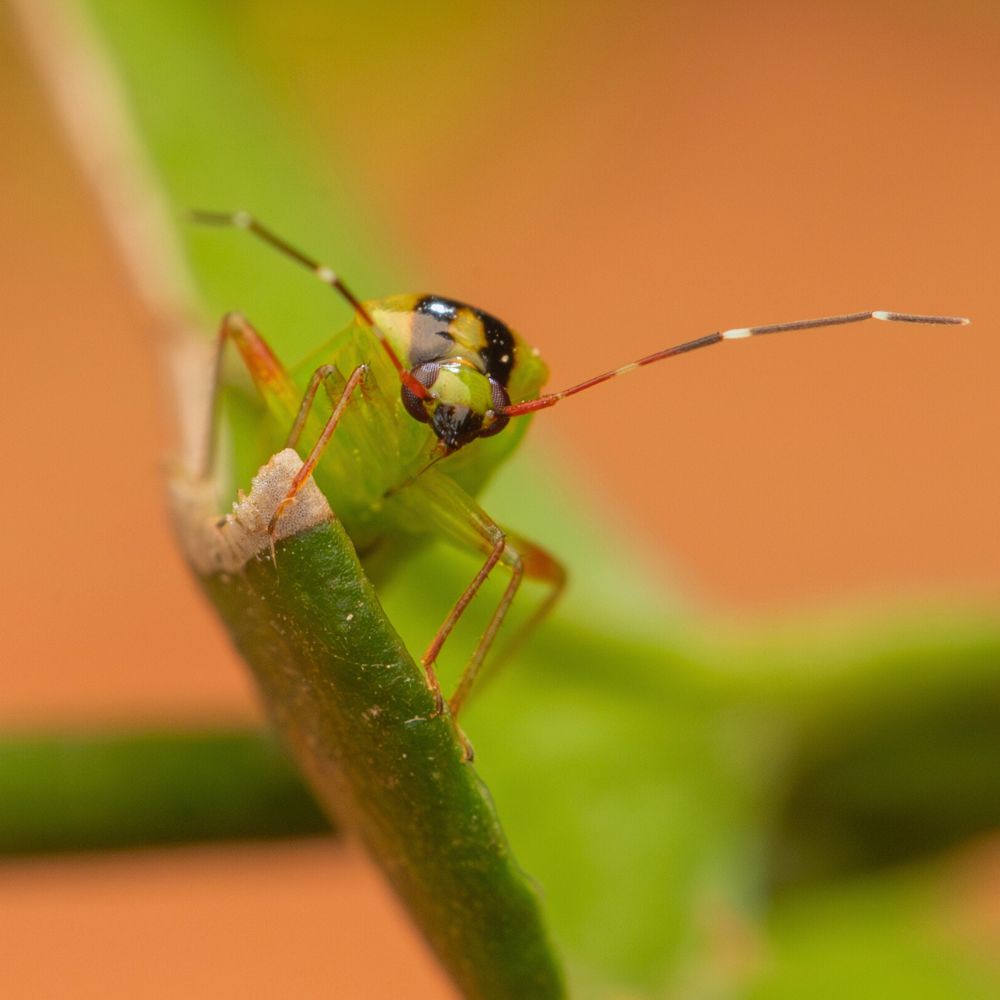
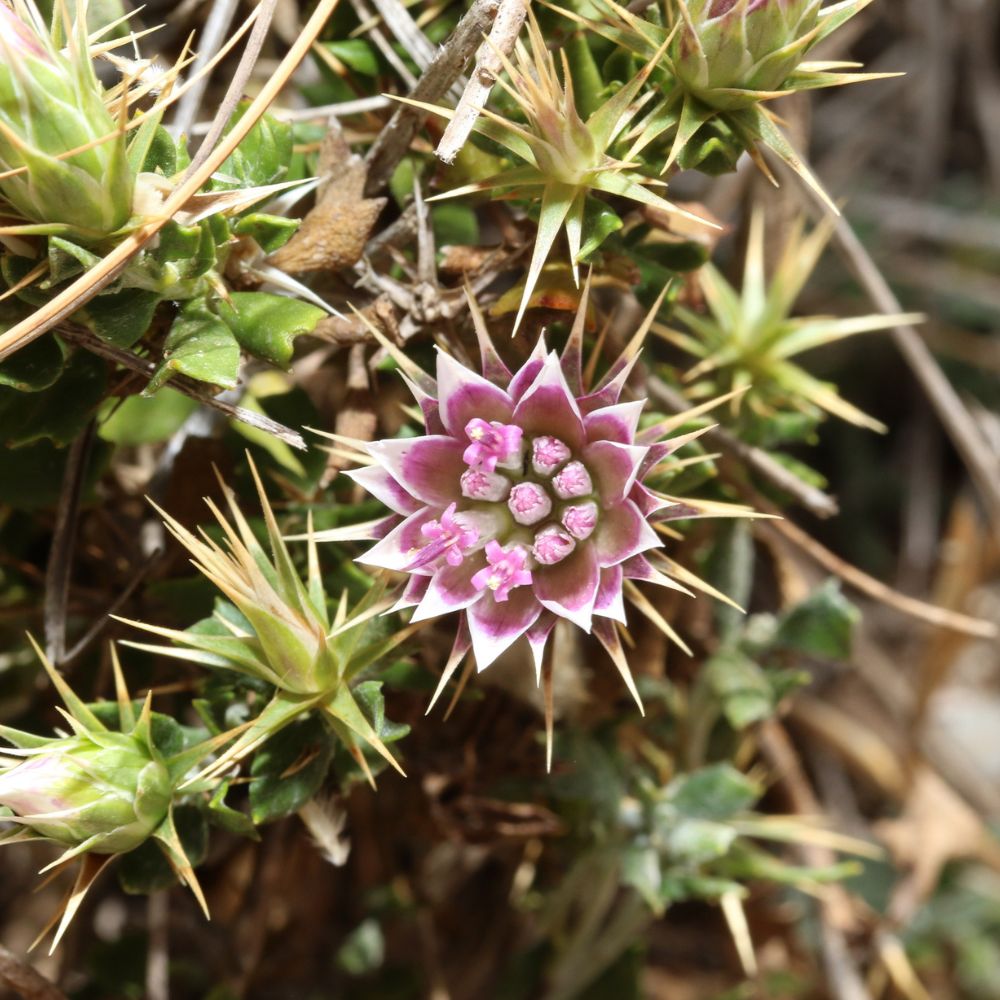
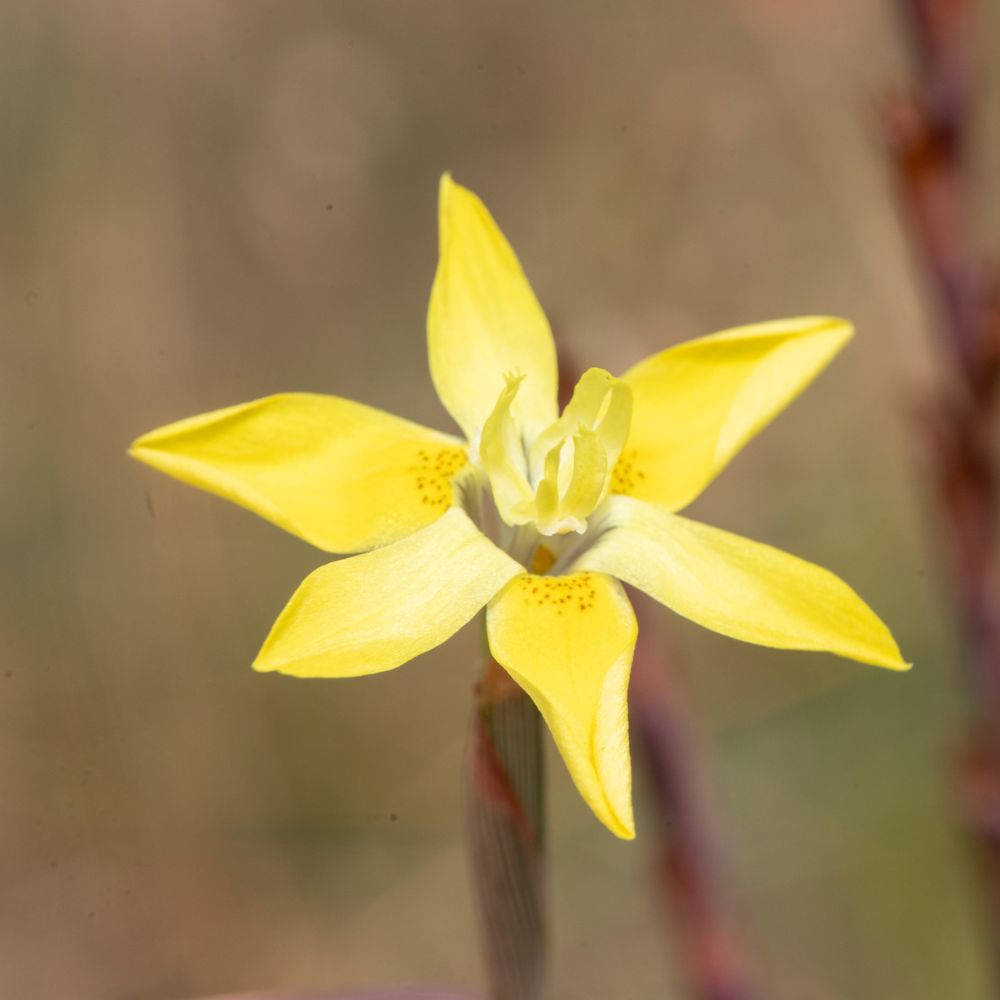
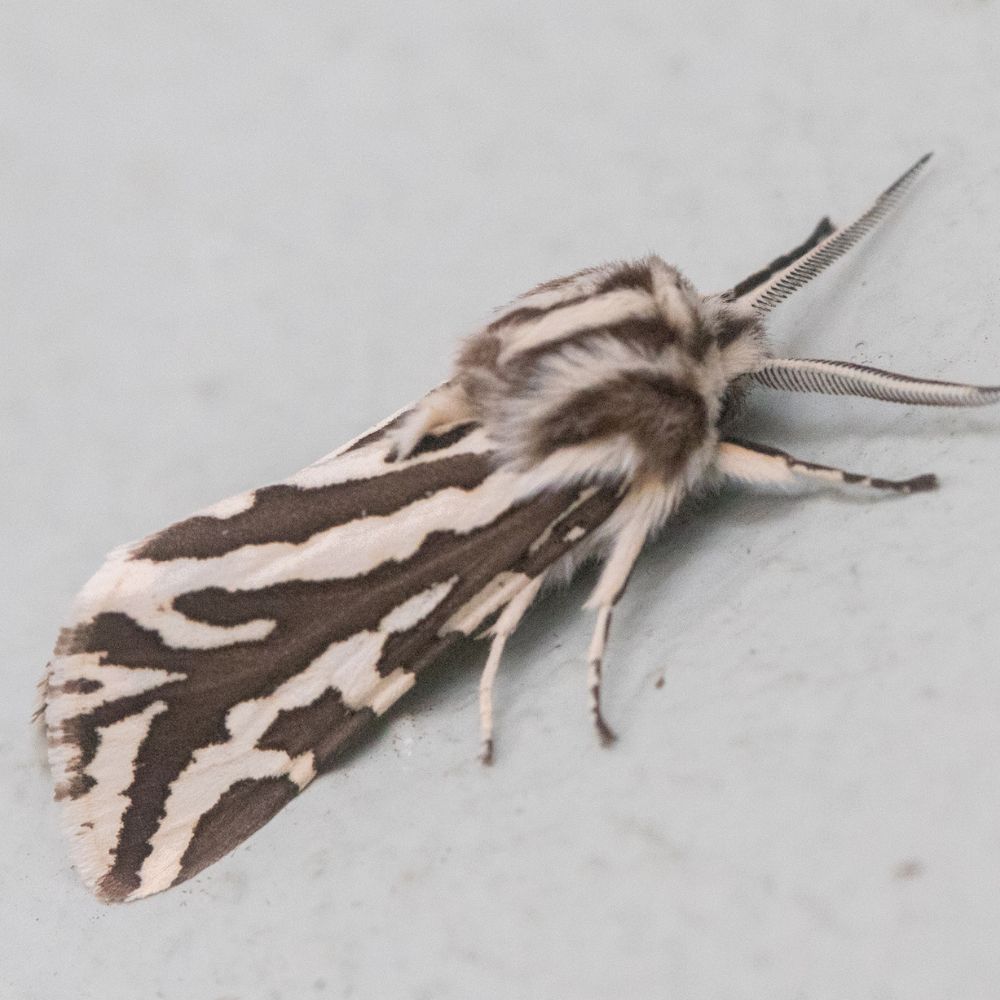
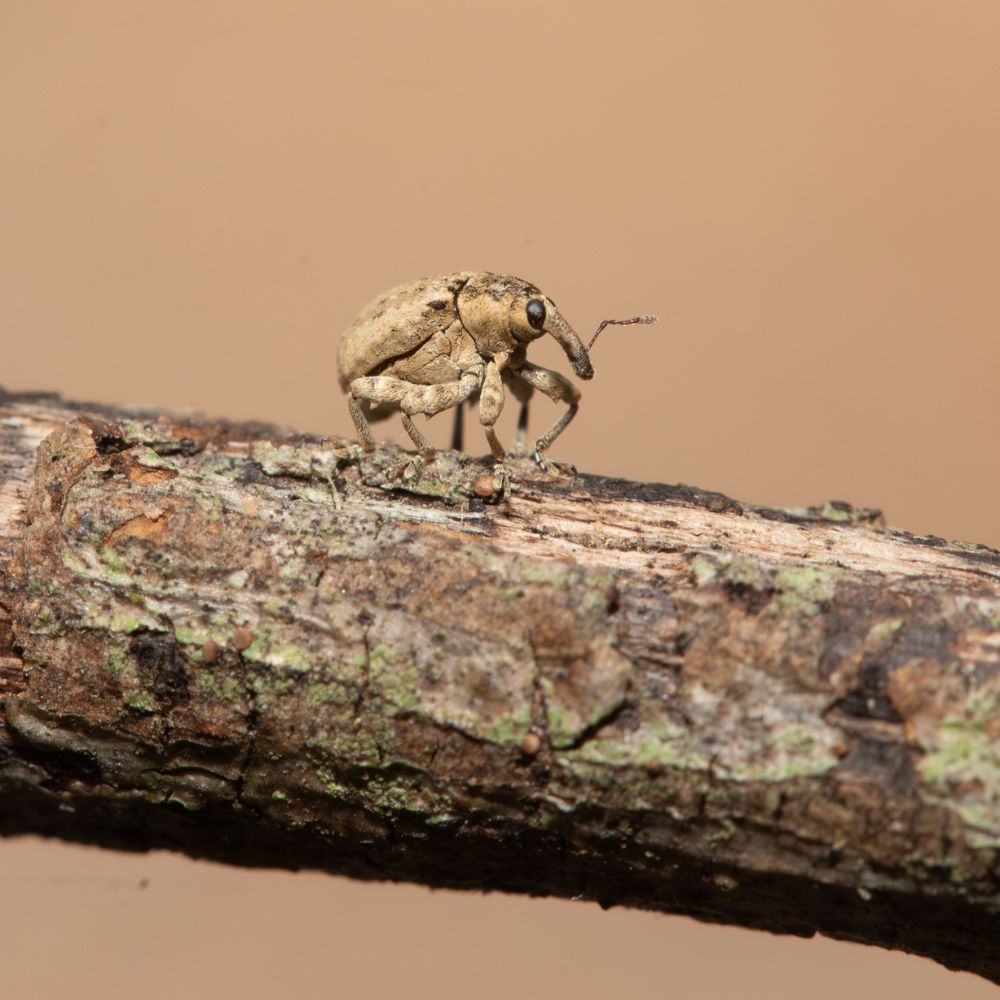
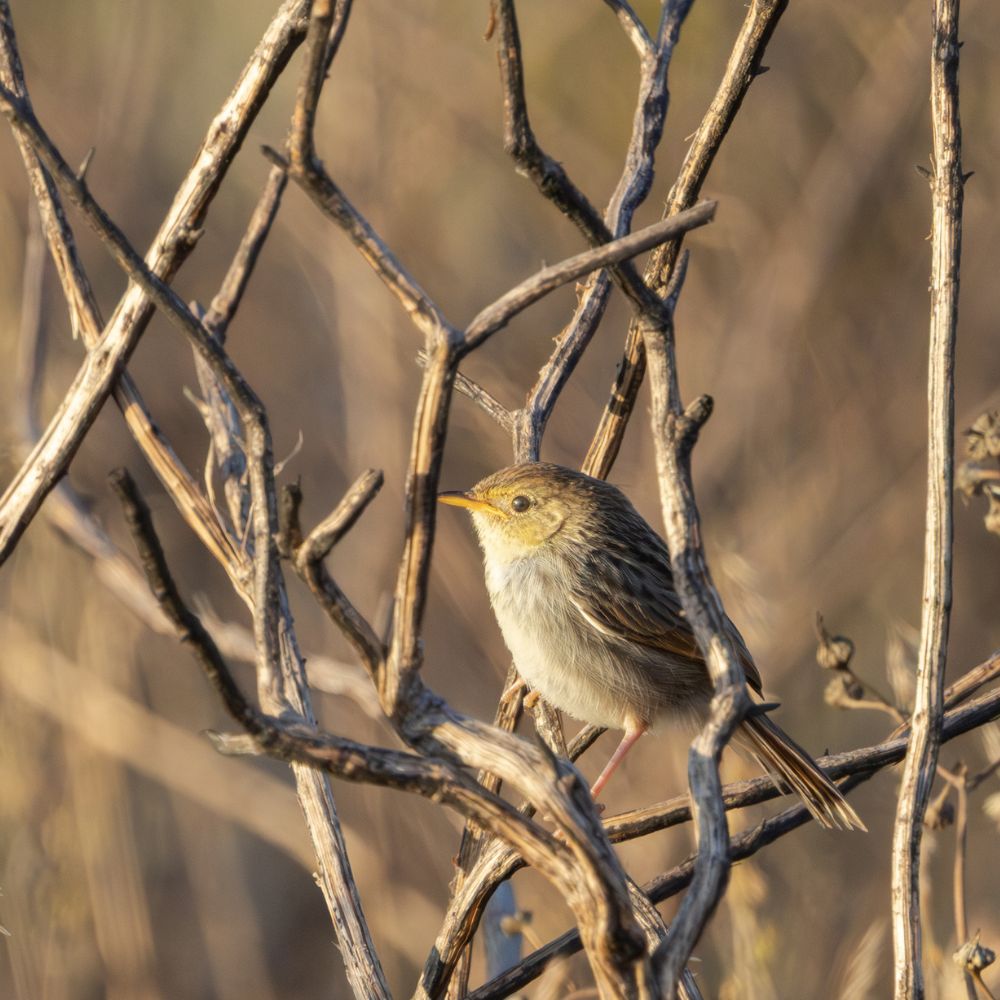
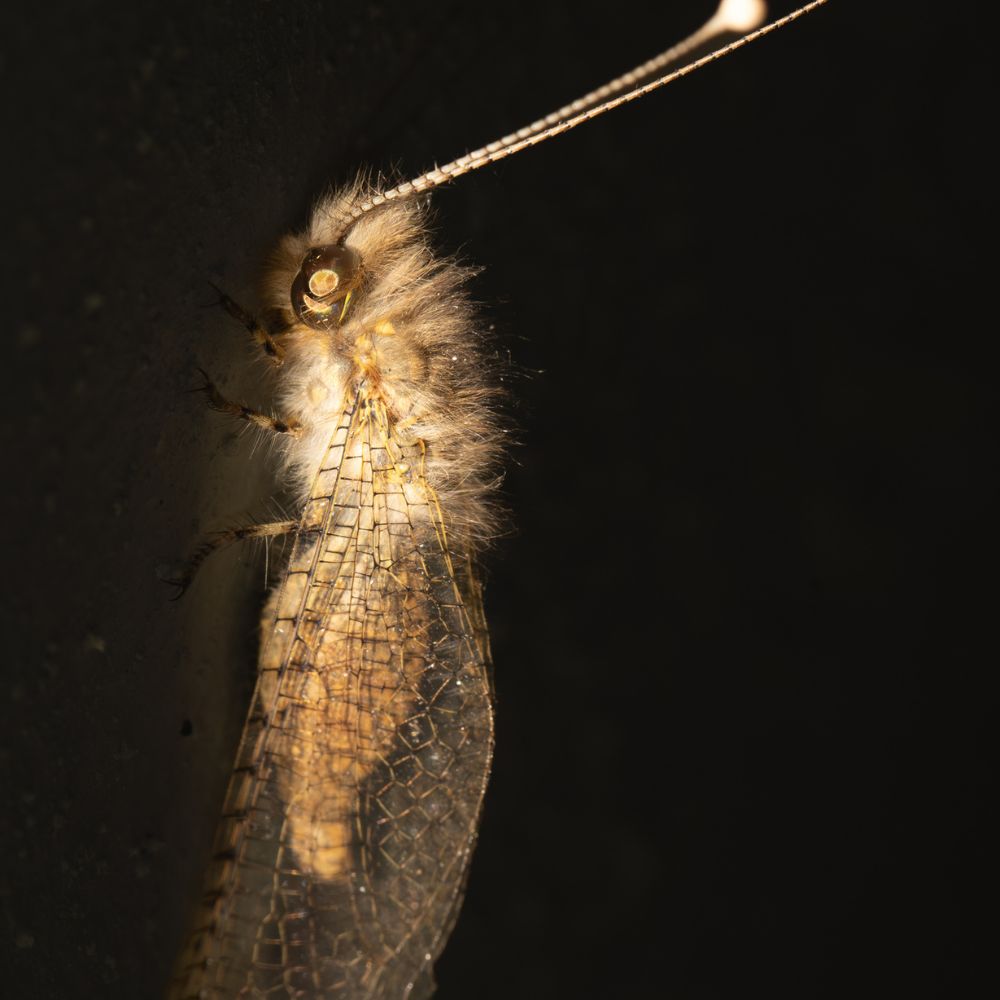
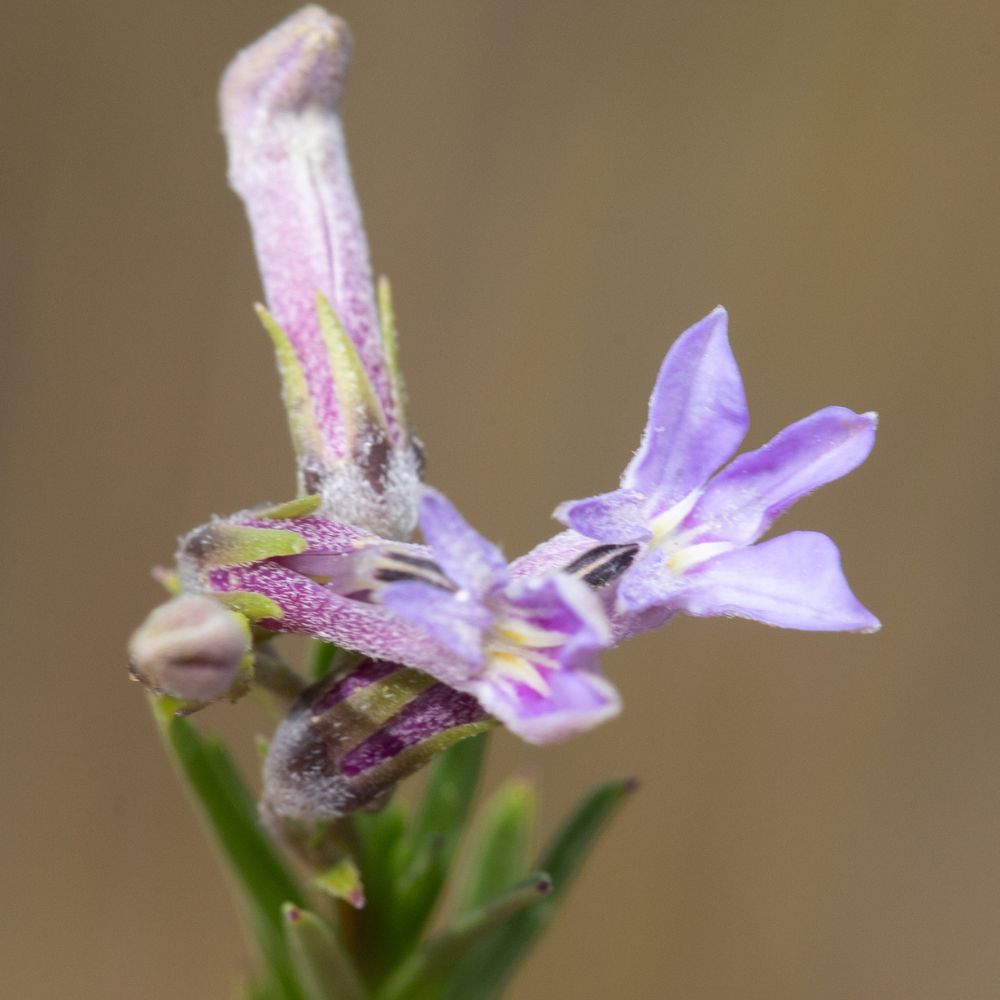
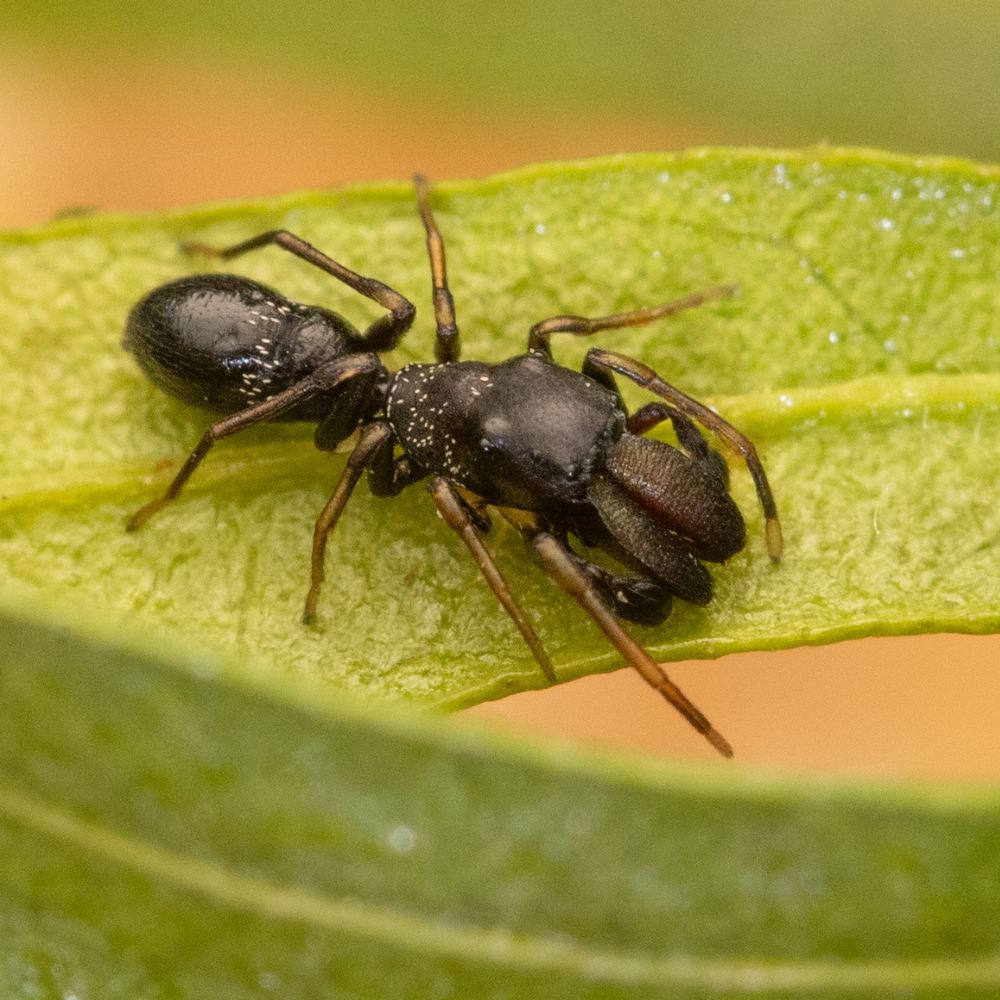
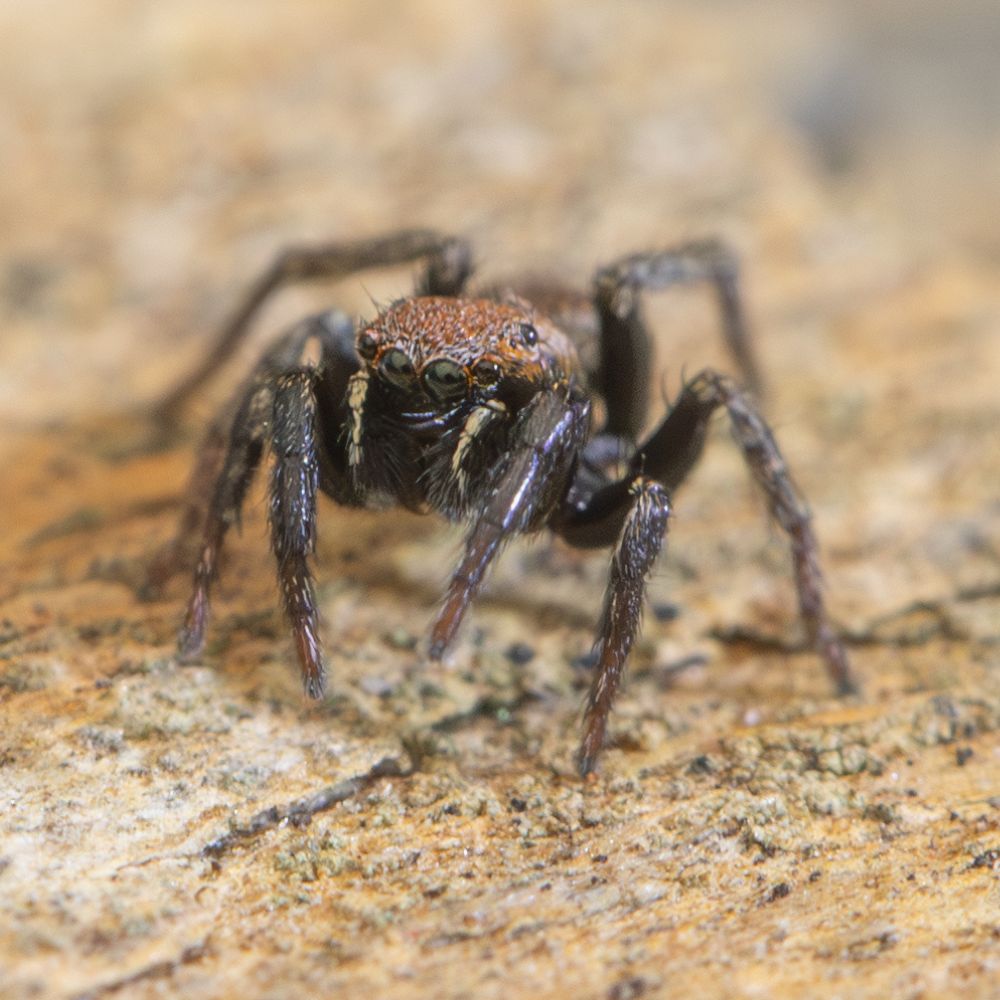
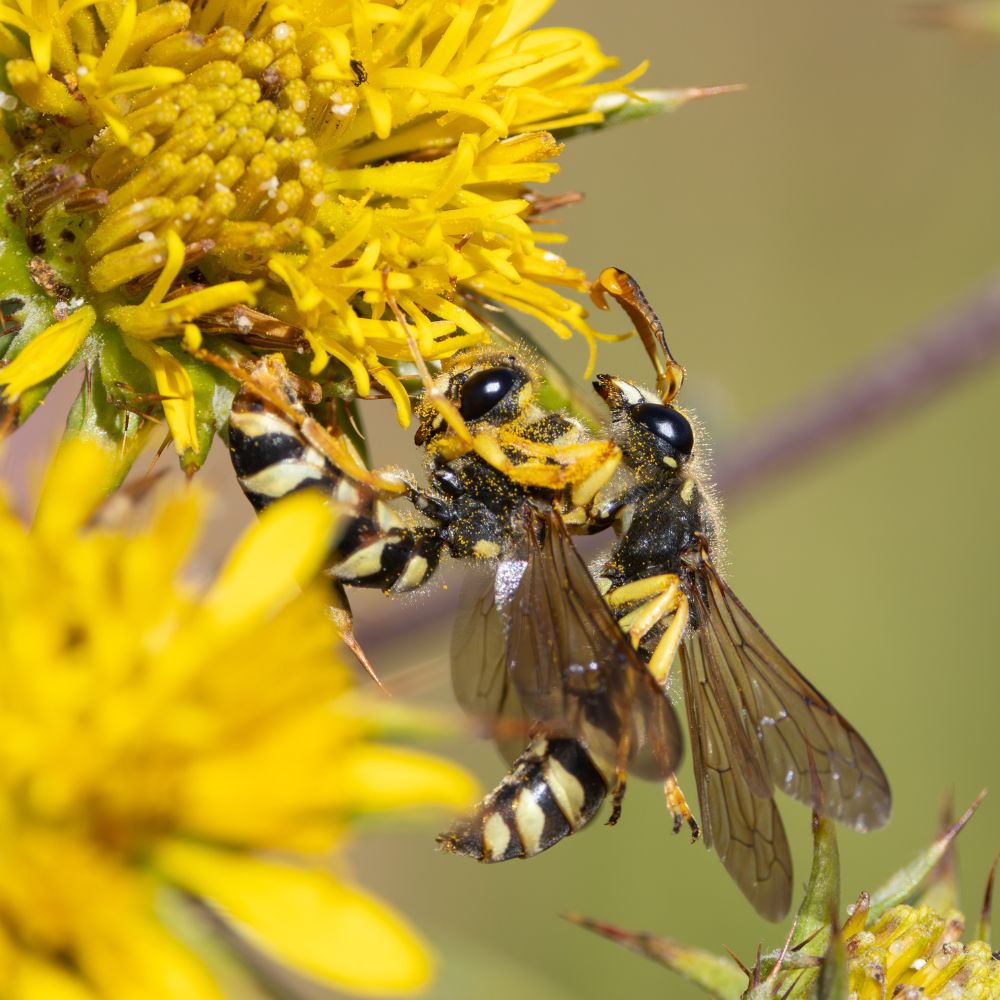
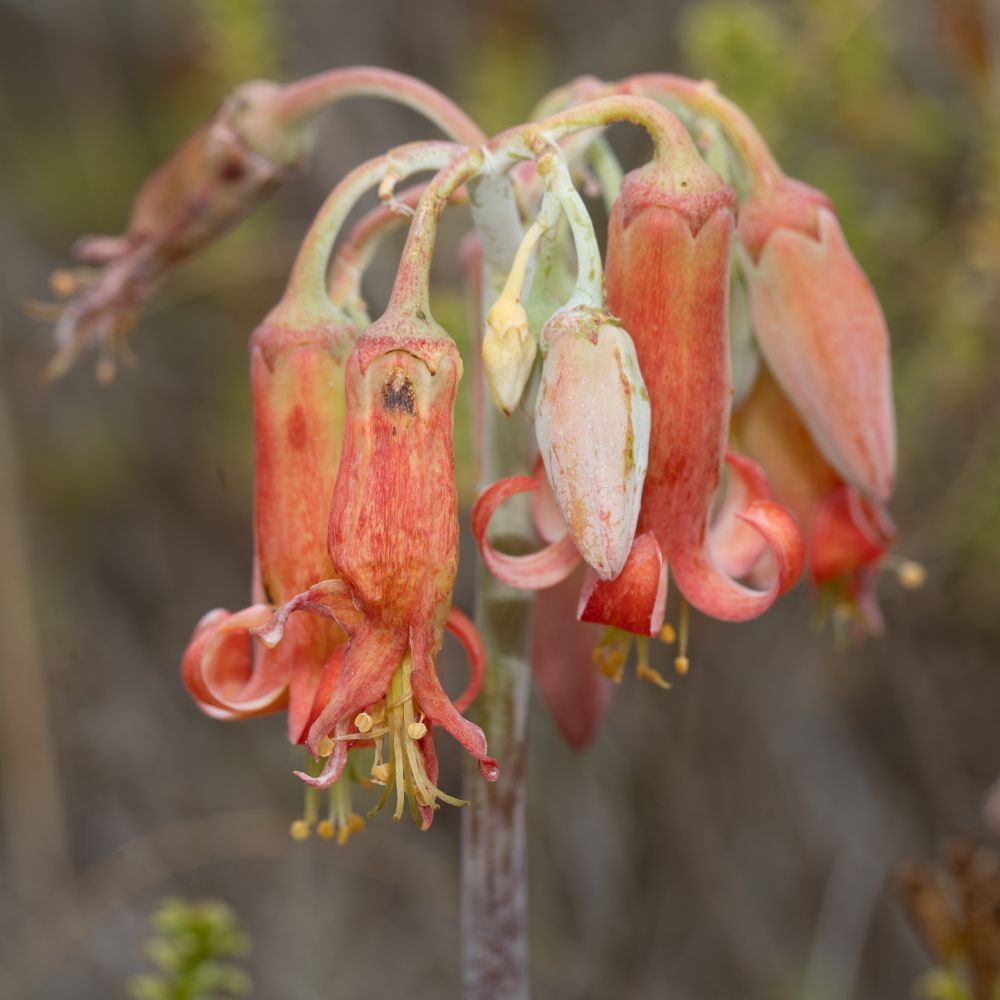
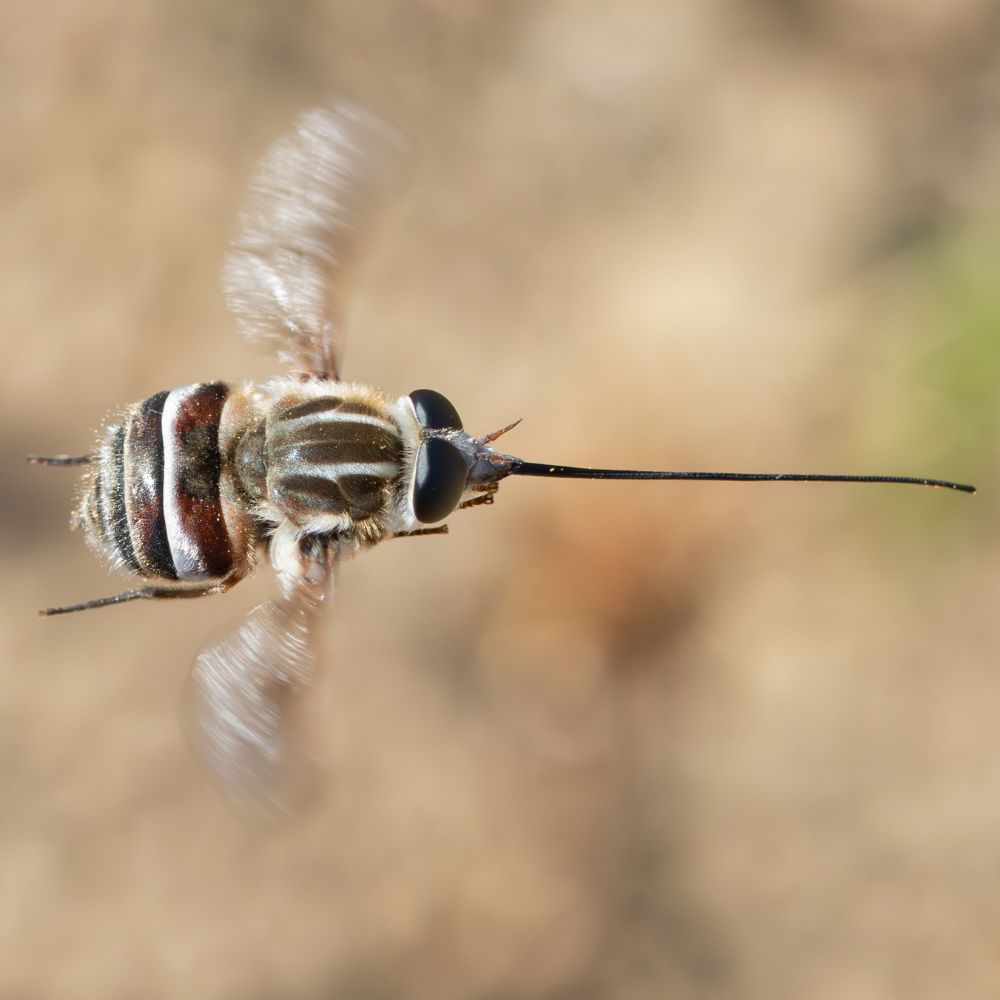
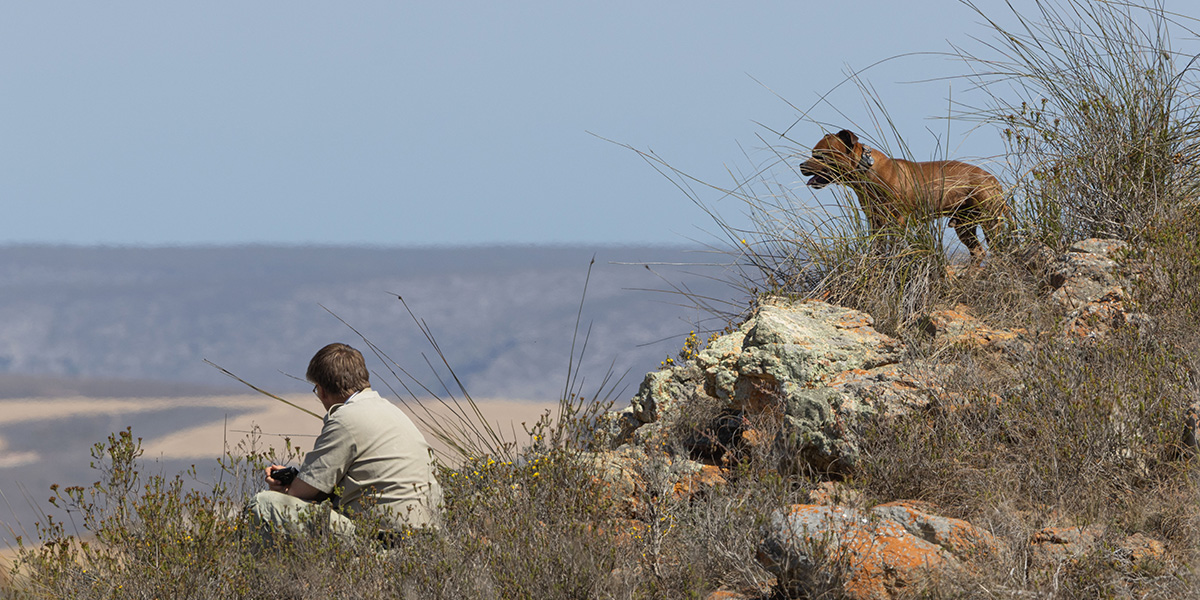
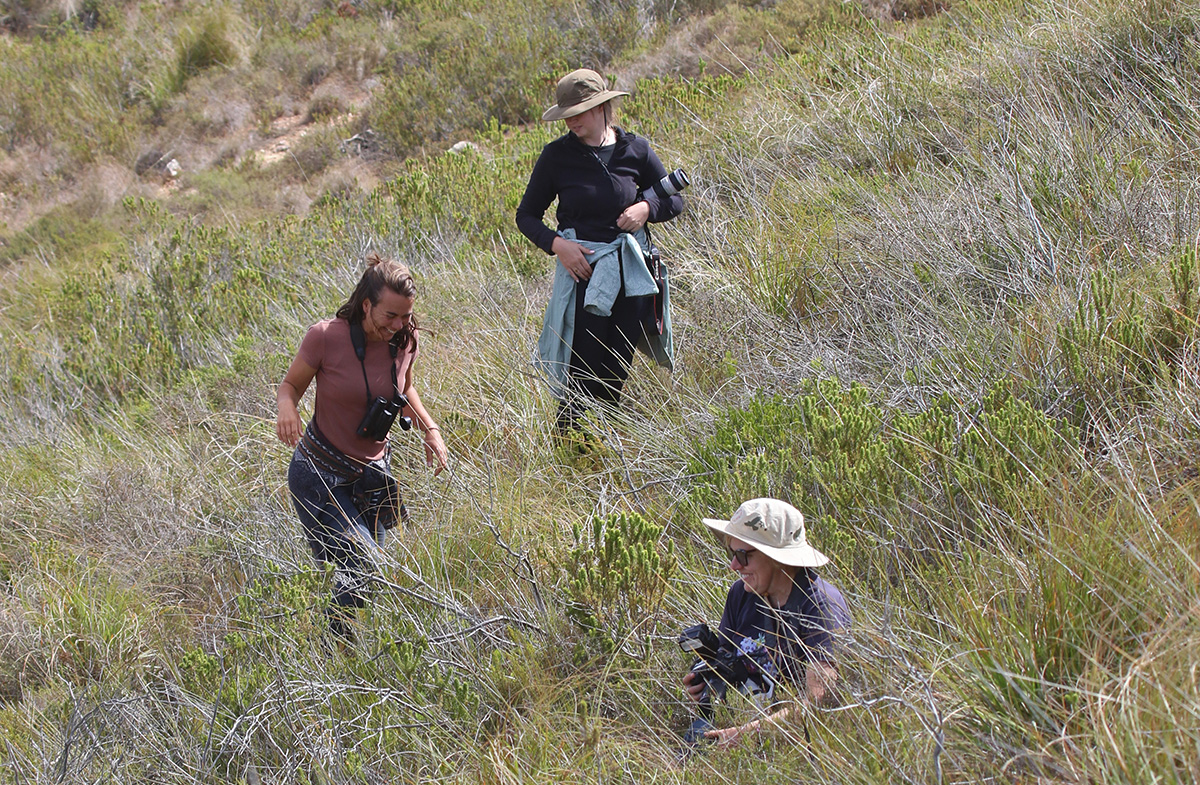
According to Odette, the achievement took a “massive team effort”.
“We were up at the crack of dawn every morning to check our Shermans. Then we’d walk, observe and log species all day long – and keep photographing until late into the night. It was exhausting, but exhilarating!”
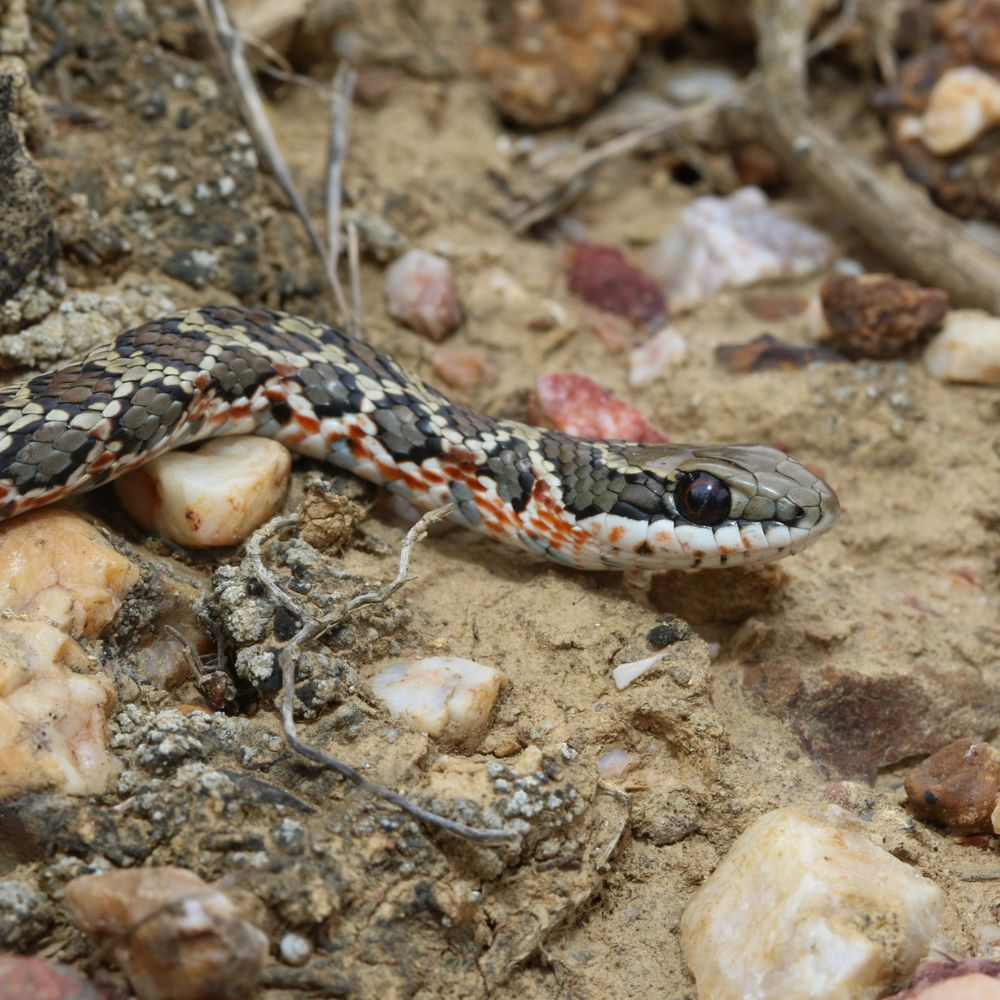
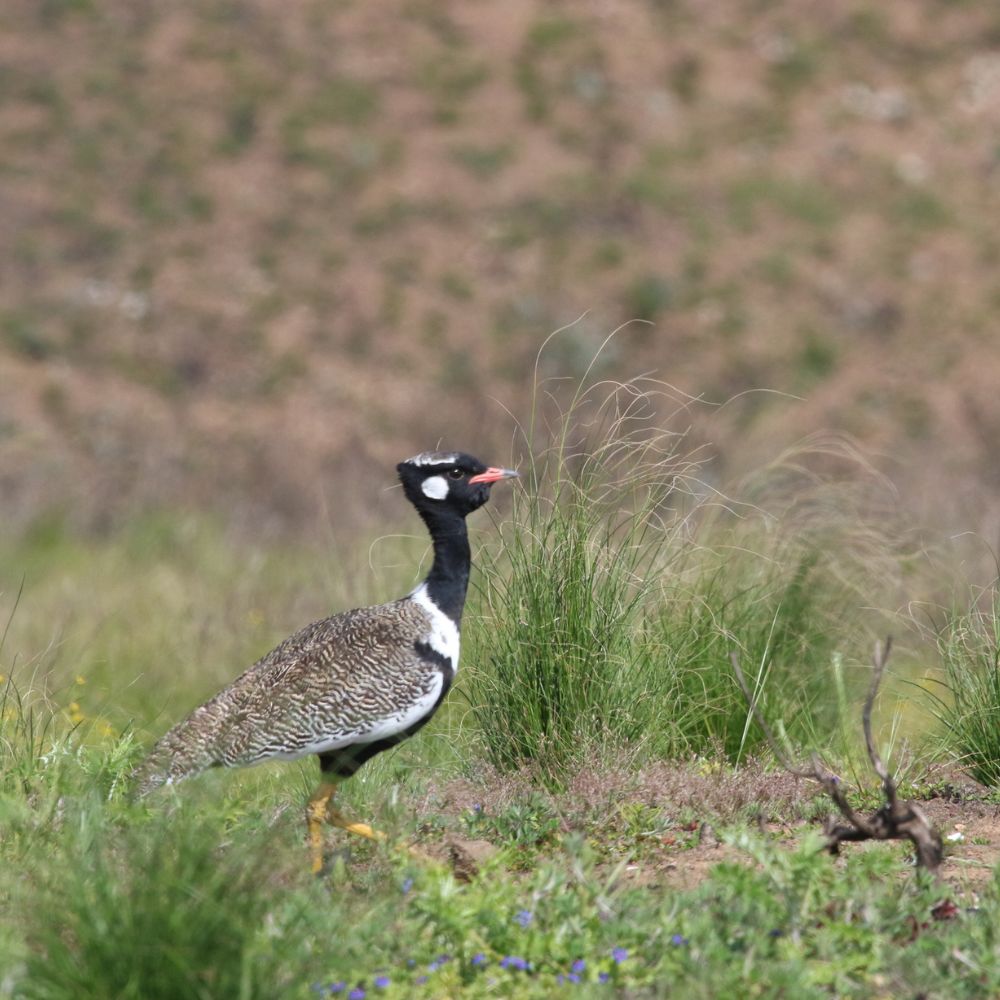
While plants are the easier targets for renosterveld bioblitzing, the team always uses a broad approach to showcase the incredible diversity – this year expanding their focus even further to include more insects, arachnids and fungi – the smaller threads that hold this ecosystem together. Nearly half of all species recorded were plants, with insects making up 26%, birds 12%, arachnids 6% and fungi 5%. This shows and emphasises the value of this initiative to focus on recording all forms of life in our ecosystems.
The team concentrated their efforts on day one on some special sites in the Western Rûens, while the following three days were spent exclusively on ORT reserves: Haarwegskloof Renosterveld Reserve and Plaatjieskraal. The latter is a newly protected site acquired in 2023 with support from WWF South Africa, World Land Trust, WildLandscapes International and IUCN NL.
Regenerative farming: Do you really know your farm?
Speaking at a Regenerative Agriculture Landowner’s Day organised by the Overberg Renosterveld Trust in partnership with WWF South Africa in June
A book for all ages, to bring out the child in you
A new, richly illustrated children’s book is hoping to inspire a lifelong love of nature by telling the story of one of South Africa’s most threatened birds – the Black Harrier, BirdLife South Africa’s Bird of the Year for 2026.

Renewable energy the need for clearer direction
One of the greatest supposed solutions to climate change on a global scale is proving to be one of the greatest conservation challenges facing the Overberg today.
Springtails jump into focus
Some discoveries sparked particular excitement. One new focus was on springtails – tiny, jumping creatures that belong to their own class, Collembola. Though they resemble insects, these wingless arthropods, ranging from 0.25mm to 8mm, are a world apart. They vault into the air using a spring-like tail structure, feed on decaying plant matter and fungi, and play an important role in soil health.
For Odette and Extension Officer Eugéne Hahndiek, finding and photographing springtails became a new adventure (and a lesson in patience).
“They’re so small they can fit on the head of a pin,” Odette said. “Trying to capture one in a vial without losing it was an extreme sport!”
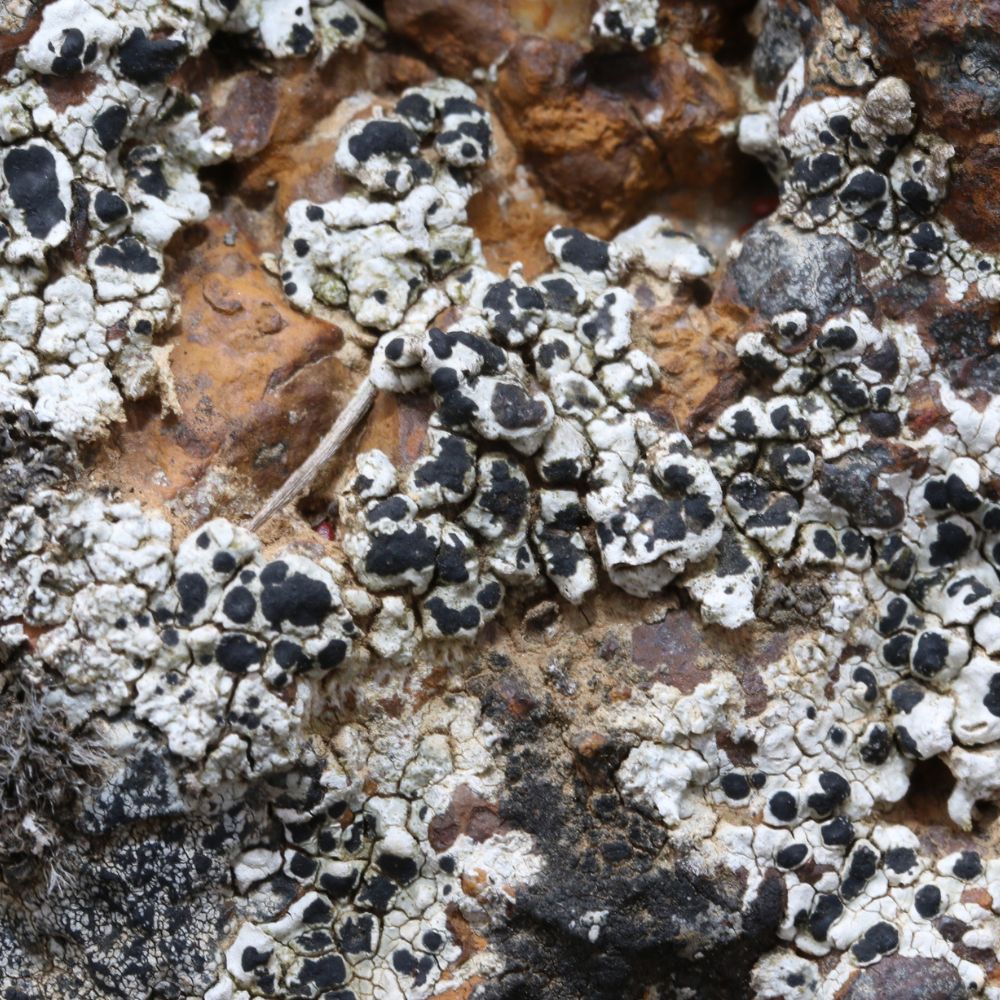
Appreciating renosterveld lichens
Meanwhile, Grant turned his lens to the great diversity of ant species and lichens, another underappreciated part of the renosterveld web of life.
For the ORT team, the Great Southern Bioblitz is about far more than data points. It’s a way to deepen their understanding of the renosterveld’s full cast of characters, from the minuscule springtail to the secretive aardwolf.
“Every year we learn something new while we bioblitz,” Odette said. “And that’s why we keep taking part. It’s how we show, again and again, just how extraordinary and full of life this landscape is. We’re proud to be part of it.”
Latest Renosterveld News
A new renosterveld species discovered at Haarwegskloof
In the heart of the Overberg, within one of the world’s most threatened ecosystems, a renosterveld species has waited for millennia to be officially recognised.
Latest Renosterveld News
Less than 5% of renosterveld remains today. Much of what survives exists on privately owned farmland.
From one to 23: A protected renosterveld network emerges
Protected fragments of renosterveld across the Overberg are starting to form something far more meaningful than isolated patches.