A birding weekend not to be missed
Bird lovers and conservation enthusiasts, eager to deepen their birding knowledge and bird with a purpose, converged on our Haarwegskloof Renosterveld Reserve in November, to learn from one of the country’s top conservation biologists. Dr Alan Lee of BirdLife South Africa hosted the final Wild & Wise Retreat for the year – inspiring birding for conservation through a fun, interactive weekend in nature.
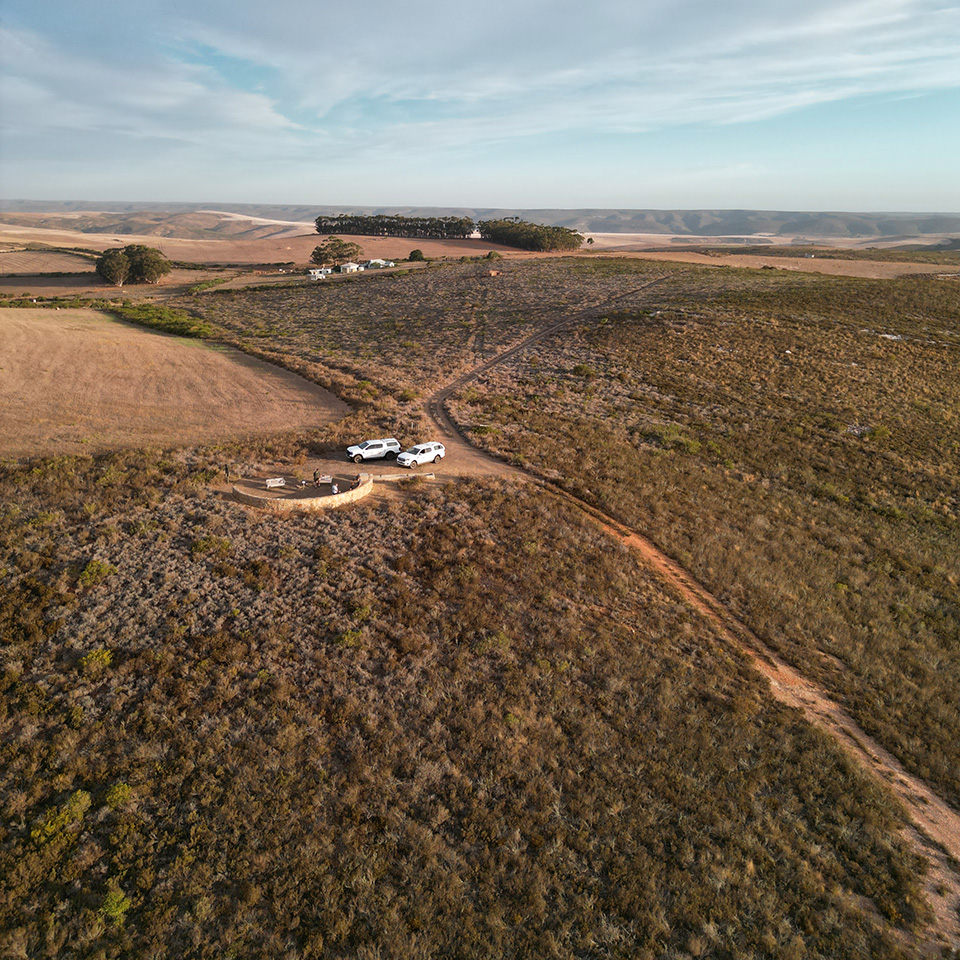
The retreat balanced enjoying the great outdoors and spotting birds at Haarwegskloof with learning about the theory behind bird conservation and making birding more meaningful in South Africa. Attendees took part in several walks, including one to the reserve’s scenic lookout – a perfect spot to observe birdlife while soaking in sweeping views of the surrounding renosterveld countryside.
That evening included a dose of theory, as Alan explained how bird communities vary across fynbos, renosterveld, farmlands and wetlands, setting the scene for the hands-on weekend experiences to come.
The value of CAR counts
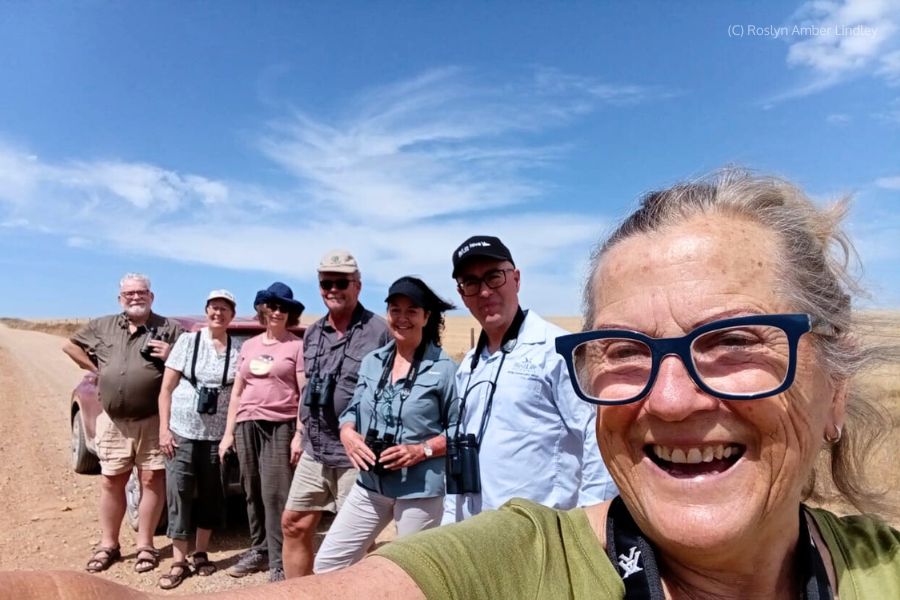
Participants rose early on Saturday for a light breakfast and an introduction to Coordinated Avifaunal Roadcounts (CAR), a bird-monitoring technique crucial for conservation efforts. The group then set off on a CAR survey drive, practicing roadside bird surveys across the landscape.
Some of the renosterveld specials the birders saw included Cape Clapper Lark, Agulhas Long-billed Lark, Southern Black Korhaan and Black Harrier.
After lunch, the retreat shifted indoors with a workshop on data entry using the BirdLasser app and the Southern African Bird Atlas Project (SABAP2) platform – key tools that enable citizen scientists to contribute valuable data. The afternoon ended with an atlasing walk through the renosterveld, recording species sightings for the SABAP2 atlas.
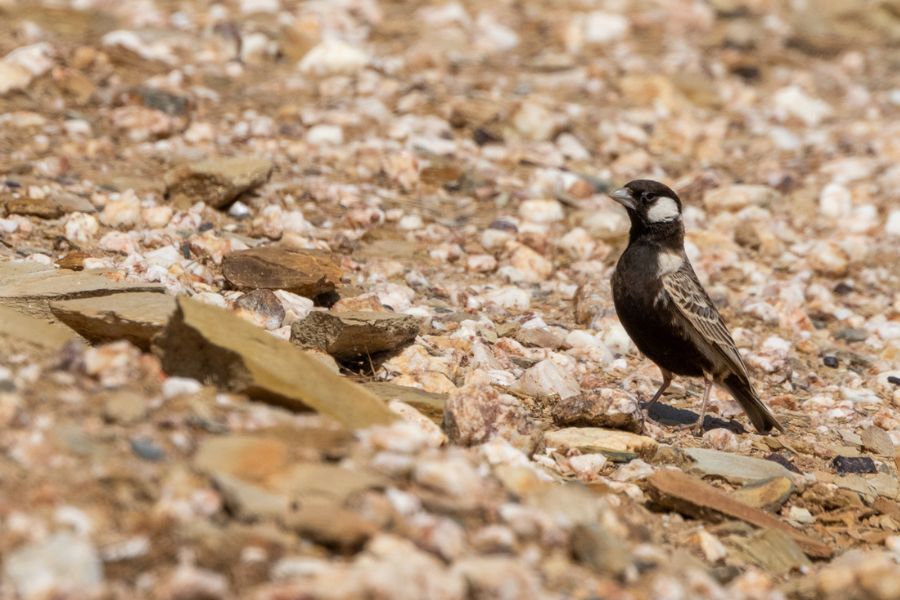

Seeing birds up close
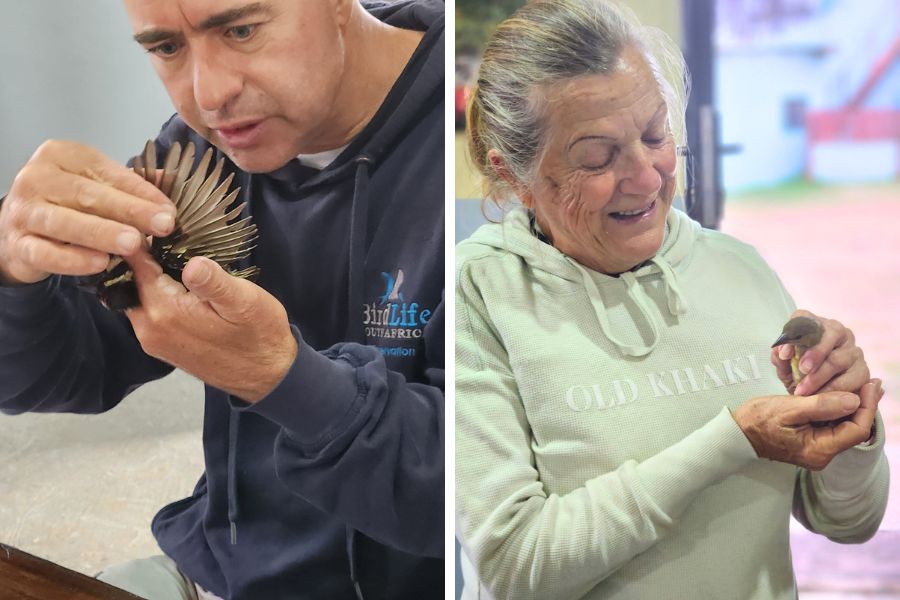
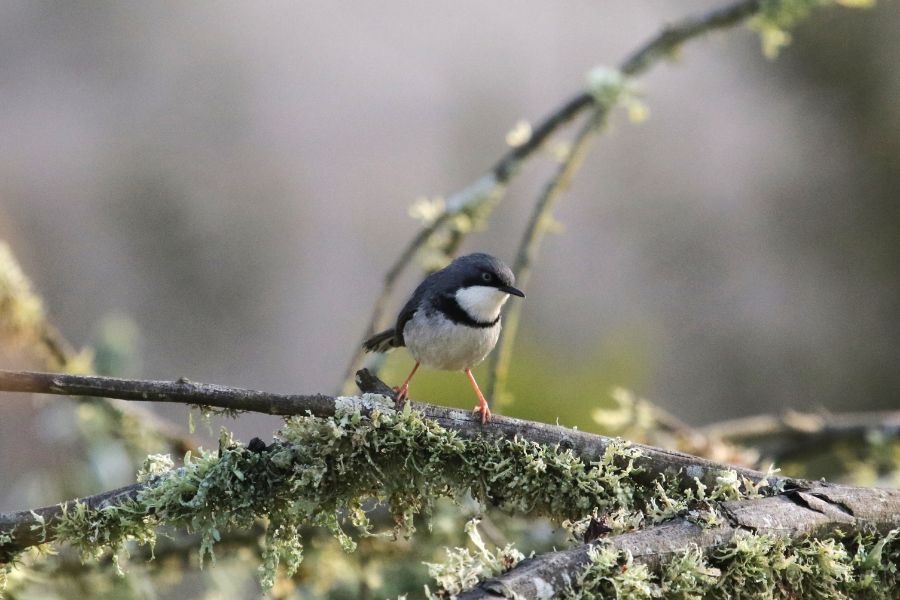
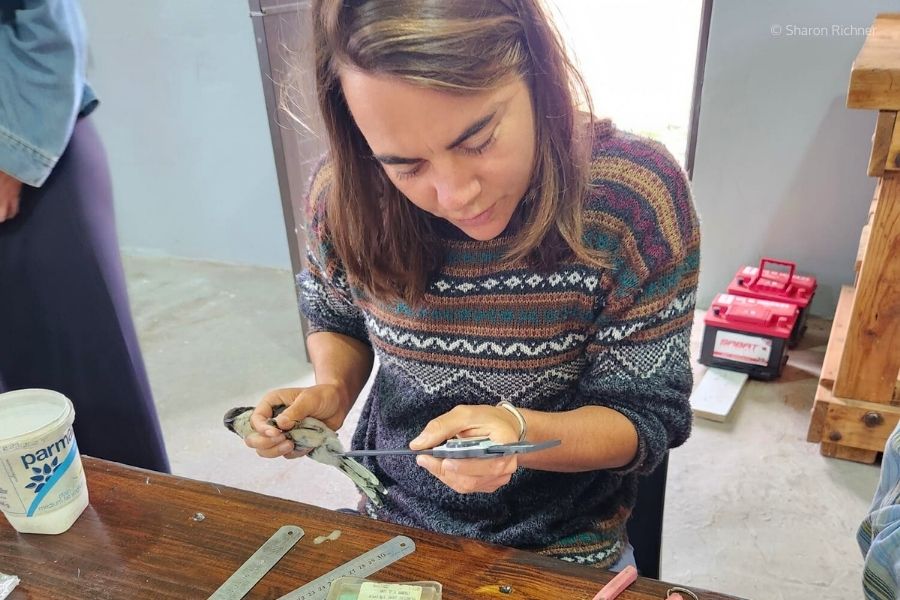
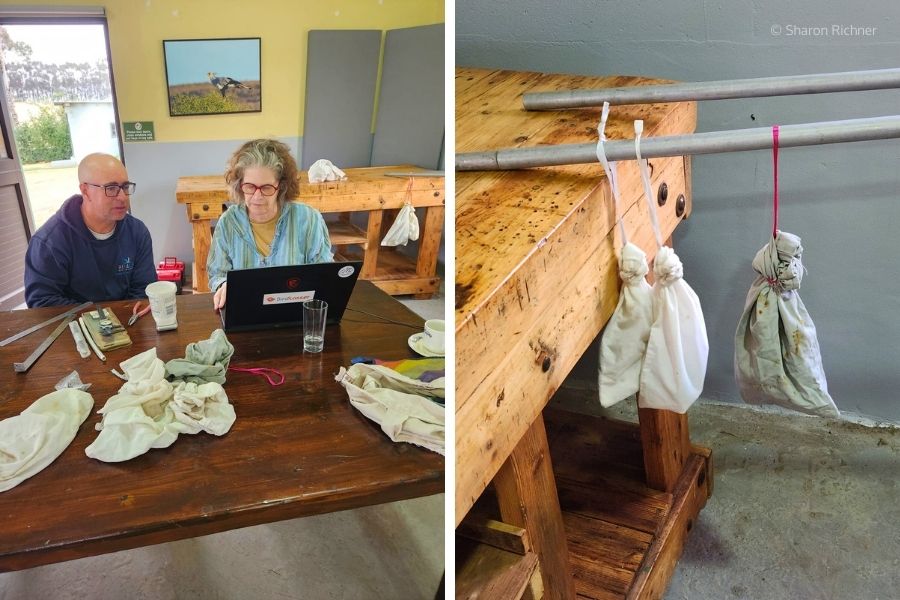
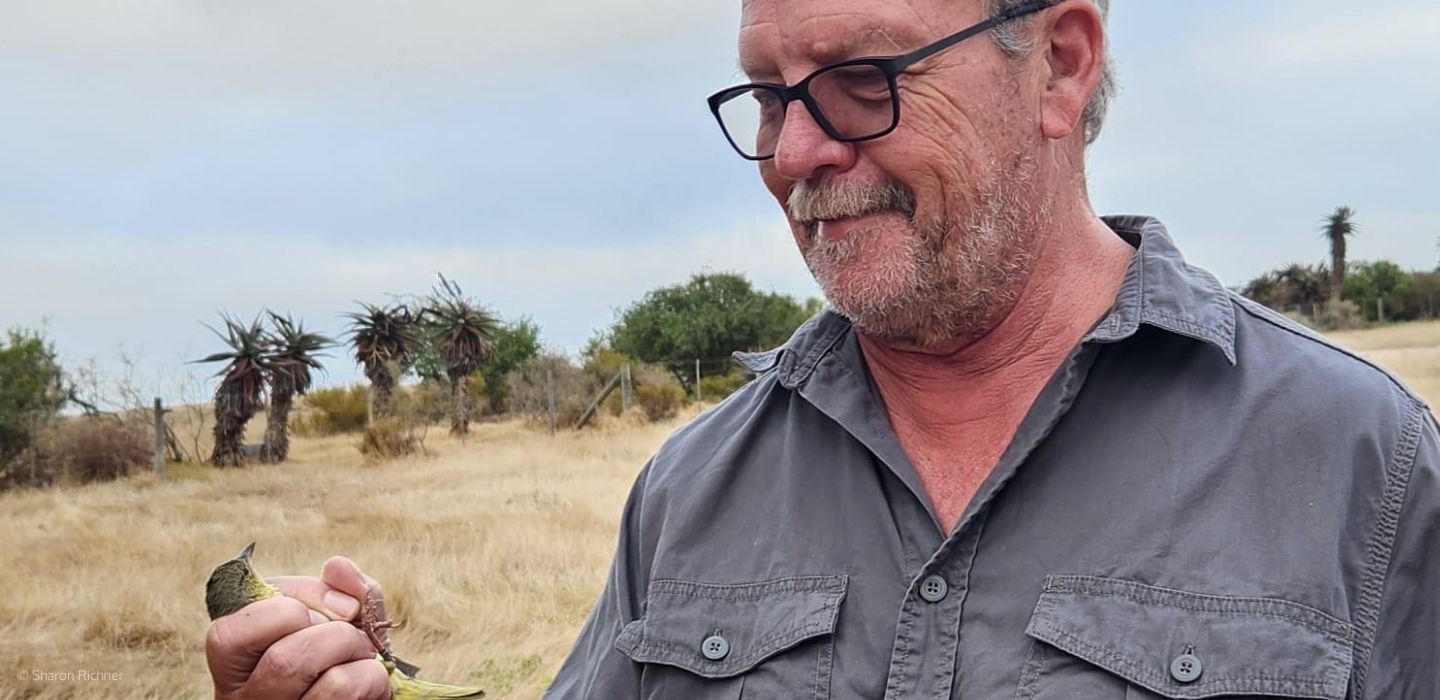
On Saturday evening – after another delicious meal prepared by Dee Robinson of Tuck Tuck ZA – Alan prepared workshop attendees for the following day’s bird ringing. And Sunday morning, before the sun had risen, mist nets were set up. The birds that were caught in the nets were measured and ringed before they were released – contributing to important scientific research. According to Dutch volunteer Toni Hoenders, who joined the retreat, “Everyone really liked to see the birds up close! As a birder you often see them from a distance, and especially a bird like the Bar-throated Apalis is often hiding in a bush.”
Some of the birds that were ringed included Cape Weavers, Southern Fiscals and even one Acacia Pied Barbet with a brood patch (implying she had been incubating and had a nest nearby).
Toni added, “Alan showed how he did the measurements and how to register them on the data sheet. The participants also assisted with putting up and breaking down the nets, registering the data and releasing the birds.”
The weekend wrapped up with a final birding walk, giving everyone a chance to reflect on their experiences and savour the birdlife of Haarwegskloof.
Testimonials speak to the retreat’s impact:
“A special thanks to Alan who managed to convey/involve us in a citizen science project with his pleasant interaction with us. The weekend delivered more than I expected in terms of birding science knowledge.” – Johan
“Definitely a very educational experience thanks to Alan. Appreciated the warm hospitality (of the ORT team).” – Sharon
Interested in joining next year’s Wild & Wise Retreats?
Whether you’re a seasoned birder or just curious about conservation, these retreats offer a unique blend of learning, hands-on experience and connection with nature in the largest connected stretch of renosterveld left on Earth. Alan will be back in 2026, so book your place early to ensure a spot!
Dates for 2026 Wild & Wise Retreats are already in place – we’ve got more here.
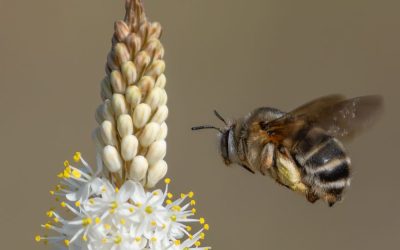
An invisible crisis in renosterveld
The tiny relationships holding everything together. Together with fire, these animals drove the structure of the renosterveld ecosystem and the constantly changing ratios of shrubs to grasses.
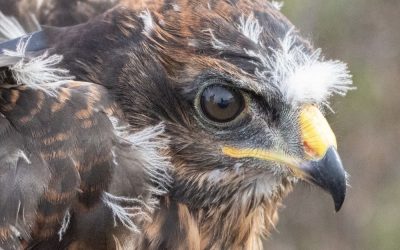
Tracking young Black Harriers reveals a harsh reality
Every young Black Harrier that leaves the nest faces an uncertain future. For this endangered raptor, the first year of life is the most dangerous – a time when hunger, predators and wildfire can all prove fatal.
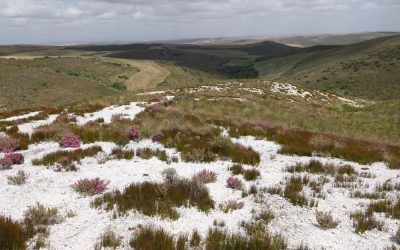
Quartz islands in renosterveld: Small, specialised – and under threat
When walking through renosterveld, your eye may suddenly catch bright white patches shimmering among the green-grey vegetation. These patches look like small islands surrounded by typical renosterveld vegetation – and that is exactly why they are called quartz islands.
Latest Renosterveld News
An invisible crisis in renosterveld
The tiny relationships holding everything together. Together with fire, these animals drove the structure of the renosterveld ecosystem and the constantly changing ratios of shrubs to grasses.
Tracking young Black Harriers reveals a harsh reality
Every young Black Harrier that leaves the nest faces an uncertain future. For this endangered raptor, the first year of life is the most dangerous – a time when hunger, predators and wildfire can all prove fatal.

Latest Renosterveld News
It’s truly awe-inspiring to see what happens when like-minded people come together around a cause that touches their hearts. When that collective energy fuels efforts to protect our natural world, it carries even more meaning.