OVERBERG RENOSTERVELD CONSERVATION TRUST NEWS
Newsletter 39 | April 2026
by Dr Odette Curtis-Scott
Less than 5% of renosterveld remains today.
Much of what survives exists on privately owned farmland, making partnerships with landowners one of the most important tools we have to protect this globally significant ecosystem.
Over the past few months, we’ve been reminded again of just how important our renosterveld partnerships are. From new conservation easements and expanding ecological networks, to research revealing the hidden challenges facing renosterveld species, our work continues to show that conservation at landscape scale is essential – and urgent.
At the heart of this work are people: landowners who choose to conserve, researchers helping us better understand these landscapes and supporters and donors who make this work possible.
What’s coming up
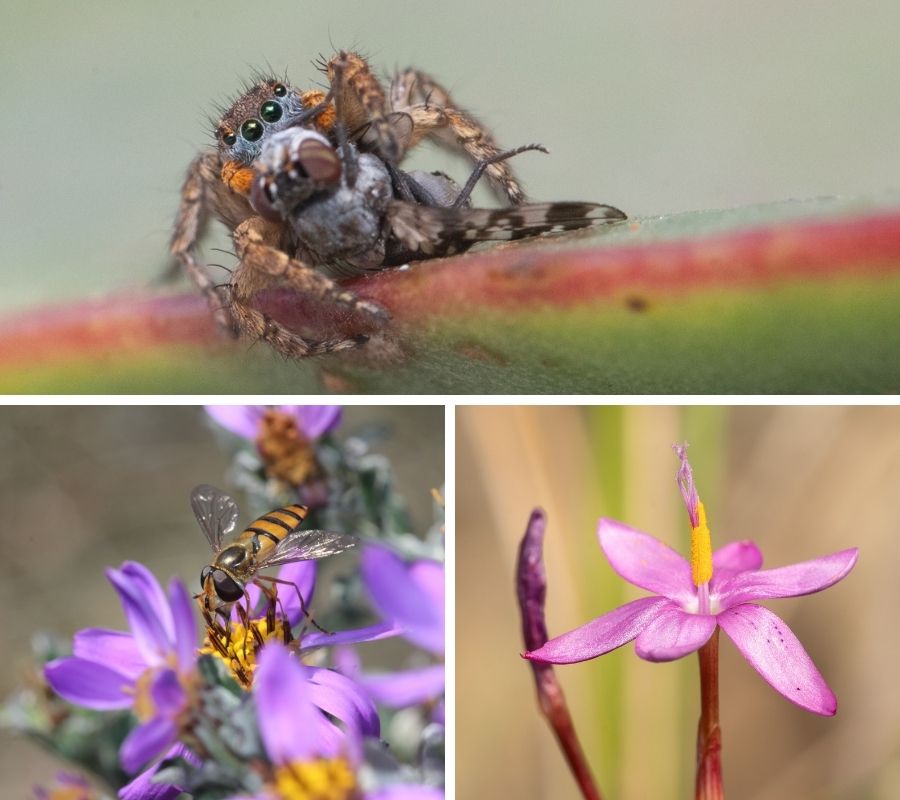
In our latest newsletter, we share a new conservation easement that protects a large, connected landscape, explore the invisible crisis facing pollinators in renosterveld and reveal new and worrying insights from tracking young Black Harriers.
You’ll also find opportunities to visit our Haarwegskloof Renosterveld Reserve this winter, and join us for one of our Wild & Wise retreats.
Thank you for being part of this journey – and for helping us build a more secure future for renosterveld.
Global partners team up to protect renosterveld
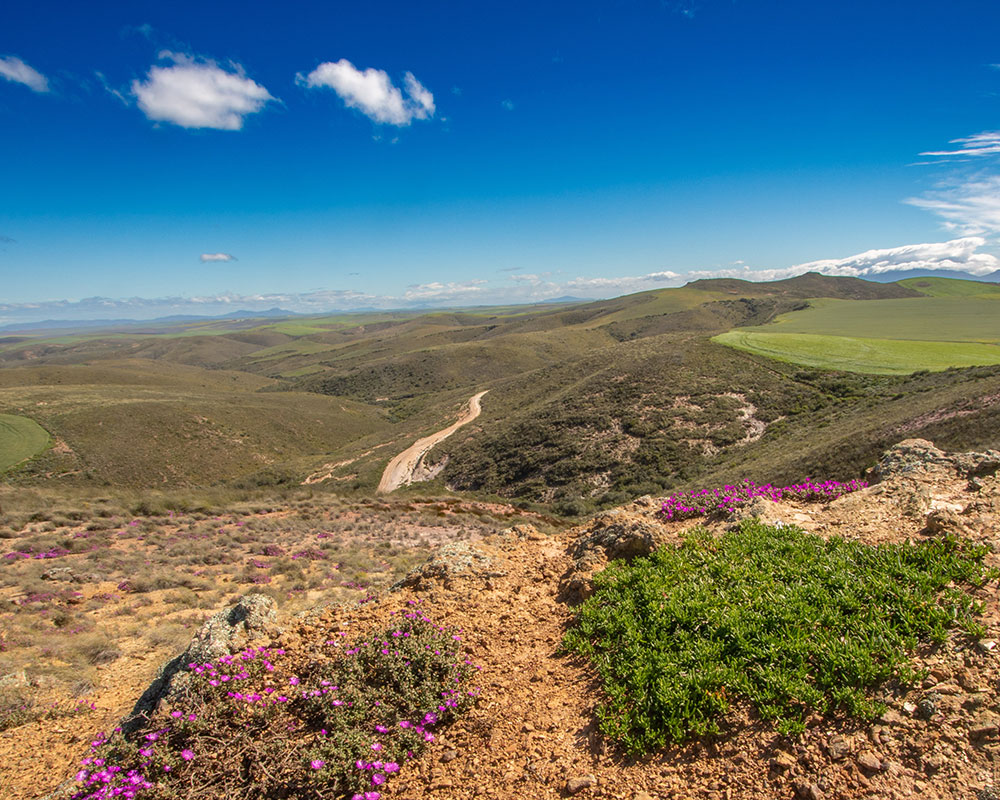
This conservation team has collaborated to buy a key potion of property situated 40km south of the town of Swellendam, called Plaatjieskraal. The farm borders on the 500-hectare Haarwegskloof Renosterveld Reserve
Four Black Harriers tagged in just three days
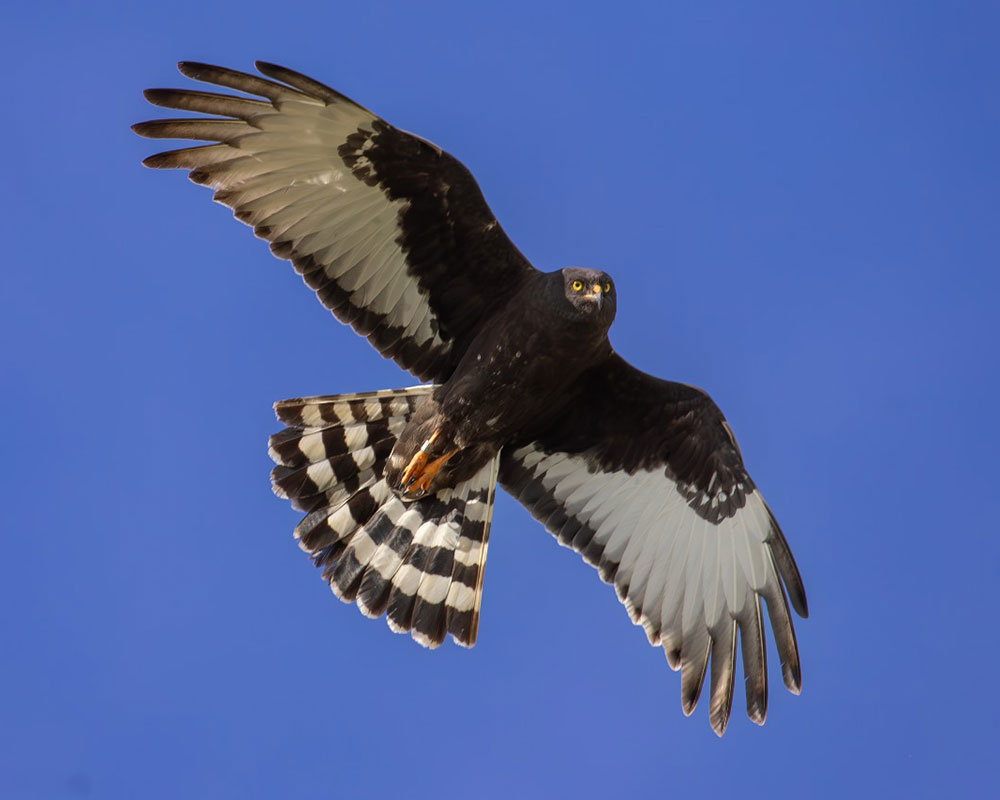
The Overberg Renosterveld Conservation Trust managed to tag four Black Harriers in just three days in November.
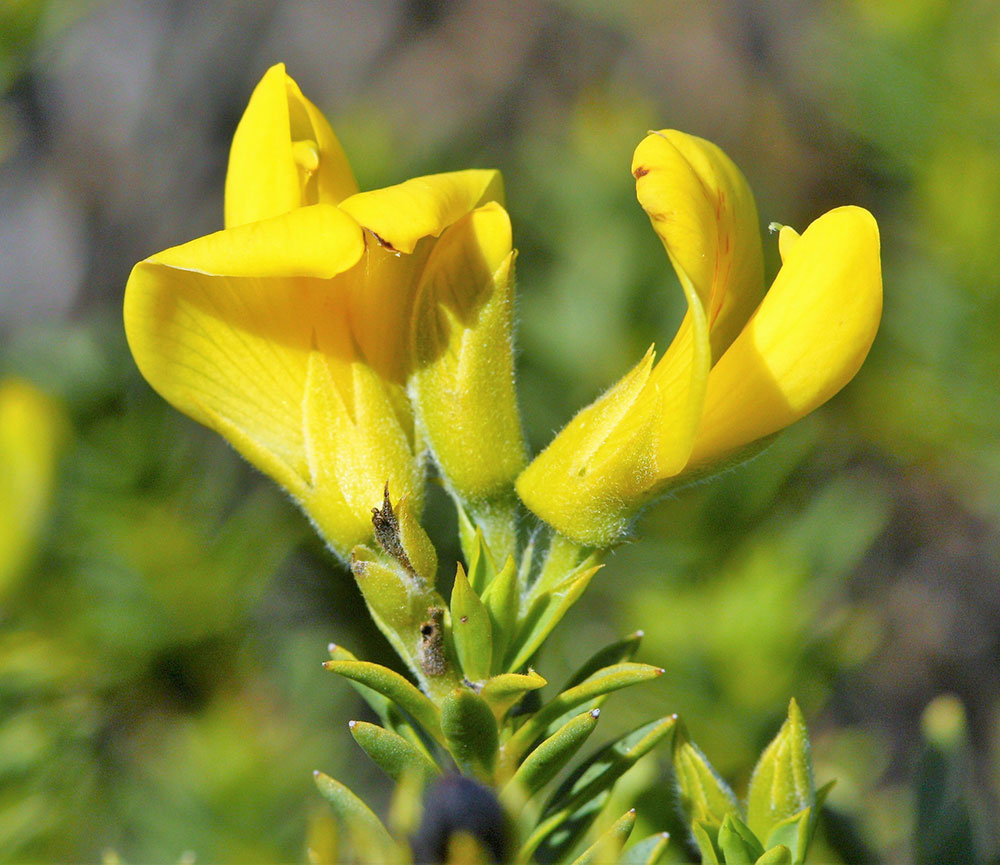
The Pea family: More than a meal in renosterveld
Fabaceae are very easily identifiable, even to the uninitiated. During flowering season, look out for their five-petal flowers.