OVERBERG RENOSTERVELD CONSERVATION TRUST NEWS
Newsletter 32 | Dec 2023
by Dr Odette Curtis-Scott.
A win for renosterveld: But more is needed
It is said that it is both a blessing and a curse to feel so deeply. I think all of us at the ‘coalface’ of conservation can identify with this. But so can many who can see how a landscape has changed, or who read about our human impacts on nature in our newspapers. Our hearts are filled with heaviness by the loss we are seeing across the globe, as well as locally in the Overberg. These rates of loss have not slowed down and one wonders how many treasures have been lost before they were even given a name. On the other hand, our deeply-felt passion is what keeps us inspired and determined to keep fighting the good fight. While we share mostly our ‘feel-good’ stories through these newsletters, know that underneath all these happy and serene stories is some frantic paddling! The constant race to secure funds, to change the hearts of some uncaring landowners, to understand and address mining applications, to developing the tools which inspire and enable people to learn and care more about our incredible renosterveld habitats, is an ongoing one. This year, we can look back on some pretty significant achievements, including the purchase of an additional 500ha to add to the Haarwegskloof Renosterveld Reserve, the tagging of more Black Harriers, and more restoration interventions. The ORCT is proud to share with you our latest news. I wish you the very best for the festive season and thank you for your support, whether it is financial, in-kind, or moral – without you, we would not be where we are today! Thank you. Kind regards, Odette Curtis-Scott Overberg Renosterveld Conservation Trust


Reversing biodiversity loss through restoration
While big goals are set on international platforms to prevent further loss of biodiversity, organisations like the ORCT are working tirelessly to halt and reverse the loss of biodiversity at ground level with landowners and stakeholders.

Finding renosterveld treasures in unexpected places
Unlike many of the flashier vegetation types (like forests or fynbos), renosterveld shrublands tend to look extremely drab and lifeless during the peak summer season. This is because the peak flowering season happens over spring and because summer in the Western Cape tends to be dry, hot and windy.
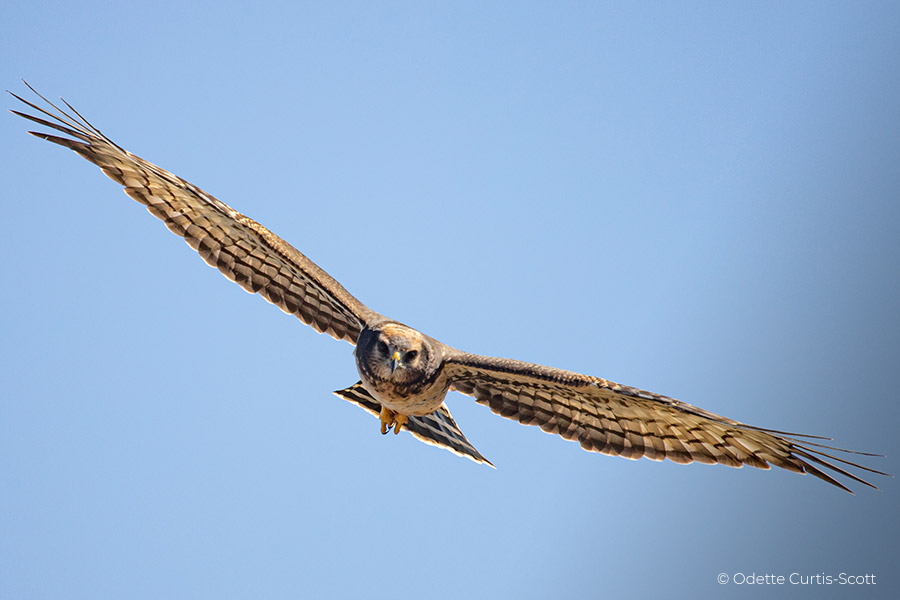
Black Harrier collisions with wind turbines
A third Black Harrier has been killed by the blades of wind turbines, on a wind farm situated between Bredasdorp and Swellendam. The Overberg Renosterveld Conservation Trust (ORCT) is now calling for …